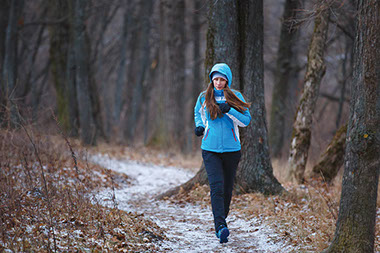
Has cold weather got you hiding under the blankets? Don’t let it turn you into a couch potato. Your body needs exercise year-round to be healthy. And, exercising in the cold can be enjoyable if you know how to prepare for it.
Why cold weather workouts are cool
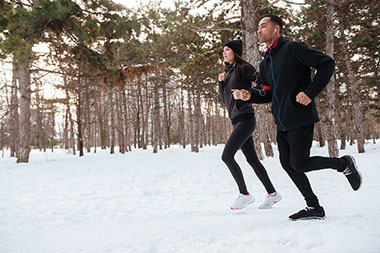
Cold air can be refreshing! Stepping out into a chilly day may help you stay moving. There’s no sweltering heat or sticky humidity to slow you down. If fact, the lack of heat may help you work out a little longer and harder. You could burn even more calories and give your energy levels a boost.
Getting out in the daylight can improve your mood. This can help you get through the long winter with good mental health. Your immune system will thank you, too. Just a few minutes a day of exercise may help you stave off colds and flu.
How to work out when it’s cold
Not sure what you should or shouldn’t do in the winter? Try these activities:
* Brisk walking or hiking
* Ice skating
* Sledding
* Cross-country skiing
* Snowshoeing
Safety first
Staying warm and dry is key during winter workouts. Hypothermia and frostbite are dangerous and are more likely to happen if you’re not properly dressed for the weather. These steps can help you avoid getting dangerously cold:
* Use a moisture-wicking fabric as the first layer against your skin. Never use cotton, as it traps moisture and will make you feel colder.
* The next layer should be a warm material, like fleece.
* The outside layer of clothing should be windproof to keep out moisture and chilly gusts.
Don’t forget to drink plenty of water! Even if you don’t feel hot, your body needs hydration during exercise.
Indoor workouts work, too
If it’s simply too cold, icy or otherwise unsafe to exercise outdoors, you can still get off the couch and get healthier. Indoor workouts include:
* Going up and down stairs
* Dancing
* Vacuuming, mopping or other active housework
* Roller skating
* Yoga
* Workout classes at a local gym or community center
People who have had a heart attack or stroke, or are at risk of either one, should ask their doctor about safe ways to exercise.
Signs of hypothermia
Hypothermia means the body temperature has dropped too low. Seek immediate care and/or go to an emergency room if hypothermia is suspected. Signs to look for include:
* Sudden clumsiness, lack of coordination
* Confusion
* Shivering
* Sleepiness
* Slurred speech
* Very cold feet or hands
Source: American Heart Association