Tag: learning

  • Understanding Dyslexia

    MEDICAL NEWS

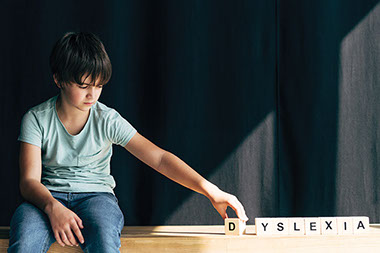
    Boy spelling DYSLEXIA with wood blocks.

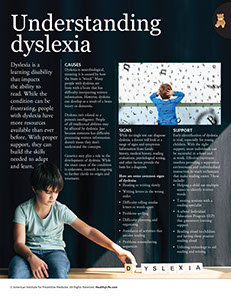
    Dyslexia is a learning disability that impacts the ability to read. While the condition can be frustrating, people with dyslexia have more resources available than ever before. With proper support, they can build the skills needed to adapt and learn.

    Causes

    Dyslexia is neurobiological, meaning it is caused by how the brain is “wired.” Many people with dyslexia are born with a brain that has difficulty interpreting written information. However, dyslexia can develop as a result of a brain injury or dementia.

    Dyslexia isn’t related to a person’s intelligence. People of all intellectual abilities may be affected by dyslexia. Just because someone has difficulty processing written information doesn’t mean they don’t understand the concepts.

    Genetics may play a role in the development of dyslexia. While the exact cause of the condition is unknown, research is ongoing to further clarify its origin and treatment.

    Signs

    While no single test can diagnose dyslexia, a doctor will look at a range of signs and symptoms. Information from family history, medical history, reading evaluations, psychological testing, and other factors provide the basis for a diagnosis.

    Here are some common signs of dyslexia:

    *  Reading or writing slowly

    *  Writing letters in the wrong order

    *  Difficulty telling similar letters or words apart

    *  Problems spelling

    *  Difficulty planning and organizing

    *  Avoidance of activities that involve reading

    *  Problems remembering sequences

    Support

    Early identification of dyslexia is vital, especially for young children. With the right support, most individuals can be successful in school and at work. Effective treatment involves providing a supportive environment and individualized instruction to teach techniques that make reading easier. These include:

    *  Helping a child use multiple senses to identify written words

    *  Tutoring sessions with a reading specialist

    *  A school Individual Education Program (IEP) that guarantees learning support

    *  Reading aloud to children and having them practice reading aloud

    *  Utilizing technology to aid reading and writing
    © American Institute for Preventive Medicine

  • Energy, Learning, And Focus

    Healthylife® Weigh

    Part 5

    Senior couple exercising in gym.

    Improved Energy Levels

    Exercise helps transport oxygen and nutrients to your tissues. When your heart and lungs are working more efficiently, you have more energy to work, do daily chores, keep up with active kids, and have fun.

    Improved Ability to Learn

    Exercise increases production of cells in the brain responsible for memory and learning. Exercise can help with decision-making and higher-level thinking. Exercise also helps increase brain volume and reduce the number and size of age-related holes in the brain. This decreases the risk for dementia and Alzheimer’s.

    Improved Focus

    Exercise that requires hand-eye coordination or quick foot work helps your brain cells grow. These exercises, like tennis or basketball, may improve your concentration skills better than more simple exercises, like riding a stationary bike.

    © American Institute for Preventive Medicine
  • Tips To Help Kids Succeed

    FAMILY LIFE

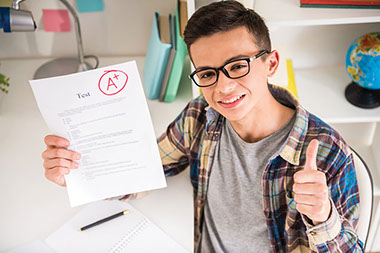
    Image of kid holding an 'A' graded paper with thumbs up.

    Parenting is not an easy job, and it seems there are thousands of ways to do it. With so many parenting books and techniques available, how do you know what works? Sometimes, it helps to go back to the basics. You don’t have to be perfect or read every parenting book on the market.

    Years of research from medical experts says the following parenting tips will help keep your kids healthy and happy:

    *Be loving.Kids need love every day. Tell them you love them and give hugs and kisses.

    *Give them comfort.If a child is scared, help them to feel safe. Take steps to protect them and help them cope with fears.

    *Spend time with them.Set aside time each day to focus on them, and put the phones and devices away during this time. Point out good things they do. Be specific. For example, you might say, “I’m really proud of you for cleaning your room without being asked.”

    *Be a good listener.No matter what the topic, kids will feel valued if you look at them and listen to what they say.

    *Use a routine.Kids like to know what’s coming next. Set times for bed, meals and simple chores to help them feel secure.

    *Forgive mistakes.Help them by saying what they could do next time to avoid the mistake. Don’t criticize them as a person by saying, “you were bad.”

    *Have rules & stick to them.Parents, babysitters and other caregivers should follow the same rules. Don’t change them or let certain people break them. This only creates confusion and can lead to behavior problems.

    Even with the best advice, parents may need help from an expert. This doesn’t mean you’re a bad parent. Sometimes, talking to someone who can help makes a big difference. If you feel you need help with parenting, try the following resources:

    *  Your child’s pediatrician

    *  Your own primary doctor

    *  Local parenting classes at hospitals, schools or community centers

    *  A family counselor or minister

    *  Online support groups

    Don’t be embarrassed to ask for help. It’s a sign that you want to be the best parent you can be, and that’s a good thing!

    © American Institute for Preventive Medicine