Tag: leftovers

  • Help Your Refrigerator Help You

    Healthylife® Weigh

    Part 4
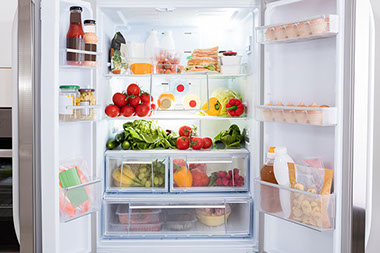
    Refrigerator filled with fresh fruits and vegetables.

    Once foods are right in front of you, it is harder to make a choice based on what your body needs. Instead, you are likely to choose foods based on these factors:

    *  If you can see it

    *  Color

    *  How fresh you think it is

    *  What you think it tastes like

    *  If you’ve thought about the food earlier or the reward you will get from having the food

    Tips for a Weight-Friendly Fridge

    *  Store chopped veggies and fruits on the middle shelf at eye-level. Use clear glass or plastic containers.

    *  Put less-healthy leftovers in the crisper or behind healthier options. Store healthy leftovers in clear containers or with clear plastic wrap.

    *  Avoid washing fruit (especially berries) until you are ready to eat (moisture invites mold).

    *  Wrap cake, pizza, and other less healthy leftovers in aluminum foil or use solid-colored containers.

    *  Use the produce drawer to hide sweets and less-healthy foods.

    *  Put washed grapes or cherry tomatoes in a colander.  Put this on a plate to allow liquid to drain.

    *  Keep hard-boiled eggs, string cheese, grilled turkey burger patties, and non-fat or Greek yogurts in front for easy,  high-protein snacks.

    *  Keep all un-opened sodas and sugar-sweetened drinks out of the fridge. Out of sight, out of mind!

    Plan Your Refrigerator Layout

    Plan where you are going to place healthy foods. Plan, too, where you are going to place less healthy foods. Use specific examples of foods you already have or that you plan to buy.
    © American Institute for Preventive Medicine
  • Freeze Food For Later

    HEALTHY EATING

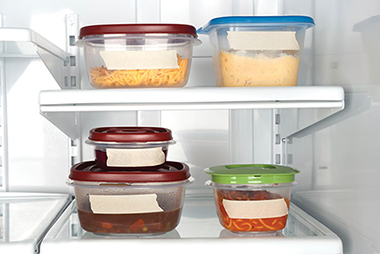
    Image of food in the freezer.

    Make more than you need and freeze foods in portion sizes for future meals. Here’s how according to the University of Nebraska-Lincoln Extension specialists:

    STEP 1.

    Cool foods “slightly” at room temperature before refrigeration. A food does not need to be completely cool before it is refrigerated. To help it cool slightly before refrigeration, place a shallow container of food (no deeper than 2 inches) on a cooling rack to allow air to circulate

    around the pan for about 20 to 30 minutes.

    STEP 2.

    Cool foods to refrigerator temperature before bagging them for your freezer. LOOSELY cover food in the refrigerator. This allows heat to escape and protects the food from accidental contamination from other foods during cooling.

    STEP 3.

    Pack foods into freezer containers or freezer bags. Use “freezer” bags, not “storage” bags, for storing food in the freezer. Freezer bags are thicker than storage bags and will keep the food fresh longer.

    Speed freezing and hasten thawing by freezing foods in a thin, flattened shape in freezer bags. A rounded shape takes longer to thaw through to the middle. Flatter packages also stack better in your freezer.

    To avoid spilling food or getting it stuck in the closure of the freezer bags, use a wide-mouth funnel. Place the freezer bag in a container such as a quart measuring cup. Stand the bag upright if you are filling it with a more liquid-type food. You may wish to double-bag liquids as an added precaution against leakage.

    STEP 4.

    Label foods. To avoid mystery meats and other foods of unknown age, label foods using freezer tape, gummed freezer labels or permanent marking pens/crayons. Include the name of the food, packaging date, number of servings or amount, and helpful hints (sliced, chopped) or special ingredients.

    Place filled freezer bags on a flat surface in your freezer, such as on a metal pan. Do not stack freezer bags until frozen so they will freeze faster. After they are frozen solid, remove the bags from the pan. Store and stack the bags right on the freezer shelf. Or turn them on their edge and store them vertically. This is an especially good idea when freezing liquid foods, such as soups and stews.

    STEP 5.

    Thaw and cook frozen foods. DO NOT thaw perishable foods at room temperature. If these foods are left at room temperature too long, bacteria may grow and produce heat-resistant toxins that can cause food-borne illness. Cooking may not be able to destroy these toxins. It’s best to plan ahead for slow, safe thawing in the refrigerator overnight. Up to 5 pounds of food should thaw in about 24 hours. Or food may be transferred from a freezer bag to a microwave safe container for thawing in the microwave.

    © American Institute for Preventive Medicine

  • Saving Food, Saving Money

    FINANCIAL HEALTH

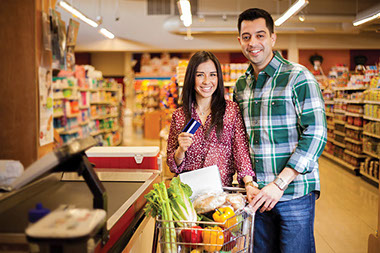
    Image of couple at the grocery store.

    In the U.S., we throw out millions of tons of food each year. Most people have thrown out food that spoiled or was simply never eaten. This harms the environment because it adds up to more waste, and it’s also harmful to your budget. It’s a lot like throwing money in the garbage! In addition, some of that wasted food could have gone to people who don’t have enough to eat.

    Shopping, planning, saving

    The number one way to stop wasting food is to plan meals and shop for only those meals. You’ll need to make a shopping list and stick to it when you go to the store.

    Your list should have ingredients for all your meals, including main dishes, sides, drinks and snacks. Then, buy only what’s on the list. This requires some extra time and planning, but the savings can add up.

    Some people like to shop for the whole week, while others shop for only a few days at a time. This is up to you. No matter how you like to shop, having a list can save you money and cut down on food waste.

    In the end, your budget and the environment will thank you. As an added bonus, you will be eating healthier by planning your meals ahead of time.

    Keep the pantry organized

    Have you ever bought a can of beans, only to find that you already had three at home? Having an organized pantry can help avoid this.

    Try putting your pantry into sections. You may wish to divide up canned foods into categories like fruit, vegetables, beans and other foods. Have another section for pasta, one for rice and so on. Being able to quickly glance at the pantry when you’re making your shopping list can save time and prevent buying duplicates.

    Other tips to prevent food waste

    *  Buying bulk portions can be a big saving – but only if you eat it. Only buy these large portions if you plan to use or freeze it all before it expires.

    *  Eat leftovers! Have a leftover dinner night, rather than cooking another meal. Get creative and use leftovers to make a casserole, soup or sandwiches.

    *  Check your fridge first. Before you go shopping, see what you already have in your fridge. Eat what you have on hand before buying more.

    *  Ask local food banks about their needs. Donate food that you don’t think you will use instead of throwing it away.

    Source: Environmental Protection Agency

    © American Institute for Preventive Medicine
  • What To Do With Holiday Leftovers

    HEALTHY EATING

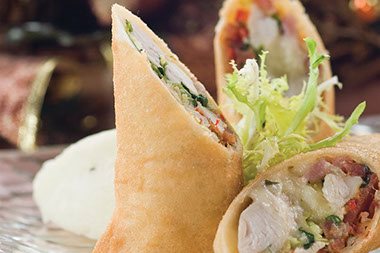
    Image of a turkey wrap.

    Make a game plan for leftovers to avoid overeating, say experts from The University of Texas MD Anderson Cancer Center. You can turn holiday leftovers into new healthy dishes by reusing the following foods:

    White turkey meat

    *  Whip up your favorite chili recipe, but use turkey instead of ground beef.

    *  Wrap turkey, spinach leaves, and 2 tablespoons of cranberry sauce in a whole wheat tortilla.

    Mashed potatoes

    *  Mix in a healthy helping of cooked vegetables for a new twist on this side dish. Try cauliflower, broccoli, green beans, or carrots.

    Sweet potatoes

    *  Make a protein-packed sandwich spread or veggie dip by pureeing one-half cup sweet potatoes with one-half cup chickpeas. Eat only 1 or 2 tablespoons at a time.

    © American Institute for Preventive Medicine