Tag: limit

  • 5 Reasons To Limit Alcohol

    Substance Use & Abuse

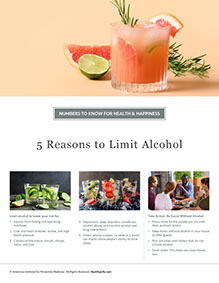
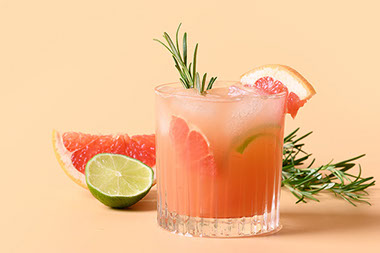
    Cocktail drink with slices of grapefruit and lime.

    Limit alcohol to lower your risk for:

    1.  Injuries from falling and operating machines

    2.  Liver and heart diseases, stroke, and high blood pressure

    3.  Cancers of the breast, mouth, throat, colon, and liver

    4.  Depression, sleep disorders, unsafe sex, alcohol abuse, and harmful alcohol and drug interactions

    5.  Motor vehicle crashes. As little as 2 drinks can impair some people’s ability to drive safely.

    Take Action: Be Social Without Alcohol

    *  Focus more on the people you are with than alcoholic drinks.

    *  Keep drinks without alcohol in your house to offer guests.

    *  Plan activities with others that do not include alcohol.

    *  Drink water. This helps you save money, too.

    Page from HealthyLife Weigh book by the American Institute for Preventive Medicine. www.HealthyLife.com. All rights reserved.

    © American Institute for Preventive Medicine

  • Use Credit Cards Carefully

    Financial Health

    Smart use of credit cards can help you control costs and your credit score.

    Using a credit card is safer than carrying cash, makes it easier to track your expenses, and helps you establish credit. And you need a credit card to make purchases online or by phone. But be careful with credit card use to avoid getting into debt.

    Tips to use credit cards wisely:

    *  Make payments on time to avoid: A late fee; a possible increase in your interest rate; having your credit rating go down. According toCreditCards.com, one payment that’s 30 or more days late could lower your score by 60-100 points.

    *  Keep from opening new credit cards. You may save 10 or more percent on a purchase if you sign up for a credit card, but your credit score could go down 10 points for each new card you open.

    *  Limit the number of credit cards you have. Having too many alerts a lender of how much debt you could accrue. But don’t close unused cards, especially ones you have had a long time. A longer credit history helps you have a higher credit score.

    *  Limit individual store and gas cards. These usually have very high interest rates. Opt for two major credit cards (American Express, Discover, Master Card, or VISA). Look for ones with low interest rates and that best meet your needs.

    *  Control credit card use. To avoid interest, only charge what you can pay in full when you get the bill.

    *  To limit interest costs, make more than the minimum payment. Your credit card statements show you how long it will take to pay off your balances if you make only the minimum payments. Aim to keep the balance to less than 25 percent of the total amount you can charge.

    *  Have one or more regular bills billed directly to a credit card. Examples are your monthly electric, gas, and/or cable bill or your mail order prescriptions.

    *  Do not use credit cards for cash advances. You pay a fee for the service and interest rates are very high (often 25 percent or higher).

    *  Read the fine print. Zero-percent interest for balance transfers and purchases can save you money. But you need to pay off the entire balance on the total amount financed by the due date, such as after 6 to 18 months. If not, you may be charged interest on the amount from the original purchase date – not just on the remaining balance. Check for balance transfer fees, too.

    *  Once a year, check your credit score for accuracy. This is a free service from each of the three nationwide credit bureaus – Equifax, Experian and TransUnion. Do this online athttps://annualcreditreport.comor by phone at 1-877-322-8228.

    Credit Scores

    The most common credit score (FICO) range is from 300-850 (the higher the better). Lenders use your payment history on your debts and bills as one of the biggest factors in your credit report and credit score. You are more likely to get lower interest rates and fees for loans, as well as credit cards if you maintain a good credit score – about 700 is good; above 750 is excellent. Lenders consider you a credit risk if your score is below 600.

    Action Step

    If you are an impulse buyer, leave your credit cards at home when you shop. If you are easily tempted to buy items online or while watching shopping channels, switch to a non-shopping website or  TV show, or to a DVD.

    Ways to Well-Being. Published by the American Institute for Preventive Medicine.

    © American Institute for Preventive Medicine

  • Alcohol & Alcohol Safety

    Student Health

    Before drinking, think about its possible consequences (e.g., academic and health problems, unsafe sex, assault, injury, and even death). These consequences affect the person who drinks as well as other students (whether they choose to drink or not) and the community as a whole.

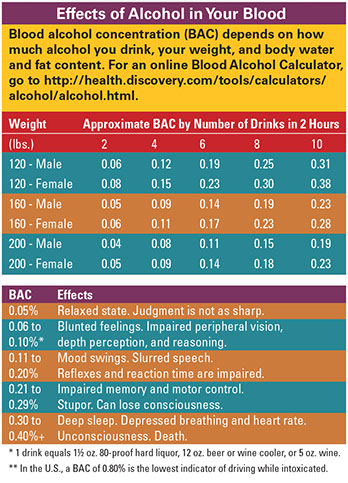
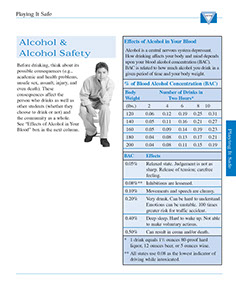
    Chart of effects of alcohol in your blood.

    Alcohol Poisoning

    Call 9-1-1 for one or more of the following signs of alcohol poisoning or combining alcohol and other drugs, such as sedatives or tranquilizers. Act quickly. Alcohol poisoning can be fatal.

    *  Unconsciousness. This means the person is hard to rouse and can’t be made aware of his or her surroundings. This can be brief, such as with fainting or blacking out. It can put a person into a coma.

    *  No breathing or slow and shallow breathing. This means 10 or fewer breaths per minute or time lapses of more than 8 seconds between breaths.

    *  Slow pulse rate (40 or fewer beats per minute).

    *  Skin that is cold, clammy, and/or pale or blue in color.

    {Note: Before emergency care arrives, place the person on his or her side with the knees bent, to prevent choking if he or she vomits. Loosen the person’s clothing around the neck and check the mouth and back of the throat to see that nothing obstructs the person’s breathing. Stay with the person.}

    Alcohol Poisoning

    *  Choose substance-free housing, if available and desired.

    *  Be aware and think about the risks and consequences of drinking, including getting arrested, getting sick, contracting an STI, etc. One incident of alcohol use could cause you to do something you will regret for the rest of your life. Alcohol plays a part in most sexual assaults.

    *  Mixing drinking with driving, drugs, or operating machines can be fatal. Designate a sober driver.

    *  Not everyone drinks. Be with people who drink non-alcoholic beverages or ones that look like “drinks,” such as non-alcoholic beer in a glass.

    *  It is better to get medical help for a person who needs it instead of worrying about getting a friend in trouble.

    *  Drink alcohol only if you want to, and if you do:

    – Know your limit and stick to it or don’t drink any alcohol.

    – Drink slowly. You are apt to drink less. Have one drink during a party. Take fake sips, if necessary. In reality, anything over two drinks does not increase the feeling of pleasure. Drinking too much leads to being unable to enjoy yourself.

    – Eat when you drink. Food helps to slow alcohol absorption.

    – Alternate an alcoholic beverage with a non-alcoholic one. Use non-alcohol or reduced alcohol beverages. Dilute distilled beverages. Use more and more mixer and less and less alcohol. After two drinks, your taste buds are dulled and you won’t be able to notice much difference.

    – Avoid drinking contests and games.

    Resources

    Emergency Medical Service (Call 9-1-1) if you suspect alcohol poisoning or a drug overdose

    Your school’s Student Health Service, Student Counseling Service, or Alcohol and other Drug Program

    Al-Anon/Alateen World Service Office

    888.4AL.ANON (425.2666)

    www.al-anon.org

    Alcoholics Anonymous (AA) World Services

    www.aa.org

    Center for Substance Abuse Treatment (CSAT) National Drug Treatment Referral Routing Service

    800.662.HELP (4357)

    www.findtreatment.samhsa.gov

    Narcotics Anonymous (NA)

    818.773.9999

    www.na.org

    National Institute on Alcohol Abuse & Alcoholism (NIAAA)

    www.niaaa.nih.gov

    www.thecoolspot.gov
    Student Self-Care book by the American Institute for Preventive Medicine. www.HealthyLife.com. All rights reserved.

    © American Institute for Preventive Medicine

  • Fast-Food Restaurants

    Healthylife® Weigh

    Part 3

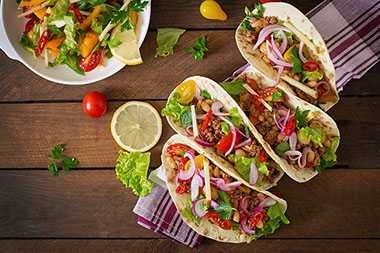
    Mexican tacos with meat, beans and salsa.

    Fast-food restaurants can be very convenient, especially if they have a drive-thru window. Look for the healthier choices on the menu, though they may not be the biggest or most colorfully advertised.

    If you are getting a meal, use the MyPlate guidelines. Choose from at least two food groups, like protein + fruit or protein + vegetable + dairy. Count these toward your goals for the day.

    Tips

    *  Choose grilled options over fried. This reduces saturated fat.

    *  Look for lower-sodium options.

    *  Order the smaller portions on the menu.

    *  Order water instead of 100% fruit juice. Order 100% fruit juice instead of soda.

    *  If you are treating yourself, choose a small portion, like a small ice cream.

    *  Eat half a portion and save the other half for later. Or, split a meal or menu item with a friend.

    Healthier Choices

    *  Regular burger, skip the fries and add a side salad with a vinaigrette dressing

    *  Grilled chicken wrap with apple slices and a side salad

    *  4-piece chicken nuggets, small fries, apples, yogurt

    *  Salad with chicken and a clementine

    *  Chili with a small salad

    *  Baked potato with plain yogurt

    A menu item may be prepared differently at a specific location, which affects nutrition. For example, an extra scoop of cheese or dash of salt can add extra saturated fat or a lot of sodium to a food. Take posted nutrition information with a grain of salt!

    © American Institute for Preventive Medicine

  • Sodium In Packaged Foods

    Healthylife® Weigh

    Part 3

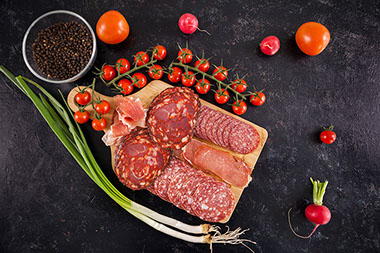
    Deli meat on cutting board with fresh tomatoes and green onions.

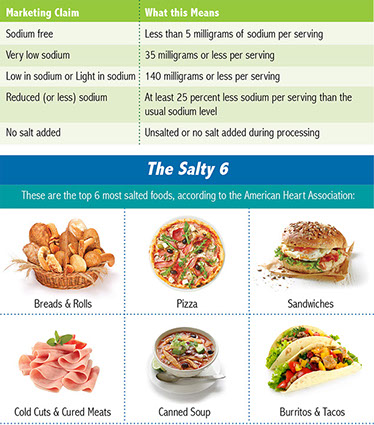
    Many packaged foods have sodium added. Use the food label to compare sodium content between products. Choose options lower in sodium. This chart shows what different sodium-related marketing claims mean.

    Chart of marketing claims and what they mean. And, the salty 6.

    For restaurant items, check the posted nutrition facts or go to the restaurant’s website. Learn more about making healthy choices while eating out and on the go inPart 4of this online guide.

    © American Institute for Preventive Medicine

  • The Buzz About Alcohol

    WELL-BEING

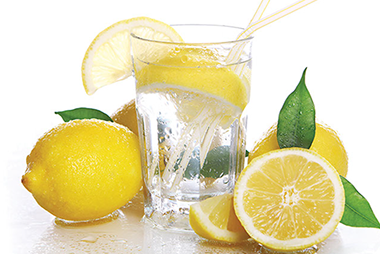
    Image of lemon water.

    Drinking at social events or bars and the ease that a little buzz provides make it hard to limit yourself when friends gather around a pitcher of beer. Dennis Donovan, director of the Alcohol and Drug Abuse Institute at the University of Washington, has advice for how to drink moderately-or not at all.

    *Count your drinks.In many cases, people lose track of how much they’ve had. This is especially true when sharing a pitcher of beer and someone refills the glass.

    *Know a standard serving size.Large wine glasses, higher alcohol content in some beers, and generous liquor pours in mixed drinks make the “I only had one!” claim questionable.

    *One drink, one hour.Most people’s bodies can process about one drink per hour. Pace yourself to one drink an hour or so, and every hour or two you might take a drink “off” and have water or another non-alcoholic beverage instead. Also, make sure to eat.

    *Ginger ale looks like a cocktail.Teetotalers not wanting to attract attention or questions can stick to ginger ale or other non-alcoholic drinks that look like cocktails.

    *Say no.Firmly, confidently turn down drinks and become resistant to social pressure and arm-twisting. Practice saying: “No, I’ve reached my limit” or “I’m not drinking tonight.”

    © American Institute for Preventive Medicine