Tag: limits

  • A Parents Guide To Gaming

    FAMILY LIFE

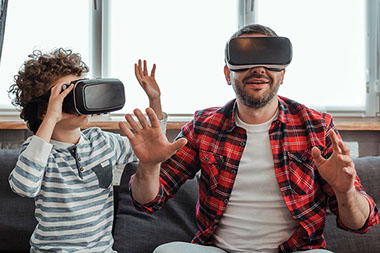
    Father and son playing virtual games.

    Gaming is a popular past-time among this generation of kids. As a parent, here are some things to know to keep gaming safe.

    *  Moderation is key. Set healthy limits on how much video game time you allow your kids.

    *  Know what they’re playing. Some games are better than others. If your kid struggles with mental health, help them find better games.

    *  Prioritize sleep. It’s common for gaming to interfere with healthy sleep habits. Set boundaries that prioritize sleep.

    *  Take breaks. Teach your kids to schedule regular breaks into their gaming time. Stepping away is good for mental health.

    *  Stay connected off-line. Keep your kids grounded in the real world by engaging in screen-free activities together.

    *  Game with your kids. Get involved with your kids’ interests by gaming with them (in moderation!).

    © American Institute for Preventive Medicine

  • Should Kids Have Caffeine

    FAMILY LIFE

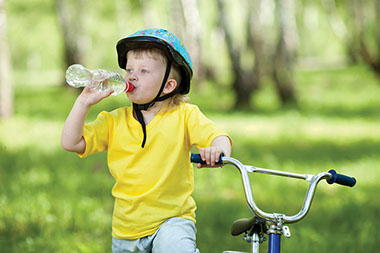
    Image of boy drinking water standing next to his bike.

    Many kids love the sugary sweet taste of soda, sports drinks and energy drinks. And, many of these drinks also contain various amounts of caffeine. Is it okay for your child to consume these drinks?

    No, says the American Academy of Pediatrics (AAP). Because these drinks can actually be harmful, the AAP says children and teens should avoid them. Here’s why:

    *  Caffeine can be harmful to a child’s developing brain and heart, according to the AAP.

    *  Soda contains extra sugar and calories that can lead to weight gain and tooth decay.

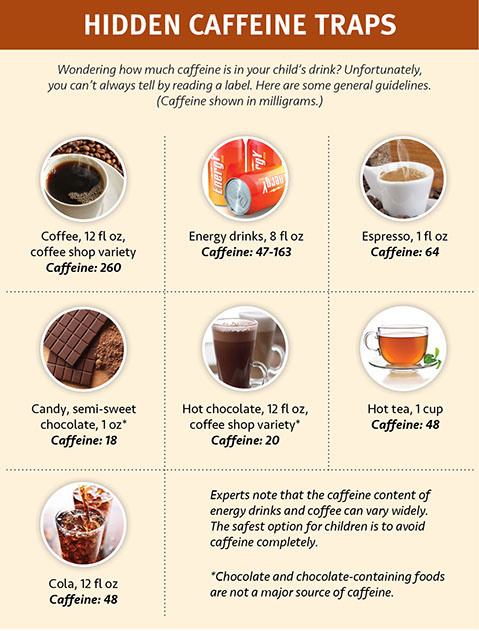
    *  Energy drinks contain caffeine and other stimulants which can be harmful to children. Often, the caffeine content is not listed and can be higher than a cup of coffee.

    *  Water is a better option for kids playing sports. Sports drinks are usually not needed and often contain extra calories. Only children who exercise very hard for long periods may need a sports drink to replenish lost electrolytes, such as sodium and potassium.

    The Academy of Nutrition and Dietetics (AND) agrees. Caffeine can interfere with a child’s sleep. The AND adds that caffeine can lead to a cycle of lack of sleep and consuming more caffeine to get through the day. If your child is low on energy, the AND recommends a short nap or getting to bed earlier at night.

    © American Institute for Preventive Medicine

  • Video Warfare

    FAMILY LIFE

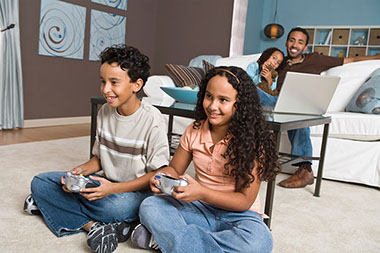
    Image of two kids playing video games.

    Children learn from video games, say Iowa State University psychology professors. So parents may want to shop smart when choosing games for their children. Even if the content is unrealistic or cartoonish, kids learn good behaviors (playing drums) or bad behaviors (aggressive tactics) by practicing.

    Professors Craig Anderson and Doug Gentile-leading experts on the effects of video games on young people and authors of the book Violent Video Game Effects on Children and Adolescents, say, “Parents and researchers initially believed that what mattered most about violent games was how realistic and bloody they were. Our research now suggests that what matters most is whether you have to harm other characters to advance in the game.”

    Follow their advice to parents before making a video game purchase for children:

    *  Play the game, have someone else demonstrate it for you, or look at clips from the game on the game’s website.

    *  Then ask yourself the following questions: Does the game involve some characters trying to harm others? Does this happen frequently, more than once or twice in 30 minutes? Is the harm rewarded in any way? Is the harm portrayed as humorous? Are nonviolent solutions absent or less “fun” than the violent ones? Are realistic consequences of violence absent from the game?

    Two or more yes answers should cause parents to think carefully about the lessons being taught before purchasing that game for children. Some sports and fun music games may be better choices than warfare games.

    © American Institute for Preventive Medicine

  • Wired And Dangerous

    FAMILY LIFE

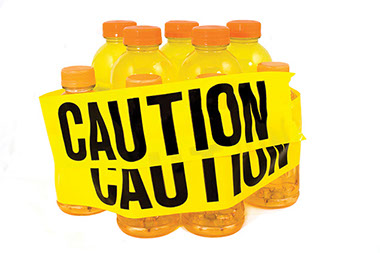
    Image of sport drinks with yellow "Caution" tape wrapped around the bottles.

    Parents beware. If your tots and teens get their hands on your energy drinks, they could experience seizures, heart palpitations, or other problems that drive them to the hospital ER.

    Children most at risk appear to be those who regularly consume the increasingly popular caffeine-laden energy drinks or gulp down a relatively large amount of the liquid in a short span, according to Rutgers University’s poison control experts.

    “These drinks are made for adults. When young children drink them, they consume a large quantity of caffeine for their body mass. At the minimum, they become wired-just as an adult would-and it might be difficult for parents to console them or calm them down,” said Bruce Ruck, director of drug information and professional education for the New Jersey Poison Information & Education System at Rutgers.

    “Children also might have trouble falling asleep or experience tremors, anxiety, agitation, heart palpitations, nausea or vomiting. Of more concern, they may experience a rapid heart rate or seizures,” he said.

    Ruck also said that, in addition to large amounts of caffeine, most energy drinks contain sweeteners, vitamins, and maybe herbal products, some of which may hold hidden risks for certain people.

    *  Don’t let kids be lured by the “rock star” graphics  on the cans that look like soda pop.

    *  Store drinks on a high shelf, away from the view  of kids.

    *  Monitor and limit your teens’ exposure to these drinks. Mixing them with alcohol or a rigorous workout can cause death.

    *  The journal Clinical Toxicology has reported that children under age 6 who consumed caffeine-infused energy drinks accounted for more than half of the energy drink-related poisonings involving children. The American Medical Association is calling for a ban on marketing energy drinks to children under 18.
    © American Institute for Preventive Medicine