Tag: longevity

  • Be Strong At Any Age

    BE FIT

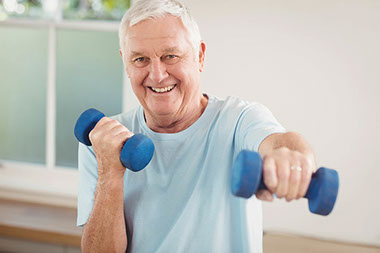
    Older man using weights.

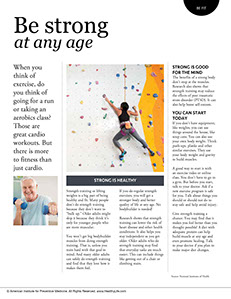
    When you think of exercise, do you think of going for a run or taking an aerobics class? Those are great cardio workouts. But there is more to fitness than just cardio.

    Strong is healthy

    Strength training or lifting weights is a big part of being healthy and fit. Many people don’t do strength training because they don’t want to “bulk up.” Older adults might skip it because they think it’s only for younger people who are more muscular.

    You won’t get big bodybuilder muscles from doing strength training. That is, unless you train hard with that goal in mind. And many older adults can safely do strength training and find that they love how it makes them feel.

    If you do regular strength exercises, you will get a stronger body and better quality of life at any age. No bodybuilder is needed!

    Research shows that strength training can lower the risk of heart disease and other health conditions. It also helps you stay independent as you get older. Older adults who do strength training may find that everyday tasks are much easier. This can include things like getting out of a chair or climbing stairs.

    Strong is good for the mind

    The benefits of a strong body don’t stop at the muscles. Research also shows that strength training may reduce the effects of post traumatic stress disorder (PTSD). It can also help boost self-esteem.

    You can start today

    If you don’t have equipment, like weights, you can use things around the house, like soup cans. You can also use your own body weight. Think push-ups, planks and other similar exercises. They use your body weight and gravity to build muscles.

    A good way to start is with an exercise video or online class. You don’t have to go to a gym. But before you start, talk to your doctor. Ask if a new exercise program is safe for you. Talk about things you should or should not do to stay safe and help avoid injury.

    Give strength training a chance. You may find that it makes you feel better than you thought possible! A diet with adequate protein can help build muscle at any age and even promote healing. Talk to your doctor if you plan to make major diet changes.

    Source: National Institutes of Health
    © American Institute for Preventive Medicine
  • Step Up To A Longer Life

    WELL-BEING

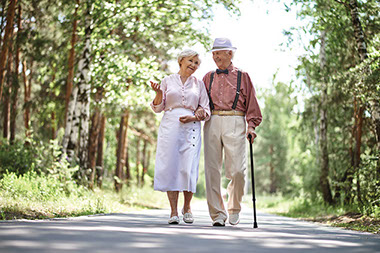
    Elderly couple walking.

    Could something as simple as walking help you live longer? Some recent research says it’s possible. Here’s what to know:

    1.  Researchers had 17,000 older women wear a device each day to count their steps.

    2.  They tracked the women for four years.

    3.  Those who took between 4,400 and 7,500 steps each day were less likely to die during those four years.

    4.  Walking more than 7,500 steps is also good for your health!

    Researchers said this is helpful for people who may think that 10,000 steps is overwhelming. Try to walk 4,400 steps or more each day, and you could see some important health benefits.

    Sources: Journal of the American Medical Association, National Institutes of Health

    © American Institute for Preventive Medicine

  • A Diet For Lifetime Health

    Mature Health: Over Age 50

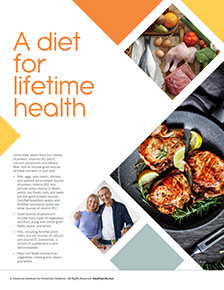
    Image rich in B vitamins.

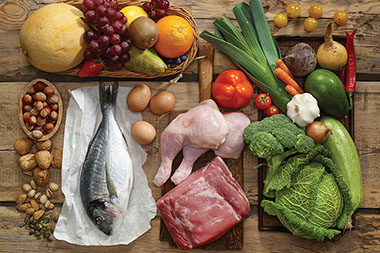
    Studies show that some older adults are deficient in vitamins B6, B12, and folate (a B vitamin). To guard against vitamin deficiencies, plan a diet that includes food sources of these nutrients.

    *  Lean meats, chicken, organ meats and fish, are high in B6.

    *  Milk, eggs, and lean meats are excellent sources of B12.

    *  Asparagus, brussels sprouts, and almost all green, leafy vegetables are high in folate. Other sources are cantaloupe, orange juice, and fortified grain products.

    *  Citrus fruits, tomatoes, cantaloupe, strawberries, green pepper, and broccoli are rich in vitamin C.

    It is also important to get adequate protein and calcium daily. Low-fat dairy products are rich sources of calcium. Two servings a day of 2 to 3 ounces of meat, chicken, or fish provide the protein you need. Other sources of protein include cooked dried beans, peanut butter, milk, and eggs.

    A Year of Health Hints book by the American Institute for Preventive Medicine. www.HealthyLife.com. All rights reserved.

    © American Institute for Preventive Medicine
  • Physical Health

    Healthylife® Weigh

    Part 5

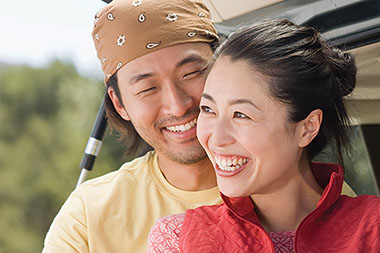
    Male jogger with earphones.

    Stronger Muscles and Bones

    Muscles let you move, lift, and stretch. When you use your muscles, they get stronger so you can do everything from opening a door to smiling, chewing, and talking! Weight-bearing exercises, in particular, help bones become stronger. This helps prevent osteoporosis and fractures.

    Stronger muscles and bones will help you have good posture and keep your joints and body more naturally aligned.

    Improved Cardiovascular Health

    Heart Strength: Exercise strengthens your heart muscle. This means the heart can pump more blood per stroke and doesn’t require as many heartbeats to pump the same amount of blood. This makes your heart more efficient and lessens your risk of having a heart attack or blood clots.

    Cholesterol Levels: Exercise boosts high-density lipoprotein (HDL), or “good,” cholesterol and decreases unhealthy triglycerides. This helps to keep your blood flowing smoothly, decreasing your risk of cardiovascular disease. The more you exercise, the more your cholesterol levels will improve.

    Blood Pressure Control: Hormones that are released during exercise make blood vessels more elastic. This helps lower blood pressure.

    Improved Breathing

    Exercise improves your body’s ability to take in oxygen and transport and use oxygen throughout the body. This helps your muscles get the oxygen they need to be more efficient during exercise. With improved lung function, your ability to exercise longer (stamina) can increase! You’ll also be able to think more clearly throughout the day.

    Improved Immune System

    Exercise improves the circulation of immune cells in your blood that fight off viruses and bacteria. Exercise also helps combat damage done to cells, tissues, and organs.

    © American Institute for Preventive Medicine
  • 8 Commandments For Living Long And Living Well

    WELL-BEING

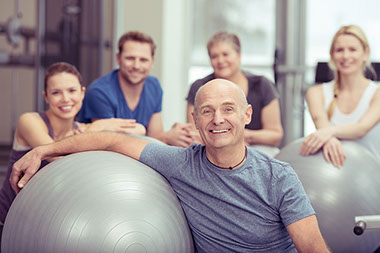
    Image of a group of people with exercise balls.

    You won’t live forever, but you can’t live like there’s no tomorrow, because tomorrow is coming. You can prepare for tomorrow today by making smart lifestyle choices or changing poor health habits-it’s never too late to do that, says Dr. Edward Creagan in his book How Not to Be My Patient: A Physician’s Secrets for Staying Healthy and Surviving Any Diagnosis. Here are Dr. Ed’s eight commandments:

    1. Form stable long-term relationships.

    2. Maintain ideal body weight.

    3. Eat a plant-based diet.

    4. Be active.

    5. No smoking.

    6. Use alcohol in moderation, if at all.

    7. Foster a sense of spirituality and a sense of connectedness to nature or your higher power or force.

    8. Find meaning and purpose in life.

    © American Institute for Preventive Medicine