Tag: lunch

  • How To Make The Most Of Your Lunch Break

    WORK LIFE

    Image of co-workers having lunch.

    It can be tempting to skip your lunch break if you’re swamped. But taking a midday break can renew your energy and productivity through the afternoon and into the evening. Try these tips to make the most of your break:

    *Plan your afternoon.If you’re stressed about work, make a quick list of what you want to accomplish. If there’s too much to do and not enough time, determine which things are top priority and which can wait.

    *Get up from your workspace.A change of scenery can refresh you, even if it’s only for a few minutes. Staying in the same place all day can leave you feeling burned out.

    *Stop thinking about work.Take a few moments, if you can, to take a deep breath and do something you enjoy. That might be listening to a song, a quick walk outside, or having lunch with a friend.

    Lunch break naps: good or bad?

    If you get a 30 or 60 minute lunch break, should you nap during this time? The National Sleep Foundation says you can consider it. Be sure you:

    *  Keep the midday nap to 20 minutes or less.

    *  Keep it early in the day. Late afternoon or early evening naps could make it hard to fall asleep at night.

    If you find that napping interferes with your nighttime sleep, skip it. It’s more important to get good sleep at night.

    © American Institute for Preventive Medicine
  • Packing A Lunch Punch

    HEALTHY EATING

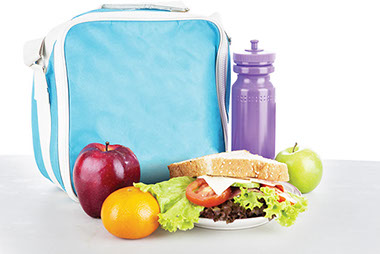
    Image of lunch bag with a water bottle, a sandwich, apples and orange.

    Plan ahead and first wash your hands before packing a school lunch (or your own).

    “Think about the perishability of the foods you’re making,” said Rutgers University professor Don Schaffner, a food scientist and spokesperson for the Institute of Food Technologists. “Perishable foods can remain at room temperature for no more than 2 hours. Properly refrigerated foods can last a long time, but most school children won’t have access to a refrigerator where they can store their lunchbox.”

    The Institute offers some guidance for parents as they pack lunches:

    *  Start each day with a clean box or bag. Insulated, vinyl lunch bags are popular and do better at keeping foods cool than paper bags or metal lunch boxes.

    *  Clean out lunch bags using warm soapy water and allow them to dry completely overnight before packing the next day. This helps deter the growth of bacteria in the bag.

    *  Choose secure packing materials, such as sealable, single-use sandwich bags that can be disposed of when used, or reusable plastic wear that is dishwasher safe.

    *  As much as possible, opt for foods that are not perishable, such as peanut butter and jelly sandwiches. (Follow the school’s policy on peanut butter. It may not be allowed due to peanut allergies.) PBJs will last from the time you prepare it in the morning until lunchtime. Single-serve fruits in prepackaged containers are also great options because they’re less perishable.

    *  Encourage older kids to assemble lunch on their own at school. Pack bread in one container and place fillings like meat or cheese separately with a cold pack. Having kids assemble the sandwich at lunchtime ensures the freshest possible results!

    *  Cold packs are designed to keep foods and drinks cold, not cool them down. If you start with room-temperature ingredients in the morning, it’s unlikely the cold pack will be able to cool them enough by lunchtime. Instead, refrigerate items the night before.

    *  Always use a cold pack when you are packing anything perishable, like cheese and meat slices or fresh-cut fruit with a yogurt-based dip. Place the perishable food right against the cold pack in the bag.

    *  For hot foods like chili, soup, or stew, use an insulated container. Before storing the food, fill the container with boiling water, let it stand for a few minutes, empty it, and then add the hot food.

    © American Institute for Preventive Medicine

  • 4 Tips For Lunchtime Walking

    WORK LIFE

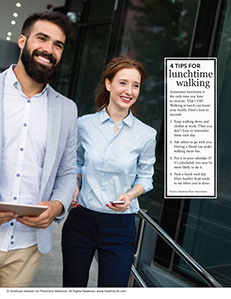
    Coworkers walking outside.

    Sometimes lunchtime is the only time you have to exercise. That’s OK! Walking at lunch can boost your health. Here’s how to succeed:

    1.  Keep walking shoes and clothes at work. Then you don’t have to remember them each day.

    2.  Ask others to go with you. Having a friend can make walking more fun.

    3.  Put it in your calendar. If it’s scheduled, you may be more likely to do it.

    4.  Pack a lunch each day. Have healthy food ready to eat when you’re done.

    Source: American Heart Association

    © American Institute for Preventive Medicine