Tag: maintenance

  • Lawn Mower Safety

    Personal Safety

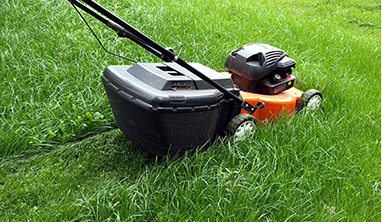
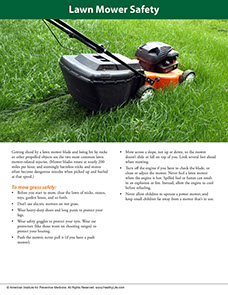
    Image of lawn mower cutting the grass.

    Getting sliced by a lawn mower blade and being hit by rocks or other propelled objects are the two most common lawn mower-related injuries. (Mower blades rotate at nearly 200 miles per hour, and seemingly harmless sticks and stones often become dangerous missiles when picked up and hurled at that speed.) To mow grass safely:

    *  Before you start to mow, clear the lawn of sticks, stones, toys, garden hoses, and so forth.

    *  Don’t use electric mowers on wet grass.

    *  Wear heavy-duty shoes and long pants to protect your legs.

    *  Wear safety goggles to protect your eyes. Wear ear protectors (like those worn on shooting ranges) to protect your hearing.

    *  Push the mower, never pull it (if you have a push mower).

    *  Mow across a slope, not up or down, so the mower doesn’t slide or fall on top of you. Look several feet ahead when mowing.

    *  Turn off the engine if you have to check the blade, or clean or adjust the mower. Never fuel a lawn mower when the engine is hot. Spilled fuel or fumes can result in an explosion or fire. Instead, allow the engine to cool before refueling.

    *  Never allow children to operate a power mower, and keep small children far away from a mower that’s in use.
    A Year of Health Hints book by the American Institute for Preventive Medicine. www.HealthyLife.com. All rights reserved.

    © American Institute for Preventive Medicine
  • Stages Of Change 2

    Healthylife® QuitWell™

    Part 1

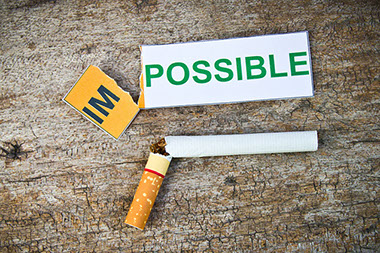
    Broken cigarette with a paper ripped to spell Possible from Impossible.

    This program does not assume you are ready to change. Or, you may be ready to make certain changes but not others. Other changes you may not have even thought of yet! The tools and strategies in this guide are designed to help you move forward through the stages of change.

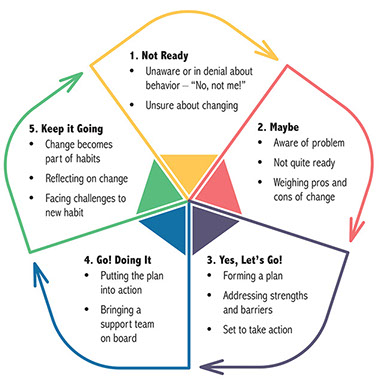
    Using the diagram below, consider which stage you are at. What best describes where you are at today?

    Diagram showing the different stages of quitting.

    © American Institute for Preventive Medicine
  • Look Beyond Your Weight Goal

    Healthylife® Weigh

    Part 7

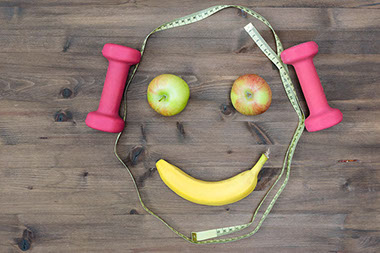
    Apples, measuring tape, dumbbells and banana assembled into a smiling face.

    A healthy lifestyle is not just about the number on the scale. Reflect on what got you motivated to lose weight and got you over hurdles. Strengthen your values by connecting more to the world around you.

    Share your story.Share your struggles, your ideas, and your motivation. Share through your words and actions. You may have inspired someone already. Post to social media or comment on another post. Start a blog about your journey as you continue to learn and manage new challenges.

    Say thank youto those who have helped you along the way and who continue to help you. This may be your healthcare professionals, health coach, coworkers, friends, family, or the stranger who makes your coffee every day. Let people know how much they mean to you. It could be the boost that person needs today.

    Address hunger in your community.Millions of people worldwide struggle with food insecurity. Someone who is food insecure doesn’t know where their next meal is coming from. Many are children. It may be you. Food banks, soup kitchens, homeless shelters, and other community organizations appreciate volunteers or donations. Volunteer to teach a cooking class or lead a grocery store tour. Share your strengths.

    Care for the environment.The global food system depends on a healthy planet. It is also one of the biggest contributors of greenhouse gases and global warming. Choose local, sustainably produced food when possible. In general, the negative environmental impact increases with how far the food traveled, how long it was stored, and how many chemicals were sprayed on it. Buy enough, but not too much, to reduce waste. Use reusable containers for eating and transporting meals and snacks.

    © American Institute for Preventive Medicine
  • Stages Of Change

    Healthylife® Weigh

    Part 1

    Man expressing his success to lose weight.

    This guide does not assume you are ready to change. Or, you may be ready to make certain changes but not others. Other changes you may not have even thought of yet! The tools and strategies in this guide are designed to help you move forward through the stages of change. Using the diagram below, consider which stage you are at.

    1. Not Ready

    *  Unaware or in denial about behavior – “No, not me!”

    *  Unsure about changing

    2. Maybe

    *  Aware of problem

    *  Not quite ready

    *  Weighing pros and cons of change

    3. Yes, Let’s Go!

    *  Forming a plan

    *  Addressing strengths and barriers

    *  Set to take action

    4. Go! Doing It

    *  Putting the plan into action

    *  Bringing champions on board

    5. Keep it Going

    *  Change becomes part of habits

    *  Reflecting on change

    *  Facing challenges to new habit

    © American Institute for Preventive Medicine
  • Garage Door Safety

    WELL-BEING

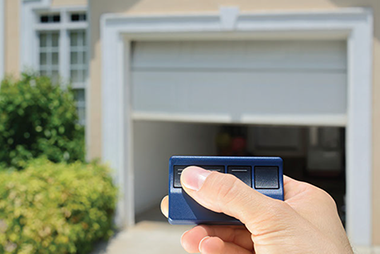
    Image of garage door opener.

    Follow this safety advice from the Overhead Door Corporation:

    *  Keep the garage door opener control button out of the reach of small children. And do not let children play with garage door remote controls.

    *  Never place fingers between door sections. Explain the dangers to children and consider pinch-resistant door panels.

    *  Consult the owner’s manual and learn how to use your garage door’s emergency release feature.

    *  Each month, inspect the springs, cables, rollers and pulleys for signs of wear. Do not try to remove, adjust or repair these parts or anything attached to them. These parts are under high tension and should only be fixed by a trained door technician.

    *  Test the reversing mechanism, monthly, too. Place a 2×4 board or a roll of paper towels in the door’s path. If the door does not reverse after contacting the object, call a qualified professional for repair. If the garage door opener has not been replaced since 1993, get a new one that has safety beams and an auto-reverse as standard features.

    *  Do not leave the garage door partially open. When activated again, it may travel downward and come in contact with an object in its path. This also compromises a home’s security.

    *  Never leave the remote control in the car when given to a parking attendant. A stolen remote leaves you more susceptible to home invasion. Always lock your car when left unattended. Store the remote out of sight.

    © American Institute for Preventive Medicine