Tag: Make a Food Plan

  • Eat Your Greens

    HEALTHY EATING

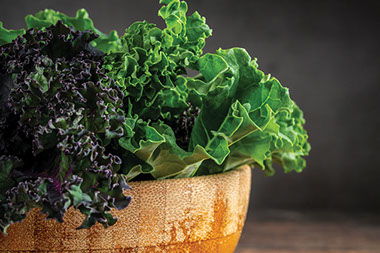
    Variety of greens.

    Spring is fresh greens season. Lettuce, kale, arugula, swiss chard, and spinach are among the first fruits of the garden due to their cold tolerance and rapid growth.

    While they are easy to grow, their delicate leaves and short shelf life mean they won’t last long in your fridge. How you clean and store them will determine whether you get a crisp salad or a bitter bite.

    When properly handled and prepared, spring greens are a healthy source of vitamins A and K, plus calcium, potassium, and a wealth of phytochemicals.

    Here is what you need to know to get the most out of your spring greens:

    Plan to eat the greens within a day or two:

    *  Separate the leaves and soak them in an ice-water bath once you get them home. The ice-cold water will keep them crisp and help prevent nutrient loss.

    *  Pat the leaves dry or spin in a salad spinner to remove excess moisture.

    *  Store clean, dry greens in a sealed container or bag.

    *  Eat within a few days.

    Plan to hold the greens for several days before eating:

    *  Wait to wash them until you are ready to eat them.

    *  Rinse with water, or soak in an ice water bath to refresh the leaves.

    *  Pat dry or spin in a salad spinner to remove excess moisture.

    *  Gently tear leaves into bite-sized pieces and use immediately.
    © American Institute for Preventive Medicine
  • Escape The Holiday Carbohydrate Trap

    HEALTHY EATING

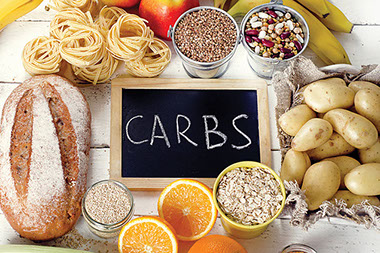
    Small chaulk board with the word CARBS written with a variety of carbs.

    The holidays can feel like one big carbohydrate trap. For people who are watching their carb intake, this time of year can be challenging. Between all the bread, mashed potatoes, and desserts, many people throw up their hands and declare, “I’ll start eating better AFTER the holidays.” But, there is no reason to take an all-or-nothing approach. You can enjoy holiday meals and avoid overdoing it.

    Whether you’re managing diabetes or just trying to eat fewer empty carbs, here are some holiday eating tips:

    *Focus on eating more vegetables.Have the turkey and some of your favorite veggie sides, and hold off on the mashed potatoes or rolls. You might find yourself satisfied, but if not, you can always go back for another serving.

    *Bring a dish you know is low-carb.Make sure it is something you enjoy eating, and that feels festive for the occasion. You’re not depriving yourself; you’re enjoying delicious, low-carb food.

    *Think in advance about what foods are worth the indulgence.Instead of sitting down and throwing caution to the wind, pick one or two of your favorite carbohydrate-rich foods to enjoy. If you really want dessert, try limiting your servings of potato, rolls, stuffing, and macaroni in your main meal.

    *Have a healthy snack in advance.If you show up at the table starving, you’re more likely to be tempted. A handful of nuts or an apple with peanut butter can take the edge off and prevent overeating.

    © American Institute for Preventive Medicine
  • Make Your Food Sustainable

    HEALTHY EATING

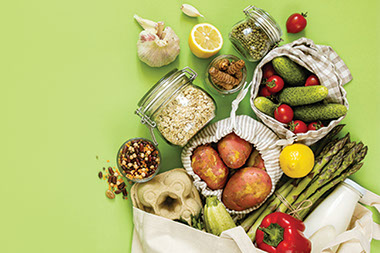
    Variety of food items on green table.

    A sustainable food system is one that provides health and food security both now and in the future.

    Food may be grown, processed, distributed, and prepared in ways that protect, or do not protect, the future ability to produce food. As a consumer, you can make choices that increase the demand for sustainable food.

    Sustainable food systems

    The term food system refers to the elements and activities that relate to the food you eat. This includes agriculture, production, processing, distribution, preparation, and consumption of food.

    A sustainable food system encompasses three pillars:

    *Environmental:A sustainable food system protects natural resources through efficient use of land, water, forest, and fisheries.

    *Economic:A sustainable food system protects and improves livelihoods and requires responsible and efficient governance.

    *Social:A sustainable food system supports the resilience of the community and enhances social well-being.

    Why it matters

    If any aspect of a food system degrades the ability to continue to produce nutritious food, that practice is considered unsustainable.

    For example, some farming techniques may deplete the health of the soil. Over time the soil may be less able to support healthy crops, making the practice unsustainable.

    In addition, a sustainable food system ensures no one goes hungry, now or in future generations.

    What you can do

    Much of the work to make food systems sustainable requires top-down regulation and innovation. However, there are things you can do to support sustainability efforts:

    *  Grow some of your own food.

    *  Purchase from local growers.

    *  Cook at home.

    *  Compost food scraps.

    *  Reduce food waste.

    *  Volunteer with non-profit organizations that are working to fight hunger.

    © American Institute for Preventive Medicine
  • Meet Your Protein Needs

    HEALTHY EATING

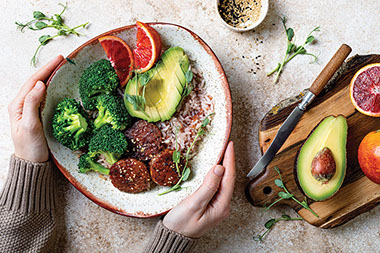
    Hands holding tempeh buddha bowl. Marinated tempeh in marinade with rice, steamed broccoli, avocado.

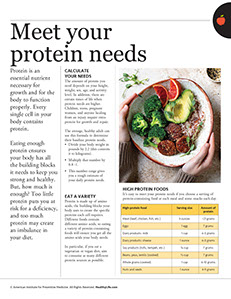
    Protein is an essential nutrient necessary for growth and for the body to function properly. Every single cell in your body contains protein.

    Eating enough protein ensures your body has all the building blocks it needs to keep you strong and healthy. But, how much is enough? Too little protein puts you at risk for a deficiency, and too much protein may create an imbalance in your diet.

    Calculate your needs

    The amount of protein you need depends on your height, weight, sex, age, and activity level. In addition, there are certain times of life when protein needs are higher. Children, teens, pregnant women, and anyone healing from an injury require extra protein for growth and repair.

    The average, healthy adult can use this formula to determine their baseline protein needs.

    *  Divide your body weight in pounds by 2.2 (this converts it to kilograms).

    *  Multiply that number by 0.8 -1.

    *  This number range gives you a rough estimate of your daily protein needs.

    Eat a variety

    Protein is made up of amino acids, the building blocks your body uses to create the specific proteins each cell requires. Different foods contain different amino acids, so eating a variety of protein-containing foods will ensure you get all the amino acids your body needs.

    In particular, if you eat a vegetarian or vegan diet, aim to consume as many different protein sources as possible.

    High protein foods

    It’s easy to meet your protein needs if you choose a serving of protein-containing food at each meal and some snacks each day.

    © American Institute for Preventive Medicine
  • Slow Cooker Tips For Busy Days

    HEALTHY EATING

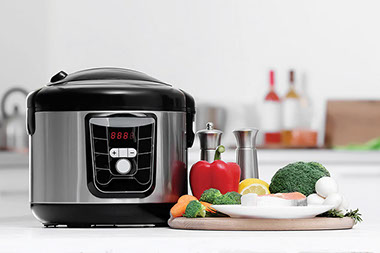
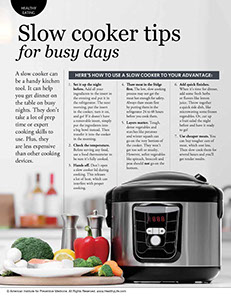
    Slow cooker on counter.

    A slow cooker can be a handy kitchen tool. It can help you get dinner on the table on busy nights. They don’t take a lot of prep time or expert cooking skills to use. Plus, they are less expensive than other cooking devices.

    Here’s how to use a slow cooker to your advantage:

    1.Set it up the night before.Add all your ingredients to the insert in the evening and put it in the refrigerator. The next morning, put the insert in the cooker, turn it on, and go! If it doesn’t have a removable insert, simply put the ingredients into a big bowl instead. Then transfer it into the cooker in the morning.

    2.Check the temperature.Before serving any food, use a food thermometer to be sure it’s fully cooked.

    3.Hands off.Don’t open a slow cooker lid during cooking. This releases a lot of heat, which can interfere with proper cooking.

    4.Thaw meat in the fridge first.The low, slow cooking process may not get the meat hot enough for safety. Always thaw meats first by putting them in the refrigerator 24 to 48 hours before you cook them.

    5.Layers matter.Tough, dense vegetables and starches like potatoes and winter squash can go on the very bottom of the cooker. They won’t get too soft or mushy. However, softer vegetables like spinach, broccoli and peas should not go on the bottom.

    6.Add quick finishes.When it’s time for dinner, add some fresh herbs or flavors like lemon juice. Throw together a quick side dish, like microwaving some frozen vegetables. Or, cut up a fruit salad the night before and have it ready to go!

    7.Use cheaper meats.You can buy tougher cuts of meat, which cost less. Then slow cook them for several hours and you’ll get tender results.

    © American Institute for Preventive Medicine
  • An Easy Guide For Healthy Eating

    Nutrition

    Image of women eating a healthy salad.

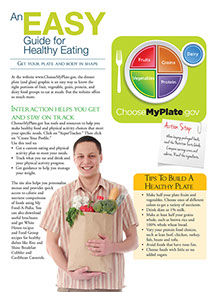
    Get your plate and body in shape.

    At the websitewww.ChooseMyPlate.gov, the dinner plate (and glass) graphic is an easy way to know the right portions of fruit, vegetable, grain, protein, and dairy food groups to eat at meals. But the website offers so much more.

    Interaction Helps You Get and Stay On Track

    ChooseMyPlate.govhas tools and resources to help you make healthy food and physical activity choices that meet your specific needs. Click on “SuperTracker.” Then click on “Create Your Profile.” Use this tool to:

    *  Get a custom eating and physical activity plan to meet your needs.

    *  Track what you eat and drink and your physical activity progress.

    *  Get guidance to help you manage your weight.

    The site also helps you personalize menus and provides quick access to calorie and nutrient comparisons of foods using My Food-A-Pedia. You can also download useful brochures and get White House recipes and Food Group recipes for healthy dishes like Rise and Shine Breakfast Cobbler and Caribbean Casserole.

    Tips to build a healthy plate

    *  Make half your plate fruits and vegetables. Choose ones of different colors to get a variety of nutrients.

    *  Drink skim or 1% milk.

    *  Make at least half your grains whole, such as brown rice and 100% whole wheat bread.

    *  Vary your protein food choices, such as lean beef, chicken, turkey, fish, beans and tofu.

    *  Avoid foods that have trans fats.

    *  Choose foods with little or no added sugars.

    Action Step

    When buying packaged foods, read the Nutrition Facts labels. Compare serving sizes and calories. Read the ingredients.

    Page from Ways to Well-Being book by the American Institute for Preventive Medicine. www.HealthyLife.com. All rights reserved.

    © American Institute for Preventive Medicine
  • Control Your Cholesterol & Triglycerides

    Nutrition

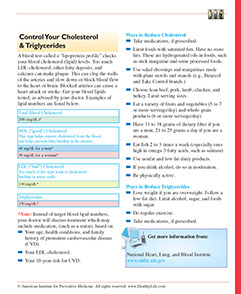
    A blood test called a “lipoprotein profile” checks your blood cholesterol (lipid) levels. Too much LDL-cholesterol, other fatty deposits, and calcium can make plaque. This can clog the walls of the arteries and slow down or block blood flow to the heart or brain. Blocked arteries can cause a heart attack or stroke. Get your blood lipids tested, as advised by your doctor. Examples of lipid numbers are listed below.

    *Note: Instead of target blood lipid numbers, your doctor will discuss treatment which may include medication, (such as a statin), based on:

    *  Your age, health conditions, and family history of premature cardiovascular disease (CVD).

    *  Your LDL-cholesterol.

    *  Your 10-year risk for CVD.

    Ways to Reduce Cholesterol

    *  Take medications, if prescribed.

    *  Limit foods with saturated fats. Have no trans fats. These are hydrogenated oils in foods, such as stick margarine and some processed foods.

    *  Use salad dressings and margarines made with plant sterols and stanols (e.g., Benecol and Take Control brands.)

    *  Choose lean beef, pork, lamb, chicken, and turkey. Limit serving sizes.

    *  Eat a variety of fruits and vegetables (5 to 7 or more servings/day) and whole-grain products (6 or more servings/day).

    *  Have 31 to 38 grams of dietary fiber if you are a man; 21 to 25 grams a day if you are a woman.

    *  Eat fish 2 to 3 times a week (especially ones high in omega-3 fatty acids, such as salmon).

    *  Use nonfat and low-fat dairy products.

    *  If you drink alcohol, do so in moderation.

    *  Be physically active.

    Ways to Reduce Triglycerides

    *  Lose weight if you are overweight. Follow a low-fat diet. Limit alcohol, sugar, and foods with sugar.

    *  Get regular exercise.

    *  Take medications, if prescribed.

    Resources

    National Heart, Lung, and Blood Institute

    www.nhlbi.nih.gov

    Page from Healthier at Home book by the American Institute for Preventive Medicine. www.HealthyLife.com. All rights reserved.

    © American Institute for Preventive Medicine
  • One More Veggie A Day

    Nutrition

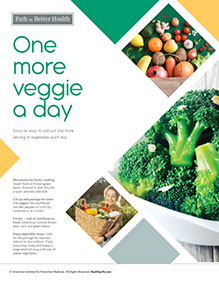
    Women carrying a basket filled with vegetables.

    Focus on ways to add just one more serving of vegetables each day.

    *Microwave for faster cooking:Steam fresh or frozen green beans, broccoli or bok choy for a quick and easy side dish.

    *Cut up and package for later:Use veggies like cauliflower and bell peppers in a stir-fry, casserole or as a snack.

    *Frozen – just as nutritious as fresh:Good buys include frozen peas, corn and green beans.

    *Enjoy vegetable soups:Look on the package for reduced-sodium or low-sodium. If you have time, make and freeze a large batch of soup with lots of added vegetables.

    Page from HealthyLife Weigh book by the American Institute for Preventive Medicine. www.HealthyLife.com. All rights reserved.

    © American Institute for Preventive Medicine
  • Pick Plant-Based

    Nutrition

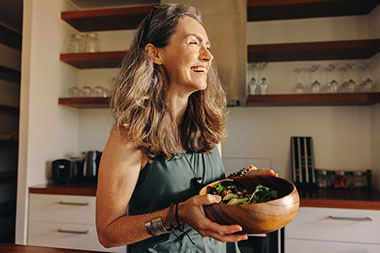
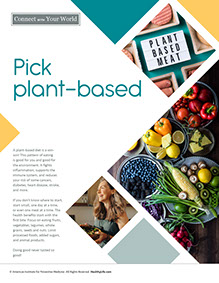
    Women smiling while holding a wooden bowl filled with a salad mix.

    A plant-based diet is a win-win! This pattern of eating is good for you and good for the environment. It fights inflammation, supports the immune system, and reduces your risk of some cancers, diabetes, heart disease, stroke, and more.

    If you don’t know where to start, start small, one day at a time, or even one meal at a time. The health benefits start with the first bite. Focus on eating fruits, vegetables, legumes, whole grains, seeds and nuts. Limit processed foods, added sugars, and animal products.

    Doing good never tasted so good!

    Page from HealthyLife Weigh book by the American Institute for Preventive Medicine. www.HealthyLife.com. All rights reserved.

    © American Institute for Preventive Medicine

  • Strategies For Reducing Fats And Cholesterol

    Nutrition

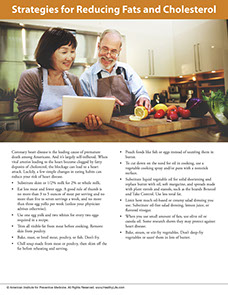
    Image of couple cooking in kitchen.

    Coronary heart disease is the leading cause of premature death among Americans. And it’s largely self-inflicted. When vital arteries leading to the heart become clogged by fatty deposits of cholesterol, the blockage can lead to a heart attack. Luckily, a few simple changes in eating habits can reduce your risk of heart disease.

    *  Substitute skim or 1/2% milk for 2% or whole milk.

    *  Eat less meat and fewer eggs. A good rule of thumb is no more than 3 to 5 ounces of meat per serving and no more than five to seven servings a week, and no more than three egg yolks per week (unless your physician advises otherwise).

    *  Use one egg yolk and two whites for every two eggs required in a recipe.

    *  Trim all visible fat from meat before cooking. Remove skin from poultry.

    *  Bake, roast, or broil meat, poultry, or fish. Don’t fry.

    *  Chill soup made from meat or poultry, then skim off the fat before reheating and serving.

    *  Poach foods like fish or eggs instead of sautéing them in butter.

    *  To cut down on the need for oil in cooking, use a vegetable cooking spray and/or pans with a nonstick surface.

    *  Substitute liquid vegetable oil for solid shortening and replace butter with oil, soft margarine, and spreads made with plant sterols and stanols, such as the brands Benecol and Take Control. Use less total fat.

    *  Limit how much oil-based or creamy salad dressing you use. Substitute oil-free salad dressing, lemon juice, or flavored vinegar.

    *  When you use small amount of fats, use olive oil or canola oil. Some research shows they may protect against heart disease.

    *  Bake, steam, or stir-fry vegetables. Don’t deep-fry vegetables or sauté them in lots of butter.

    Page from A Year of Health Hints book by the American Institute for Preventive Medicine. www.HealthyLife.com. All rights reserved.

    © American Institute for Preventive Medicine