Tag: meal prep

  • Slow Cooker Tips For Busy Days

    HEALTHY EATING

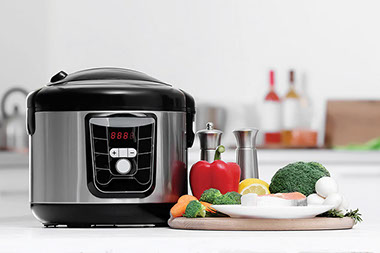
    Slow cooker on counter.

    A slow cooker can be a handy kitchen tool. It can help you get dinner on the table on busy nights. They don’t take a lot of prep time or expert cooking skills to use. Plus, they are less expensive than other cooking devices.

    Here’s how to use a slow cooker to your advantage:

    1.Set it up the night before.Add all your ingredients to the insert in the evening and put it in the refrigerator. The next morning, put the insert in the cooker, turn it on, and go! If it doesn’t have a removable insert, simply put the ingredients into a big bowl instead. Then transfer it into the cooker in the morning.

    2.Check the temperature.Before serving any food, use a food thermometer to be sure it’s fully cooked.

    3.Hands off.Don’t open a slow cooker lid during cooking. This releases a lot of heat, which can interfere with proper cooking.

    4.Thaw meat in the fridge first.The low, slow cooking process may not get the meat hot enough for safety. Always thaw meats first by putting them in the refrigerator 24 to 48 hours before you cook them.

    5.Layers matter.Tough, dense vegetables and starches like potatoes and winter squash can go on the very bottom of the cooker. They won’t get too soft or mushy. However, softer vegetables like spinach, broccoli and peas should not go on the bottom.

    6.Add quick finishes.When it’s time for dinner, add some fresh herbs or flavors like lemon juice. Throw together a quick side dish, like microwaving some frozen vegetables. Or, cut up a fruit salad the night before and have it ready to go!

    7.Use cheaper meats.You can buy tougher cuts of meat, which cost less. Then slow cook them for several hours and you’ll get tender results.
    © American Institute for Preventive Medicine
  • Choosing Healthy Oats

    HEALTHY EATING

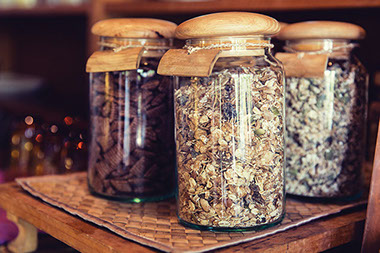
    Image of oats in jars.

    Even healthy foods can be made unhealthy through processing and adding unnecessary sugar and fat. How do you know which oats are best for your family?

    Steel-cut, rolled or instant?

    You can choose any type of oatmeal that is made with whole oats. They all contain very similar nutritional value. Instant oats are precooked and cut thinner to reduce cooking time. Steel-cut oats tend to be chewier than “old fashioned” or rolled oats, but both are equally nutritious. The best type of oat is the one you like and cook regularly.

    Look at ingredients and the nutrition label before you buy.

    Many commercially made oatmeals, especially ones that appeal to children, contain 12 grams of sugar or more. Some also contain artificial colors, sweeteners or flavors. Buy plain instant oatmeal packets and sweeten your child’s portion with a little honey, fruit or jelly.

    © American Institute for Preventive Medicine

  • Freeze Food For Later

    HEALTHY EATING

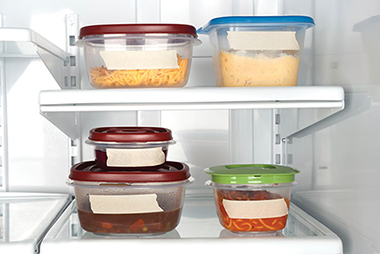
    Image of food in the freezer.

    Make more than you need and freeze foods in portion sizes for future meals. Here’s how according to the University of Nebraska-Lincoln Extension specialists:

    STEP 1.

    Cool foods “slightly” at room temperature before refrigeration. A food does not need to be completely cool before it is refrigerated. To help it cool slightly before refrigeration, place a shallow container of food (no deeper than 2 inches) on a cooling rack to allow air to circulate

    around the pan for about 20 to 30 minutes.

    STEP 2.

    Cool foods to refrigerator temperature before bagging them for your freezer. LOOSELY cover food in the refrigerator. This allows heat to escape and protects the food from accidental contamination from other foods during cooling.

    STEP 3.

    Pack foods into freezer containers or freezer bags. Use “freezer” bags, not “storage” bags, for storing food in the freezer. Freezer bags are thicker than storage bags and will keep the food fresh longer.

    Speed freezing and hasten thawing by freezing foods in a thin, flattened shape in freezer bags. A rounded shape takes longer to thaw through to the middle. Flatter packages also stack better in your freezer.

    To avoid spilling food or getting it stuck in the closure of the freezer bags, use a wide-mouth funnel. Place the freezer bag in a container such as a quart measuring cup. Stand the bag upright if you are filling it with a more liquid-type food. You may wish to double-bag liquids as an added precaution against leakage.

    STEP 4.

    Label foods. To avoid mystery meats and other foods of unknown age, label foods using freezer tape, gummed freezer labels or permanent marking pens/crayons. Include the name of the food, packaging date, number of servings or amount, and helpful hints (sliced, chopped) or special ingredients.

    Place filled freezer bags on a flat surface in your freezer, such as on a metal pan. Do not stack freezer bags until frozen so they will freeze faster. After they are frozen solid, remove the bags from the pan. Store and stack the bags right on the freezer shelf. Or turn them on their edge and store them vertically. This is an especially good idea when freezing liquid foods, such as soups and stews.

    STEP 5.

    Thaw and cook frozen foods. DO NOT thaw perishable foods at room temperature. If these foods are left at room temperature too long, bacteria may grow and produce heat-resistant toxins that can cause food-borne illness. Cooking may not be able to destroy these toxins. It’s best to plan ahead for slow, safe thawing in the refrigerator overnight. Up to 5 pounds of food should thaw in about 24 hours. Or food may be transferred from a freezer bag to a microwave safe container for thawing in the microwave.

    © American Institute for Preventive Medicine
  • Get Your Iron In The Kitchen!

    HEALTHY EATING

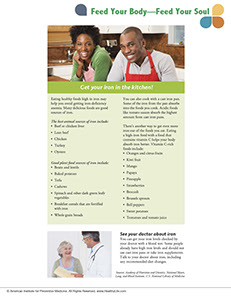
    Image of couple in the kitchen.

    Eating healthy foods high in iron may help you avoid getting iron-deficiency anemia. Many delicious foods are good sources of iron.

    The best animal sources of iron include:

    *  Beef or chicken liver

    *  Lean beef

    *  Chicken

    *  Turkey

    *  Oysters

    Good plant food sources of iron include:

    *  Beans and lentils

    *  Baked potatoes

    *  Tofu

    *  Cashews

    *  Spinach and other dark green leafy vegetables

    *  Breakfast cereals that are fortified with iron

    *  Whole grain breads

    You can also cook with a cast iron pan. Some of the iron from the pan absorbs into the foods you cook. Acidic foods like tomato sauces absorb the highest amount from cast iron pans.

    There’s another way to get even more iron out of the foods you eat. Eating a high-iron food with a food that contains vitamin C helps your body absorb iron better. Vitamin C-rich foods include:

    *  Oranges and citrus fruits

    *  Kiwi fruit

    *  Mango

    *  Papaya

    *  Pineapple

    *  Strawberries

    *  Broccoli

    *  Brussels sprouts

    *  Bell peppers

    *  Sweet potatoes

    *  Tomatoes and tomato juice

    See your doctor about iron

    You can get your iron levels checked by your doctor with a blood test. Some people already have high iron levels and should not use cast iron pans or take iron supplements. Talk to your doctor about iron, including any recommended diet changes.

    Sources: Academy of Nutrition and Dietetics, National Heart, Lung, and Blood Institute, U.S. National Library of Medicine

    © American Institute for Preventive Medicine