Tag: meat

  • Meet Your Protein Needs

    HEALTHY EATING

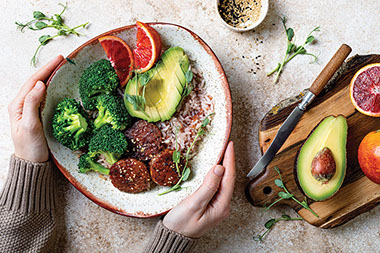
    Hands holding tempeh buddha bowl. Marinated tempeh in marinade with rice, steamed broccoli, avocado.

    Protein is an essential nutrient necessary for growth and for the body to function properly. Every single cell in your body contains protein.

    Eating enough protein ensures your body has all the building blocks it needs to keep you strong and healthy. But, how much is enough? Too little protein puts you at risk for a deficiency, and too much protein may create an imbalance in your diet.

    Calculate your needs

    The amount of protein you need depends on your height, weight, sex, age, and activity level. In addition, there are certain times of life when protein needs are higher. Children, teens, pregnant women, and anyone healing from an injury require extra protein for growth and repair.

    The average, healthy adult can use this formula to determine their baseline protein needs.

    *  Divide your body weight in pounds by 2.2 (this converts it to kilograms).

    *  Multiply that number by 0.8 -1.

    *  This number range gives you a rough estimate of your daily protein needs.

    Eat a variety

    Protein is made up of amino acids, the building blocks your body uses to create the specific proteins each cell requires. Different foods contain different amino acids, so eating a variety of protein-containing foods will ensure you get all the amino acids your body needs.

    In particular, if you eat a vegetarian or vegan diet, aim to consume as many different protein sources as possible.

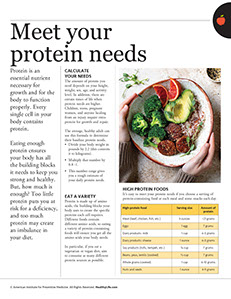
    High protein foods

    It’s easy to meet your protein needs if you choose a serving of protein-containing food at each meal and some snacks each day.

    © American Institute for Preventive Medicine

  • Pick Healthy Proteins

    HEALTHY EATING

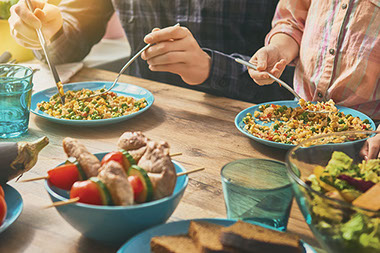
    Close up on dinner table with food and hands with silverware about to eat.

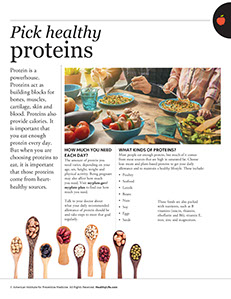
    Protein is a powerhouse. Proteins act as building blocks for bones, muscles, cartilage, skin and blood. Proteins also provide calories. It is important that you eat enough protein every day. But when you are choosing proteins to eat, it is important that those proteins come from heart-healthy sources.

    How Much You Need Each Day?

    The amount of protein you need varies, depending on your age, sex, height, weight and physical activity. Being pregnant may also affect how much you need. Visitmyplate.gov/myplate-planto find out how much you need.

    Talk to your doctor about what your daily recommended allowance of protein should be and take steps to meet that goal regularly.

    What Kinds of Proteins?

    Most people eat enough protein, but much of it comes from meat sources that are high in saturated fat. Choose lean meats and plant-based proteins to get your daily allowance and to maintain a healthy lifestyle. These include:

    *  Poultry

    *  Seafood

    *  Lentils

    *  Beans

    *  Nuts

    *  Soy

    *  Eggs

    *  Seeds

    These foods are also packed with nutrients, such as B vitamins (niacin, thiamin, riboflavin and B6), vitamin E, iron, zinc and magnesium.

    © American Institute for Preventive Medicine

  • Be A Smart Meat Eater

    Nutrition

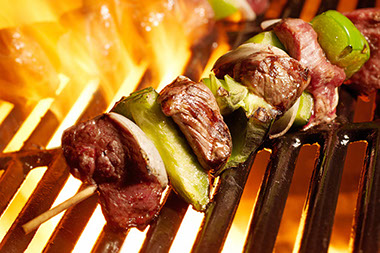
    Image of meat being grilled.

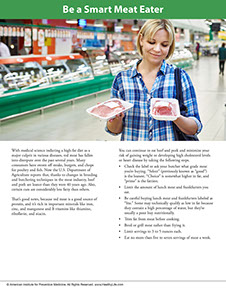
    With medical science indicting a high-fat diet as a major culprit in various diseases, red meat has fallen into disrepute over the past several years. Many consumers have sworn off steaks, burgers, and chops for poultry and fish. Now the U.S. Department of Agriculture reports that, thanks to changes in breeding and butchering techniques in the meat industry, beef and pork are leaner than they were 40 years ago. Also, certain cuts are considerably less fatty than others.

    That’s good news, because red meat is a good source of protein, and it’s rich in important minerals like iron, zinc, and manganese and B vitamins like thiamine, riboflavin, and niacin.

    You can continue to eat beef and pork and minimize your risk of gaining weight or developing high cholesterol levels or heart disease by taking the following steps.

    *  Check the label or ask your butcher what grade meat you’re buying. “Select” (previously known as “good”) is the leanest. “Choice” is somewhat higher in fat, and “prime” is the fattiest.

    *  Limit the amount of lunch meat and frankfurters you eat.

    *  Be careful buying lunch meat and frankfurters labeled as “lite.” Some may technically qualify as low in fat because they contain a high percentage of water, but they’re usually a poor buy nutritionally.

    *  Trim fat from meat before cooking.

    *  Broil or grill meat rather than frying it.

    *  Limit servings to 3 to 5 ounces each.

    *  Eat no more than five to seven servings of meat a week.

    Page from A Year of Health Hints book by the American Institute for Preventive Medicine. www.HealthyLife.com. All rights reserved.

    © American Institute for Preventive Medicine

  • Protein

    Healthylife® Weigh

    Part 2

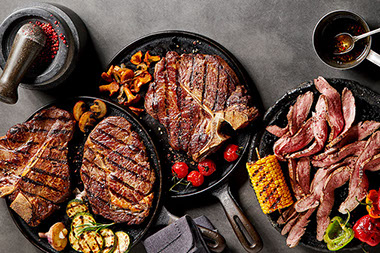
    Cooked meats and vegetables in frying pans with seasoning and garnishes.

    Protein-rich food choices make up one-quarter of MyPlate. Protein helps the body build and repair muscle tissue, fight disease, manage hunger, and perform other essential tasks. The protein group includes seafood, meats, poultry, eggs, nuts, seeds, and soy foods and beverages. Protein provides  4 calories per gram.

    Protein sources can be plant-based or animal-based. Whether you eat meat or not, make some of your choices from plant-based protein sources. Try to include at least one non-meat source of protein every day.

    Plant Protein Power

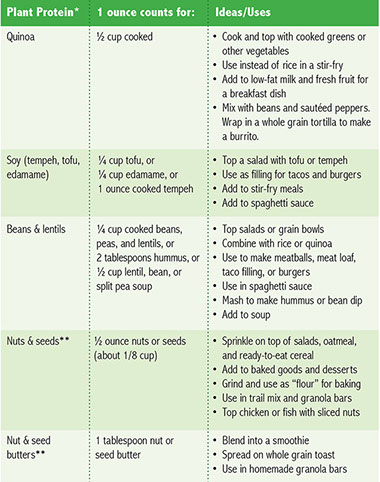
    Some plant foods are high in protein. These foods also contain fiber, vitamins, minerals, plant chemicals (phytochemicals), and other nutrients. Some, like nuts, contain healthy fats, and others, such as tempeh, contain healthy bacteria that promote gut health.

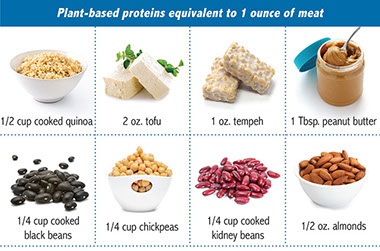
    Chart of plant-based equivalent to 1 ounce of meat.
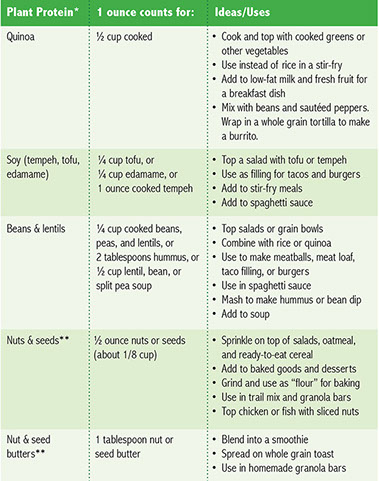
    Chart of plant protein, how much is needed to 1 ounce and ideas.

    * You can get all the protein your body needs by eating a balanced and varied diet of plant foods if you choose not to eat foods that come from animal products.

    ** Choose unsalted or low-salt nuts and no sugar added butters to reduce sodium and added sugars.

    Varieties of Seeds & Nuts

    *  Sunflower seeds

    *  Sesame seeds

    *  Flax seeds

    *  Pumpkin seeds

    *  Peanuts

    *  Cashews

    *  Almonds

    *  Walnuts

    *  Pecans

    *  Pine nuts

    *  Nut or seed butter

    Fun Fact: Peanuts are actually a legume. For planning your meals, consider them a nut. Count peanuts and peanut butter in the protein group.

    Lean Animal Protein

    Use a food scale to weigh animal protein. For deli meat and processed meats (e.g., sausage), use the nutrition facts to determine how many slices or pieces equal one ounce. For thicker cuts of unprocessed meat, estimate by comparing to a deck of cards. A deck of cards is the same size as about 3 ounces of meat. Choose lean animal proteins. Poultry (chicken and turkey) is leaner than red meat (beef) or processed meats (e.g., sausage or bacon).

    Leanest Cuts (Choose More of These)

    *  Fish

    *  Chicken breast

    *  Turkey breast

    *  Ground turkey or chicken breast (90% lean or higher)

    *  Pork tenderloin

    *  Venison (deer meat)

    Medium Fat (Choose Fewer of These)

    *  Dark meat from chicken or turkey (meat from thighs or legs)

    *  Ground beef, 90% lean or leaner

    *  Ground turkey or chicken, less than 90% lean

    *  Beef: chuck shoulder roast, top round, tenderloin, flank steak, or round steak

    Highest Fat (Limit These)

    *  Ground beef (less than 90% lean)

    *  Ribs (beef or pork)

    *  Beef brisket

    *  Sausage

    *  Bacon

    *  Bologna, pepperoni, salami

    *  Spam

    *  Hot dogs

    Lean Cooking Tips for Animal Protein

    *  Remove the skin from chicken to reduce fat. Trim visible fats from meat before cooking.

    *  Use liquid fats in cooking (canola or olive oil) instead of solid fats (butter or shortening).

    *  Poach chicken or fish in water, stock, or white wine. When roasting or broiling, place meat on a rack in a pan so that the fat drips off the meat.

    *  Place fish or chicken on foil or parchment paper. Add fresh herbs, lemon juice, and tomatoes; fold up and bake. This will help seal in flavors and juices.

    *  Tenderize leaner cuts of meat by pounding, marinating, or cooking in a pressure cooker.

    Deep frying is not a lean-cooking technique. Limit deep fried foods.

    Eggs

    One ounce counts as: 1 egg

    Eggs are a great source of protein. Eat the whole egg (including the yolk) to get many important nutrients. These include:

    *  Choline, which promotes normal cell activity and liver function

    *  Lutein and zeaxanthin, which help maintain eye health

    *  B vitamins that help with energy production in the body

    Eating just the egg white also provides protein. However, you will miss out on many important nutrients found in the yolk.

    Ideas for Adding Eggs to Your Meals and Snacks:

    Eggs can be quickly prepared on the stove or in the microwave. Add a pinch of pepper for a flavorful, on-the-go meal or snack. Eggs can be added to many dishes:

    *  Stir-fry

    *  Burritos

    *  Chili

    *  Tacos

    *  Burgers (as a topping or in place of meat)

    *  Eggs provide a filling base for vegetables. Scramble, poach, or pan-fry an egg with cooking spray. Add peppers, onions, spinach, mushrooms, tomatoes, or other colorful vegetables.

    Microwave Scrambled Eggs:Add 1 tablespoon milk per egg and whisk in a microwave-safe bowl. Microwave on high for 1 minute. Stir and cook for 1 more minute (or until done).

    Oaty Eggs Florentine:Coat a small pan with cooking spray and fry one egg. Add the cooked egg to cooked oatmeal and stir in spinach and cheese.

    Blueberry Mug Cake:Mix 1 egg with 3 teaspoons oatmeal, 10 blueberries, and a small mashed banana in a microwave safe mug. Mix in 2-3 drops vanilla extract. Microwave on high for 3 minutes. Top with low-fat yogurt.

    Fish & Seafood

    Fish and seafood are lean protein sources. Add a variety of the following choices into your weekly meal plan. If you eat animal protein, include fish at least once a week*.

    Types of Fish:Tuna, salmon, snapper, cod, flounder, haddock, halibut, perch, pollock, trout, tilapia

    Types of Seafood:Clams, lobster, oysters, scallops, shrimp, sardines, herring

    Tips for Choosing Fish:

    *  Fresh: Keep refrigerated until ready to cook. Prepare within a few days or freeze.

    *  Frozen: Thaw in the refrigerator overnight before cooking.

    *  Canned: Choose canned tuna or salmon packed in water. Drain before using. Canned fish usually costs less than fresh or frozen fish.

    *  Pouch: Choose ready-to-eat tuna that is packed in water. Get packets that don’t include mayonnaise. If needed, add a teaspoon of olive oil for moisture.

    Omega-3 Fatty Acids

    Omega-3 fatty acids are an essential fat. This means the body needs to get that type of fat from food. Omega 3-fatty acids help:

    *  Keep cells healthy, including brain cells responsible for memory

    *  Regulate blood clotting and contraction and relaxation of arteries

    *  Reduce inflammation

    *  Regulate genetic function

    Fish sources of omega-3 fatty acids:Salmon, anchovies, albacore tuna, mackerel, lake trout, halibut, sardines, oysters, and herring

    Plant-based sources of omega-3 fatty acids:Walnuts, ground flaxseeds (and oil), canola oil, soybean oil

    *  If you are planning to become pregnant or have young children, you are more sensitive to higher mercury levels found in some fish. Visitwww.epa.gov/fish-tech/epa-fda-advice-about-eating-fish-and-shellfishfor more information.
    © American Institute for Preventive Medicine

  • Protein 2

    Healthylife® Weigh

    Menus & Recipes

    Cooked meats and vegetables in frying pans with seasoning and garnishes.

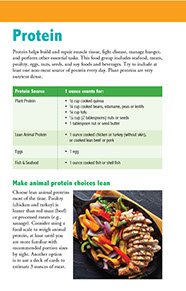
    Protein helps build and repair muscle tissue, fight disease, manage hunger, and perform other essential tasks. This food group includes seafood, meats, poultry, eggs, nuts, seeds, and soy foods and beverages. Try to include at least one non-meat source of protein every day. Plant proteins are very nutrient dense.

    Chart of plant-based equivalent to 1 ounce of meat.
    Chart of plant protein, how much is needed to 1 ounce and ideas.

    * These complete proteins contain all 9 essential amino acids. Other plant proteins contain some, but not all, of these protein building blocks. Consume a variety of sources to form a “team” of complete proteins.

    ** Choose unsalted nuts and no-sugar added butters to reduce sodium and added sugars.

    Make animal protein choices lean

    Choose lean animal proteins most of the time. Poultry (chicken and turkey) is leaner than red meat (beef) or processed meats (e.g., sausage). Consider using a food scale to weigh animal protein, at least until you are more familiar with recommended portion sizes by sight. Another option is to use a deck of cards to estimate 3 ounces of meat.

    © American Institute for Preventive Medicine

  • Grill Master

    HEALTHY EATING

    Close up image of a person grilling.

    Charring, burning, or grilling meat, poultry, and fish over high temperatures causes heterocyclic amines (HCAs) to form. These HCAs can damage your genes and raise your risk for stomach and colorectal cancers, says The University of Texas MD Anderson Cancer Center. You can avoid HCAs:

    *  Use a marinade. Marinating meat in vinegar, lemon juice, and herbs such as mint, rosemary, tarragon, or sage can reduce HCA formation by as much as 96%. Just 30 minutes can help.

    *  Stick with fish. Fish contains less fat and cooks faster than meat and poultry.

    *  Lightly oil the grill. This keeps charred materials from sticking to your food.

    *  Pre-cook food. Cook meat, poultry, or fish in the microwave or oven for 2 to 5 minutes, then finish them on the grill.

    *  Lower the temperature. For a charcoal grill, spread the coals thinly or prop the grill rack on bricks. This reduces the heat by increasing the distance between your food and the coals. And use barbecue briquettes and hardwood products, such as hickory and maple. They burn at lower temperatures than softwood (pine) chips.

    *  Scrub the grill. Cleaning the grill after each use prevents harmful chemicals from building up and transferring to your food.

    © American Institute for Preventive Medicine