Tag: medication

  • Over-The-Counter Drugs: Reducing The Risks Of Self-Prescribing

    Medication

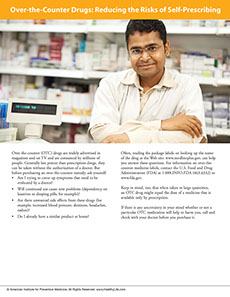
    Image of male pharmacist.

    Over-the-counter (OTC) drugs are widely advertised in magazines and on TV and are consumed by millions of people. Generally less potent than prescription drugs, they can be taken without the authorization of a doctor. But before purchasing an over-the-counter remedy, ask yourself:

    *  Am I trying to cover up symptoms that need to be evaluated by a doctor?

    *  Will continued use cause new problems (dependency on laxatives or sleeping pills, for example)?

    *  Are there unwanted side effects from these drugs (for example, increased blood pressure, dizziness, headaches, rashes)?

    *  Do I already have a similar product at home?

    Often, reading the package labels-or looking up the name of the drug at the Web site:www.medlineplus.gov, can help you answer these questions. For information on over-the-counter medicine labels, contact the U.S. Food and Drug Administration (FDA) at 1.888.INFO.FDA (463.6332) orwww.fda.gov.

    Keep in mind, too, that when taken in large quantities, an OTC drug might equal the dose of a medicine that is available only by prescription.

    If there is any uncertainty in your mind whether or not a particular OTC medication will help or harm you, call and check with your doctor before you purchase it.
    Page from A Year of Health Hints book by the American Institute for Preventive Medicine. www.HealthyLife.com. All rights reserved.

    © American Institute for Preventive Medicine

  • 6 Things To Know Before Taking Any Medicines

    SELF-CARE CORNER

    Image of women reading medication information.

    The Centers for Disease Control and Prevention (CDC) says that adverse drug events (ADEs) are a serious public health problem. An ADE is when an injury occurs after taking medicine. With 82 percent of Americans taking at least one medication, ADEs could happen to almost anyone.

    ADEs can be serious, and even deadly. They may include:

    *  Side effects from a medicine

    *  Interactions with other medicines or supplements

    *  Allergic reactions to a medicine

    *  Overdoses

    *  Taking the wrong dose or type of medicine

    You can avoid ADEs with a few simple steps. Do these things today to keep yourself and loved ones safe:

    1.Be aware of any interactions before you take a medicine.Some medicines should not be taken with certain foods, such as grapefruit or grapefruit juice. Others can cause side effects if taken with certain herbs and supplements. Because of possible interactions, be sure your doctor knows everything you take, including natural supplements, vitamins and herbs. If you’re caring for an aging family member, keep track of all their medications and show the list to their doctors during appointments. If you see more than one doctor, make sure all your doctors know which medications you take.

    2.Keep them secure, out of reach from others.Something that’s safe for you to take could be dangerous – or even deadly – to a child or pet. Keep all medicines out of reach of kids and pets, preferably with child-proof packaging.

    3.Take only the dose you are prescribed.If you feel your medication isn’t working, talk to your doctor about options. Taking a higher dose than what’s prescribed or mixing it with other medications can lead to serious side effects or overdoses.

    4.Don’t share your medicines.It can be dangerous to give someone a prescription drug that wasn’t prescribed to them. Even over-the-counter medicines should be used with caution, especially if a person has health conditions or is taking other medicines.

    5.Keep medicines in their original bottles.Putting medicines in other containers could lead to someone accidentally taking the wrong medicine. It also makes it more difficult to keep track of what you’re taking.

    6.Dispose of expired or unneeded medicines correctly.Using a drug “take-back” program is a safe option. If you must throw them away, don’t flush them. Put them in the household trash with kitty litter or coffee grounds. For complete information on medicine disposal, visit the FDA website atwww.fda.gov.

    © American Institute for Preventive Medicine

  • Pack A Travel First Aid Kit

    WELL-BEING

    Illustration of an airplane and first aid kid.

    Traveling? Make a little room in your luggage for a travel first aid kit. It won’t cost much or take up much space. Once you reach your destination, you won’t need to reach any further than your suitcase to relieve those minor aches and pains that can put a major damper on your plans.

    A basic travel first aid kit should include a handful of over-the-counter remedies you can buy just about anywhere, said Caroline Sullivan, DNP, assistant professor at Columbia University School of Nursing.

    Here’s what should go in the kit:

    *  Tylenol or Advil to ease a headache or fever

    *  Cortisone 10 cream to soothe an itchy, swollen insect bite

    *  Antibiotic ointment like Neosporin or Bacitracin to prevent infection from minor cuts, scrapes, and burns

    *  Band-Aids to cover up blisters, or for those minor cuts and scrapes

    *  Pepto-Bismol tablets to relieve diarrhea, upset stomach, heartburn, indigestion, and nausea after too much food and drink. Note: This is for adults only. Pepto-Bismol has salicylates which have been linked to Reye’s syndrome.

    *  Benadryl to relieve allergies, and also to help you sleep

    *  Hand sanitizer that contains at least 60% alcohol

    *  Tissues to sneeze, dab cuts, and clean hands in a pinch

    *  Pack your prescription medicines in their original bottles in your carry-on bag.

    © American Institute for Preventive Medicine

  • The Grapefruit Effect

    MEDICAL NEWS

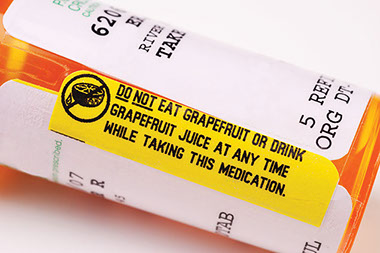
    Image of pill bottle with warning about grapefruit.

    Grapefruit can interact with your drugs. And your doctor may not be aware of it. An article in the Canadian Medical Association Journal points out that drug interactions with grapefruit were noted more than 20 years ago.

    Recently, more and more commonly prescribed newer drugs are found to interact with grapefruit (the fruit and the juice) and can cause serious side effects. Problems can occur even if the grapefruit is eaten hours before taking certain medications.

    Adverse effects include sudden death, acute kidney failure, respiratory failure, gastrointestinal bleeding, bone marrow suppression in ill people, and other serious side effects.

    There are more than 85 drugs that may interact with grapefruit, and 43 can have serious side effects. Other citrus fruits such as Seville oranges, often used in marmalade, limes and pomelos also contain the active ingredients (furanocoumarins) that interact with grapefruit.

    The best advice is to discuss all your medications with your doctor and pharmacist and ask about interactions with grapefruit.

    © American Institute for Preventive Medicine

  • Allergies Annoying You?

    SELF-CARE CORNER

    Women outside blowing her nose.

    A runny nose, sneezing, itchy eyes… allergy symptoms can be miserable and common. More than 50 million Americans have allergies.

    People can get allergies at different times of the year. This is because different allergy triggers come and go as the seasons change:

    *  If you have allergies in the spring, you may be allergic to tree pollen.

    *  People who notice allergy symptoms in the summer are usually allergic to grass or weed pollen.

    *  Those who notice their allergies getting worse in late summer to fall are probably reacting to ragweed pollen.

    *  Allergy symptoms related to wet, rainy weather are often due to mold.

    *  If you have allergies year-round, you may be allergic to something indoors like dust mites or pet dander.

    What does allergy medicine do?

    There are many medicines available today that treat allergies. Each one works in a different way and can help people with different types of allergies. With the help of your doctor, you can find a solution that helps control your allergy symptoms. This can include:

    *  Antihistamines. They stop histamine, which is a chemical that the body releases when it is exposed to an allergen. These can help tackle all types of allergy symptoms, from runny nose to itching. Some antihistamines are pills, and others are nose sprays.

    *  Nasal (nose) sprays. Some allergy nose sprays contain an antihistamine ingredient. Others may contain a steroid to help stop swelling and inflammation, which causes a runny nose and sneezing. Nose sprays can help shut down the allergic reaction that starts in the nose.

    *  Eye drops. Eye drops for allergies are helpful for people who notice itchy or watery eyes. They don’t usually help with sneezing or other allergy symptoms.

    *  Immunotherapy. Includes allergy shots or small tablets placed under the tongue. These treatments expose the body to a small amount of the allergen over time. Your healthcare provider will have to give these to you.

    With all the treatments available today, you don’t have to live with miserable allergy symptoms. But talk with your healthcare provider before you try any new medicines.

    Sources: American Academy of Family Physicians, Asthma and Allergy Foundation of America

    © American Institute for Preventive Medicine