Tag: mediterranean

  • Mediterranean Diet: Should You Try It?

    HEALTHY EATING

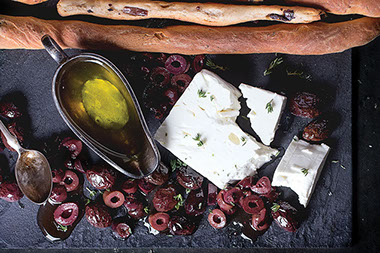
    Olive oil, black oils, bread and cheese.

    You may have heard about the Mediterranean diet and how some people believe it can make you healthy. But, what is this diet, and is it right for you?

    The Mediterranean diet isn’t a special diet plan or product. Instead, it describes the typical diet of people who live near the Mediterranean Sea. In this region, many people eat a diet that focuses on:

    *  Plenty of vegetables and fruits

    *  Moderate amounts of dairy, fish and poultry

    *  Whole-grain bread and cereals

    *  Beans and lentils

    *  Nuts and seeds

    *  Olive oil

    *  Wine (low to moderate amounts)

    *  Very little red meat and sugary desserts

    *  Fresh, mostly unprocessed foods

    When followed properly, the Mediterranean diet is similar to the diet recommended by the American Heart Association (AHA). But, the Mediterranean diet tends to be higher in fat than the AHA recommendations. The AHA believes that this higher amount of fat may be leading to obesity in Mediterranean countries.

    Fat’s not all bad

    The AHA says that the type of fat in the Mediterranean diet is healthier than the typical American diet. This is because the American diet often includes eating too much saturated fat, particularly from red meat. The Mediterranean diet uses healthier unsaturated fats from olive oil and fish. These unsaturated fats are better for the heart because they don’t raise unhealthy blood cholesterol levels.

    But, this doesn’t mean you should eat high amounts of any kind of fat. The AHA still recommends that even the healthy unsaturated fats should be eaten in moderate amounts. Saturated fat should be limited to six percent of a person’s total calories each day. Saturated fat is found in meat and dairy products, as well as coconut oil.

    Fat has nine calories per gram, which means it packs more calories than carbs and protein. So, consuming too much of it could still lead to unwanted weight gain – even if it’s the healthy kind of fat.

    Are Mediterranean people healthier?

    This begs the question: does the Mediterranean diet make you healthier? Mediterranean countries have lower rates of heart disease than the U.S. But, this may not be due to diet alone. Their exercise habits and other factors could also play a role.

    What’s the verdict on this diet?

    The bottom line: No large studies have shown that the Mediterranean diet is a magic fix for better health. But, it’s a good idea to eat more vegetables, fruits, and whole grains and less red meat. Always ask a doctor before changing your diet, especially if you have any health conditions.
    © American Institute for Preventive Medicine
  • Other Eating Patterns

    Healthylife® Weigh

    Part 7

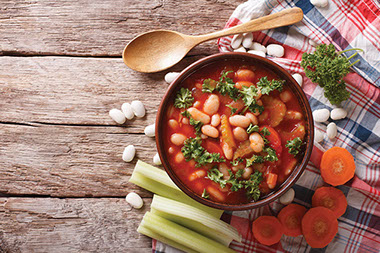
    Homemade bean soup.

    Vegetarian

    Vegetarian diets are plant-based eating patterns. There are variations of the vegetarian diet:

    *  Vegan: includes only foods from plants (e.g., vegetables, fruits, legumes, grains, seeds, and nuts). No foods from animal sources are included.

    *  Lacto-vegetarian: includes plant foods plus cheese and other dairy products.

    *  Lacto-ovo-vegetarian: includes plant foods, cheese, other dairy products, and eggs.

    Vegetarian diets are usually low in saturated fat because animal proteins, a source of saturated fat, are limited or eliminated. Eating a plant-based diet can lower your risk of obesity, coronary heart disease, high blood pressure, type 2 diabetes, and some forms of cancer.

    The healthy eating patterns in this guide encourage you to make most of your food choices from plants. If you follow a vegetarian diet, you don’t need to make many changes to the guidelines in this guide.

    Choose a variety of foods to obtain necessary nutrients. Choose plant-based protein sources. If consuming some animal-based protein sources, choose eggs, seafood, and low-fat dairy.

    Vegetarians are at higher risk for some vitamin and mineral deficiencies. You can obtain these nutrients by eating a variety of plant foods.

    *  Iron can be found in pumpkin seeds, dried beans, legumes, lentils, spinach, whole grains, and enriched products.

    *  Vitamin B12 can be found in fortified breakfast cereals, fortified soy beverages, and some brands of nutritional yeast.

    *  Vitamin D can be found in some mushrooms and pasture-raised eggs. It can also be obtained by spending time in sunlight for at least 15 minutes each day with your arms exposed.

    *  Zinc can be found in whole grains, quinoa, pumpkin seeds, chia seeds, pecans, walnuts, legumes, and shellfish.

    *  Calcium can be found in green leafy vegetables (e.g., spinach, kale), nuts, broccoli, legumes, soybean products, and fortified foods.

    If you are concerned about meeting nutrient requirements, have a dietitian take a closer look at your diet. You may need to take a supplement if you are struggling to meet nutritional requirements from food alone.

    Paleo Diet

    The paleo diet, created by Dr. Loren Cordein, is described as a “caveman” diet that our Paleolithic ancestors would have followed. This is a controversial claim and diet. However, following a paleo diet can point you in the direction of choosing some healthy foods. This diet includes grass-fed meats, fish/seafood, fresh fruits and vegetables, eggs, nuts, seeds, and healthy oils. These are all nutritious foods that fit into MyPlate.

    The diet excludes processed foods, refined sugar, salt, and refined vegetable oils (this guide also suggests you limit them). However, the paleo diet also excludes cereal grains, legumes, dairy, and potatoes. These foods are healthy choices and are included in a healthy eating plan.

    The paleo diet may be high in saturated fats and protein, which may increase risk for heart disease, kidney disease and some cancers if consumed for long periods of time. More research on the paleo diet’s long-term effects is needed. A paleo-themed cookbook or blog may give you ideas for preparing vegetables in different ways or using less sugar. However, avoid strictly following a diet that limits good sources of nutrients, like grains and legumes.

    © American Institute for Preventive Medicine