Tag: Menopause

  • Natural Remedies For Menopause Symptoms

    SELF-CARE CORNER

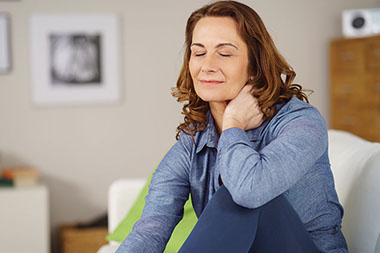
    Women sitting with eyes closed and relaxed.

    Menopause symptoms range from annoying to nearly unbearable. Hot flashes, mood changes and sleep problems are just a few things that come with this transition.

    Some women get relief from their menopause symptoms with complementary or “natural” approaches. Here’s what you should know about these remedies.

    Acupuncture

    Acupuncture involves stimulating specific points on the body. Usually, a practitioner will insert thin needles into the surface of the skin. Some studies have found acupuncture lowered the frequency and severity of hot flashes. But other studies have found no benefit.

    If you decide to try acupuncture, make sure you use a licensed and experienced practitioner. They should only use sterile, single-use needles.

    Hypnotherapy

    Hypnotherapy is when a provider uses hypnosis for health reasons. During a hypnotherapy session, your attention is concentrated and focused. You’ll have a stronger response to things that your provider says.

    Some evidence suggests that hypnotherapy can provide relief from hot flashes. Hypnosis is generally safe if a trained, licensed health care provider performs it. But if you have any mental health conditions, ask a provider before trying hypnotherapy.

    Mindfulness meditation

    Mindfulness meditation is a mental training exercise. It means you completely focus on what’s happening in the moment. It might include breathing, guided imagery or other techniques.

    Some evidence suggests that mindfulness meditation training helps menopausal women with:

    *  How much hot flashes bothered them

    *  Anxiety

    *  Sleep quality

    *  Stress

    *  Overall quality of life

    Meditation is generally safe. But ask a doctor before trying it if you have any physical or mental health conditions.

    Herbs for menopause symptoms

    Some studies have shown benefits to taking herbs for menopause. But others found that they didn’t help and could even be dangerous.

    Many supplements can interfere with medicines or cause problems if you have health conditions. In some cases, herbal supplements may contain things that aren’t listed on the label.

    Always talk to your health care provider before taking any herbal or vitamin supplement.

    Sources: National Center for Complementary and Integrative Health, U.S. Department of Health & Human Services Office on Women’s Health

    © American Institute for Preventive Medicine

  • Understanding Perimenopause

    MEDICAL NEWS

    Women outside looking out to the distance.

    Before a woman reaches menopause, she first goes through perimenopause. It is a time of adjustment as the body shifts away from the reproductive years. Preparing for these changes allows you to plan how to manage symptoms and find support.

    What is perimenopause?

    Perimenopause is the period of time when a woman’s body is gradually transitioning to menopause. It signals the end of the reproductive years and involves many physical and hormonal changes. When a woman’s period has been absent for a full 12 months, she has reached the end of perimenopause and is in post menopause.

    Every woman’s experience of perimenopause is different. Perimenopause can last for as little as four months to as long as ten years. The average length is about four to eight years. Many women begin perimenopause in their mid-forties though it can begin as late as their mid-fifties or as early as their mid-thirties.

    Symptoms

    *  Irregular or skipped periods

    *  Heavier or lighter periods

    *  Needing to urinate more frequently

    *  Hot flashes

    *  Vaginal dryness

    *  Difficulty sleeping

    *  Mood changes

    *  Changes in sexual desire

    *  PMS-like symptoms

    *  Trouble concentrating

    *  Headaches

    Manage Symptoms

    *  Eat a healthy, balanced diet with plenty of fruits, vegetables, and whole grains.

    *  Exercise regularly and include weight training at least two days a week to protect bone health.

    *  Watch for hot flash triggers such as alcohol or coffee.

    *  Establish healthy sleep habits.

    *  Seek ways to reduce stress, such as meditation, tai chi, or yoga.

    Treatment

    If symptoms are severe, your doctor may recommend additional treatment such as:

    *  Antidepressants to stabilize mood

    *  Low-dose birth control for irregular or heavy periods

    *  Hormone therapy to manage symptoms

    *  OTC or prescription medicine to address vaginal dryness or painful sex

    Pregnant during perimenopause

    Fertility naturally declines during perimenopause; however, it is still possible to conceive. The ovaries release fewer eggs, and fertility hormones gradually decrease, causing periods to become irregular. But, as long as you continue to have periods, it means you are still ovulating, and pregnancy is possible.

    © American Institute for Preventive Medicine

  • Plan For A Healthier, Happier Menopause

    Women’s Health

    Image of two mature women laughing.

    Some women dread menopause, associating the change of life with hot flashes, painful intercourse, mood swings, and the specter of old age. As with menstruation and childbearing, menopause is a rite of passage that has some discomforts. But you can help to prevent or alleviate many of them.

    *  To maintain a positive outlook, share your feelings with friends, stay active, and take an interest in others in your community.

    *  To lessen mood swings, cut down on caffeine, alcohol, and sweets.

    *  To help maintain hormonal balance, do regular exercise. Lose weight if you are overweight.

    Kegel exercises (named for the individual who invented them) can help to keep your pelvic and vaginal muscles toned, preventing a prolapsed uterus or poor bladder control, both of which sometimes accompany menopause. To feel these muscles at work, stop and start your urine flow in midstream the next time you use the toilet. Then practice the two exercises that follow.

    *  Squeeze the pelvic/vaginal muscles for 3 seconds, then relax them for 3 seconds. Do this ten times, three times a day.

    *  Squeeze and relax the same muscles as quickly as possible. Repeat ten times, three times a day.

    A Year of Health Hints book by the American Institute for Preventive Medicine. www.HealthyLife.com. All rights reserved.

    © American Institute for Preventive Medicine

  • Menopause

    Women’s Health

    Menopause occurs when menstrual periods have stopped for one whole year. It is also called “the change of life.” In general, this occurs between the ages of 45 and 55. It can, though, occur as early as age 35 or as late as age 65. It can also result when both ovaries are removed by surgery.

    Signs & Symptoms

    Signs and symptoms usually span 1 to 2 or more years. This is called peri-menopause. Symptoms vary from woman to woman. They result from hormone changes, the aging process itself, fatigue, and stress.

    Physical Signs and Symptoms

    *  Hot flashes. These are sudden waves of heat that can start in the waist or chest and work their way to the neck and face and sometimes the rest of the body. They can occur as often as every 90 minutes. Each one can last from 15 seconds to 30 minutes; 5 minutes is average. Seventy-five to 80% of women going through menopause have hot flashes. Some women are more bothered by them than others. Sometimes heart palpitations come with hot flashes.

    *  Vaginal dryness. The vaginal wall also becomes thinner. These problems can make sex painful or uncomfortable. Irritation can increase the risk for infection.

    *  Loss of bladder tone. This can result in stress incontinence (leaking urine when you cough, sneeze, laugh, or exercise).

    *  Headaches.

    *  Dizziness.

    *  The skin is more likely to wrinkle.

    *  Hair grows on the face, but thins at the temples.

    *  Muscles lose some strength and tone.

    *  Bones become more brittle. This increases the risk for osteoporosis.

    *  Irregular periods:

    – Bleeding can occur between periods. This is the most common bleeding pattern in peri-menopause.

    – Periods get shorter and lighter for 2 or more years.

    – Periods can stop for a few months and then start up again and are more widely spaced.

    – Periods occur with heavy bleeding and/or the passage of many small or large blood clots.

    Emotional Signs and Symptoms

    *  Irritability.

    *  Mood changes.

    *  Lack of concentration. Memory problems.

    *  Tension, anxiety, depression.

    *  Insomnia. Hot flashes can interrupt sleep.

    Causes

    Hormone changes that come with aging cause menopause. The body makes less estrogen and progesterone.

    Treatment

    Self-care may be all that is needed. Just estrogen can be prescribed. This is estrogen therapy (ET). Estrogen plus progestogen can be prescribed. This is called EPT. The term hormone therapy (HT) is used for both ET and EPT. Hormone therapy helps protect against osteoporosis, but has health risks. Each women should discuss the benefits and risks of HT and non-estrogen treatments with her doctor.

    Questions to Ask

    Self-Care / Prevention

    For Hot Flashes

    *  Wear lightweight clothes made of natural fibers, such as cotton.

    *  Limit or avoid alcohol. Limit caffeine.

    *  Have cool drinks, especially water, when you feel a hot flash coming on and before and after you exercise. Avoid hot drinks.

    *  Keep cool. Open a window. Lower the thermostat when the heat is on. Use air conditioning and/or fans. Carry a small fan with you.

    *  Try to relax when you get a hot flash. Getting stressed out over one only makes it worse.

    *  Use relaxation techniques, such as meditation, biofeedback or yoga.

    *  Follow your doctor’s advice for taking herbal products, such as black cohosh; vitamin supplements; over-the-counter menopause aids; and soy products.

    *  If you suffer from night sweats (hot flashes that occur as you sleep):

    – Wear loose fitting cotton nightwear. Have changes of nightwear ready.

    – Sleep with only a top sheet, not blankets.

    – Keep the room cool.

    For Vaginal Dryness and Painful Sex

    *  Don’t use deodorant soaps or scented products in the vaginal area.

    *  Use a water soluble lubricant, such as K-Y Liquid®, Replens®, etc. These make penetration easier during sex. Avoid oils or petroleum-based products. These promote infection.

    *  Ask your doctor about the benefits and risks of using estrogen (pills, patches, vaginal cream, or rings).

    *  Stay sexually active. Having sex often may lessen the chance of having the vagina constrict. It also helps to maintain natural lubrication and pelvic muscle tone. Reaching orgasm with a partner or alone gives these benefits.

    *  If you can, avoid using antihistamines. They dry mucus membranes in the body.

    For Emotional Symptoms

    *  Exercise regularly. This helps maintain hormonal balance.

    *  Talk to other women who have gone through or are going through menopause.

    *  Avoid stress as much as you can.

    *  To deal with stress, use relaxation techniques. Examples are meditation, yoga, listening to soft music, and massages.

    *  Eat healthy. Take vitamins and minerals, as advised.

    Resources

    National Women’s Health Information Center

    www.womenshealth.gov

    North American Menopause Society (NAMS)

    www.menopause.org
    Women's Self-Care book by the American Institute for Preventive Medicine. www.HealthyLife.com. All rights reserved.

    © American Institute for Preventive Medicine

  • Sexual Changes With Aging

    Sexual Health

    Physical Changes

    Sexual health can be affected by many conditions. These include:

    *  Certain medicines. Ask your doctor if medicines you take affect your sexual response.

    *  Alcohol

    *  Heart attack

    *  Stroke

    *  Diabetes

    *  Arthritis

    *  HIV and STIs

    *  Multiple sclerosis

    *  Parkinson’s disease

    *  Cancer and side effects of cancer treatment

    *  Surgery that involves the sex organs, such as a hysterectomy

    Physical Changes For Men:

    *  It may take longer to get an erection and to ejaculate.

    *  Erections may not be as hard or as large as in earlier years.

    *  The feeling that an ejaculation is about to happen may be shorter.

    *  After an ejaculation, more time needs to pass to get a second erection.

    *  Some males find they need more manual stimulation.

    *  The chances for erectile dysfunction (ED) increase.

    Physical Changes For Women:

    *  The vagina is drier. The walls of the vagina get thinner and less elastic. These can make sex uncomfortable.

    *  It may take longer to feel aroused.

    *  Orgasms can be shorter or less intense than in years past.

    Emotional Changes

    How people feel can affect what they are able to do.

    *  As persons age, they may feel more anxious about their appearance or ability to perform. This can interfere with the ability to enjoy sex.

    *  Not having a partner through choice, divorce, or death may make it difficult to deal with sexual feelings. Masturbation can bring sexual pleasure, but persons who have been taught that it is wrong are reluctant to do it.

    *  A lack of sexual desire can result in having sex less often. This may be due to lower hormone levels or having an illness or a disability.

    Some changes that come with aging can result in positive emotional changes:

    *  After menopause, both men and women may feel less anxious about having sex because they don’t have to worry about a pregnancy.

    *  A woman may get more sexual pleasure due to having a drier, thinner, and smaller vagina which allows her to feel more friction and stimulation during sex.

    *  A couple may have more time and privacy for sex if their children are grown and spend less time at home.

    Self-Care

    Tips for Sexual Health:

    *  Have sex often. Have sex when you are less tired, such as in the morning.

    *  Express your needs. Let your partner express his or her needs, too. Talk about your fears, fantasies, etc.

    *  Spend more time on foreplay. Let your partner know where and how you want to be touched.

    *  Take the pressure off your partner. Tell him or her that you know sex can take longer. Express your need for intimacy, not just performance.

    *  Avoid or limit alcohol. A little alcohol can act as an aphrodisiac. Too much can interfere with sex and lead to unsafe sex.

    *  Ask your doctor or pharmacist if any medicines you take can affect your sex life. Find out if another medicine can be used without this side effect.

    *  Stay as physically fit as you can. This allows more energy for sex.

    *  To help prevent possible problems with sexual satisfaction, follow your doctor’s advice for a chronic illness.

    *   Give each other a massage or take a shower together.

    *  Keep the T.V. out of the bedroom.

    *  Plan time to be alone together and for sex. This promotes intimacy.

    – Make a point to spend at least 15 minutes of uninterrupted time with your partner each day.

    – Express your affection for each other every day.

    – Spend part of a day alone together at least once a week. Make a date to take a walk in the park, go out for dinner, or share other activities you both enjoy. Schedule time away together when you can.

    – Go to bed at the same time.

    Tips for Men:

    *  See “Causes” and “Self-Care/Prevention” for “Erectile Dysfunction (ED)“.

    *  Talk to your doctor about your concerns. Be open and honest.

    Tips for Women:

    *  Discuss hormone therapy with your doctor. Estrogen can help with vaginal dryness. It can help thicken the walls of the vagina.

    *  Use a water-soluble lubricant, such as K-Y Jelly, Replens, etc. Don’t use oil or petroleum-based products. These encourage infection.

    *  Remain sexually active. Having sex often may lessen the chance of having the vagina constrict, helps keep natural lubrication, and maintains pelvic muscle tone. This includes reaching orgasm with a partner or alone.

    *  If you can, avoid using antihistamines. They dry mucus membranes in the body.

    *  Don’t use deodorant soaps or scented products in the vaginal area.

    When to Seek Medical Care

    Contact Doctor When:

    *  You have pain or bleeding during sex.

    *  You have signs and symptoms of an STI.

    *  You have sexual problems due to an illness, surgery, injury, or erectile dysfunction.

    *  You continue to have sexual problems after using self-care.

    Health at Home Lifetime book by the American Institute for Preventive Medicine. www.HealthyLife.com. All rights reserved.

    © American Institute for Preventive Medicine