Tag: Mental Health

  • Caregivers: Take Time For Yourself

    FAMILY LIFE

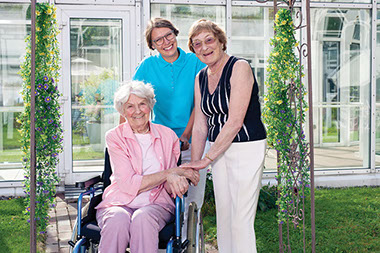
    Image of elderly female in wheechair with two caregivers.

    There’s no doubt: caregiving is a stressful job. If you help take care of an aging, ill, or disabled loved one, you are a caregiver. And although caregiving may take up a lot of your time, you need to make time for yourself too, says the Family Caregiving Alliance.

    If you’ve been trying to juggle caregiving with your other commitments, it’s time to take a moment and think about your own needs. If you keep doing things for others without taking time for yourself, your health and entire life could suffer. Caregivers of all ages can be prone to the following problems:

    *  Depression or anxiety

    *  High stress levels

    *  Poor quality sleep or not sleeping enough

    *  Unhealthy diet choices

    *  Lack of exercise

    *  Not getting needed health care for themselves

    *  Financial problems

    *  Feeling isolated and alone

    These factors together can create health and personal problems. Before you reach the point of burnout, try to find a way to get a break from caregiving. Think about what would relax you and help you recharge. Is it a lunch date with a friend? An aerobics or yoga class? A walk through the park? A soak in the tub? Whatever it is, you deserve the time to do it.

    How to find the time

    Not sure how to find time for yourself? Talk to others who can help out. Ask friends, neighbors, or family members to step in for just an hour or two so you can have a break. Or, if you can, have your loved one spend some time at an adult day care or respite center. If others have offered to help in any way, learn how to say, “Yes, that would be great,” and accept their offer. Many caregivers mistakenly think they need to do it all themselves – don’t!

    Many people feel guilty leaving their loved one for even a short while. But remember, you need to recharge yourself so you can be the best caregiver possible. You’re doing it for others just as much as for yourself.

    Talk to others

    Many caregiver support groups are available online and in local communities. Connecting with others who understand can go a long way in helping you feel better. The local Area Agency on Aging (AAA) is a good place to start. Some support groups are online, while others offer in-person meetings. Choose what is right for you.

    Remember:Taking time for you is not being selfish. It’s a necessity. You deserve some time to take care of your own needs. It will allow you to be the best you can be in all areas of your life.

    © American Institute for Preventive Medicine
  • Exercise Addiction: Are You At Risk?

    BE FIT

    Image of female in fitness attire.

    Many women think that with achieving a fabulous figure like fashion models comes happiness, wealth, and the ideal mate. They will often exercise to a dangerous point in pursuit of “their dream body,” say Dr. Julia Samton, a neuropsychiatrist, and Certified Personal Trainer Franci Cohen who speak out about the dangers of pushing yourself past your limit.

    “For some girls, this desire for that picture-perfect life can lead to exercise addiction-the beginning of this quest for perfection,” says Dr. Samton.

    Typical symptoms of someone who is letting exercise take over her (or his) life:

    *Intention effects.The amount of exercise or length of exercise sessions is longer than originally intended.

    *Time.Large amounts of time are spent exercising and conflict with other areas of life.

    *Continuance.The person will continue to exercise even with persistent physical or psychological issues that are made worse from exercising, such as a recurring injury.

    “The biggest red flag,” according to Dr. Samton, “would be when exercise starts to interfere with one’s occupational, social, and overall functioning. It’s at this point that treatment is recommended.”

    “Cognitive behavioral therapy can be helpful, but seeking a therapist with experience in exercise addiction is crucial. For extreme cases, there are inpatient treatment facilities,” says Dr. Samton.

    © American Institute for Preventive Medicine

  • Good Mood Foods

    HEALTHY EATING

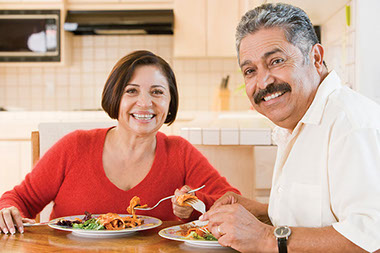
    Image of couple eating dinner.

    Colder temps, darker and longer days, and the temptation to eat more and move less. Sound like your winter schedule? Boost your mood with this advice from Highmark, a health care company.

    *Focus on nutrient-rich foods.Eating “comfort foods” may help you relax and give you a mood boost, but it’s only temporary. Nutrient-rich foods like fruits, vegetables, whole grains, and lean protein foods provide a consistent and long-lasting impact on your health, mood, energy, and alertness.

    *Cut back on your fat intake.A high-fat diet can be a real brain and energy drainer. Just say “no” to deep-fried foods and look for foods that contain no more than 3 grams of fat per serving.

    *Eat moderate portion sizes and avoid large meals.Have you ever wondered why you feel tired after eating a large meal? During periods of digestion, your blood supply is directed to the digestive tract and away from the rest of the body, which causes you to slow down.

    *Eat regular meals.Skipping meals can slow your metabolic rate, and the lower your metabolism, the lower your energy level. Plan regular meals and snacks to keep your metabolic rate and blood sugar levels normal to provide your brain the best means to function and handle stress.

    *Remember balance, variety, and moderation.The best strategy for maintaining a good mood, high-energy level, and concentration is to consistently eat a wide variety of foods high in nutritional value.

    © American Institute for Preventive Medicine