Tag: metabolism

  • Burn Calories Without Trying

    BE FIT

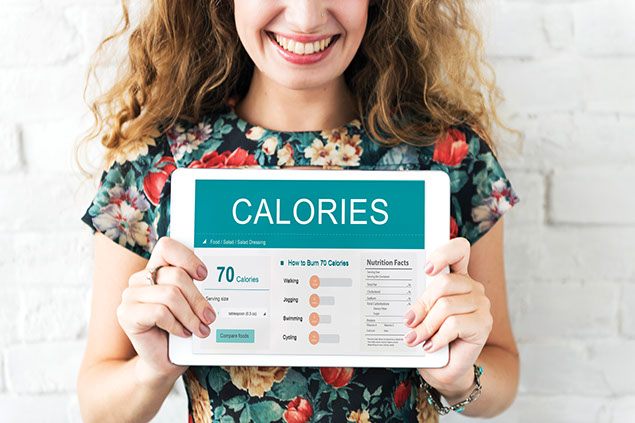
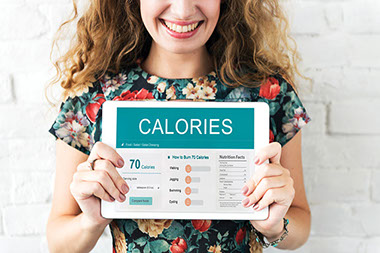
    Image of women holding up tablet with calorie tracking.

    When you’re not exercising, you can still burn extra calories! Use little ways to get more fit every day.

    Don’t make things convenient.

    Take the stairs instead of the elevator. Park farther away from your destination and walk. Use your bike instead of a car for quick grocery store runs. Put your favorite snack foods in the basement, rather than on the main floor near the TV.

    Get up.

    Take a short break every hour if you sit at a desk. Get up, move your arms and legs or even do a few jumping jacks. Use a hands-free headset so you can get up and walk or lift weights while you’re on the phone. Have a meeting? See if you can stand during part of it or even have a walking meeting.

    Sneaky exercises.

    Do some isometric exercises if you sit a lot. Try squeezing your glute muscles and knees together for eight counts, holding for five seconds then release. Do this every couple of hours.

    Move whenever you can. Walk in place instead of standing still.

    © American Institute for Preventive Medicine

  • Myths About Underactive Thyroid

    MEDICAL NEWS

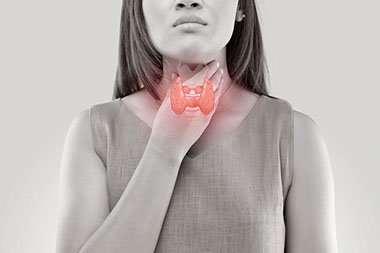
    Image of women holding her neck with an illustration of the thyroid gland on top.

    One of the most common thyroid problems is hypothyroidism, or underactive thyroid.

    Hypothyroidism means the thyroid gland isn’t making enough thyroid hormones. This can cause a number of symptoms, including:

    *  Fatigue

    *  Trouble with learning or remembering

    *  Dry hair, nails or skin

    *  Constipation

    *  Sore muscles

    *  Weight gain or bloating

    *  Heavy or irregular menstrual periods

    Although hypothyroidism is a common problem, there are many myths about it. Read on to learn about some common myths – and what you should know and hypothyroidism.

    Myth:You can’t lose weight if you have a thyroid problem.

    Fact:Many people can get to a healthy weight with hypothyroidism after getting on the proper dose of thyroid medication. They may need to work with a nutritionist or other health provider and get plenty of exercise. But losing weight is doable.

    Myth:You can’t get pregnant if you have hypothyroidism.

    Fact:Many women can get pregnant with an underactive thyroid. They should work with their doctor to make sure they are on thyroid medication that is safe and effective. It’s important to take thyroid medication consistently and carefully throughout pregnancy.

    Myth:Only older women have hypothyroidism.

    Fact:Thyroid problems can affect anyone, of any age. But women older than 60 years are at an increased risk for hypothyroidism.

    Myth:People with underactive thyroid need to take iodine.

    Fact:People with hypothyroidism should be on a medication that their doctor prescribes. Taking iodine supplements is usually not needed.

    Myth:High doses of thyroid medicine are better.

    Fact:Having too much thyroid hormone can lead to health problems like rapid heart rate, irregular heartbeat, bone loss and can even become life threatening. Work with your doctor to be sure your thyroid blood levels are within a healthy range.

    Myth:I can manage underactive thyroid with a healthy diet.

    Fact:A healthy diet is great for everyone, including people with underactive thyroid. However, even the best food choices cannot replace missing thyroid hormones. A person needs to take their thyroid medication as their doctor prescribes to replace these hormones.

    Source: American Association of Clinical Endocrinologists
    © American Institute for Preventive Medicine

  • Questions About Metabolism

    MEDICAL NEWS

    Women flexing arm while holding a fork in the other hand, with the word "Metabolism".

    Your body has a process for taking food and turning it into energy. This is known as your metabolism. Some diets and exercise plans claim to raise metabolism so you can lose more weight. How does this work, and is it even true?

    Does exercise boost metabolism?

    Exercise burns calories, and you’ll continue to burn some more calories after you’re done. But don’t count on exercise to rev up your metabolism so you can eat much more than usual.

    If you exercise and then eat a lot of calories, this can lead to weight gain. Even if your workout is long and hard, watch out for high-calorie foods and drinks if you’re trying to lose extra pounds.

    Use exercise for its amazing health-boosting powers. But be careful about how many calories you eat. Exercise can’t drastically change your metabolism.

    Does muscle burn more calories than fat?

    Having more muscle can boost your metabolism a little. But it’s only a small amount. Most of your metabolism is controlled by other organs like your brain, kidneys, liver, heart and lungs. Building muscle mass is still valuable. Lifting weights boost bone health. It can help you with everyday tasks and balance. Just don’t count on it to change your metabolism very much.

    Can certain foods boost metabolism?

    Green tea, caffeine or hot peppers can boost your metabolism for a short time. But it’s not enough to help a person lose weight.

    Green tea has health benefits but be careful with caffeine. The Food and Drug Administration says adults should get no more than 400 mg of caffeine each day. That’s about three or four cups of coffee. Some people are sensitive to caffeine and should get much less than this amount. Remember, caffeine can also be found in tea, energy drinks and some sodas.

    If I eat regular meals, does that speed up metabolism?

    There are some benefits to spreading your meals out each day. You want to eat on a regular schedule so you don’t get too hungry. If you’re famished, you’re more likely to overeat and take in a lot more calories.

    But there isn’t any evidence that says eating regular meals will help boost metabolism. Instead, follow your hunger cues. Eat when you’re hungry and stop when you start to feel full and satisfied.

    Source: U.S. National Library of Medicine

    © American Institute for Preventive Medicine

  • Weight Control

    Weight Control

    General Guidelines

    © American Institute for Preventive Medicine

  • How Aging Affects Digestion

    Abdominal & Urinary Conditions

    Image of elderly man.

    As you age, your digestive muscles move slower. Your body makes less acid. Other things can hamper the digestive system, too. These include:

    *  Increased use of medicines

    *  Getting less exercise

    *  Changes in eating habits

    *  Dental problems

    *  Loss of muscle tone and elasticity. This could be a factor in hiatal hernias and diverticulosis, which are common in persons as they get older.

    Health at Home Lifetime book by the American Institute for Preventive Medicine. www.HealthyLife.com. All rights reserved.

    © American Institute for Preventive Medicine

  • Thyroid Awareness

    Ear, Nose & Throat Conditions

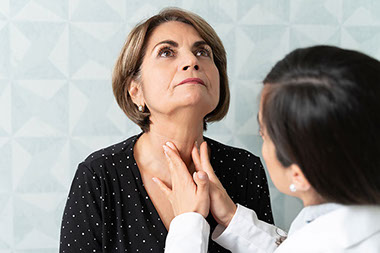
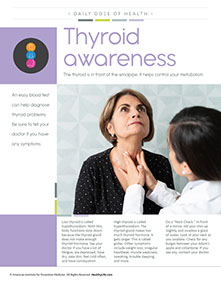
    Doctor examining women's neck.

    The thyroid is in front of the windpipe. It helps control your metabolism.

    An easy blood test can help diagnose thyroid problems. Be sure to tell your doctor if you have any symptoms.

    Low thyroid is called hypothyroidism. With this, body functions slow down because the thyroid gland does not make enough thyroid hormone. See your doctor if you have a lot of fatigue, are depressed, have dry, pale skin, feel cold often, and have constipation.

    High thyroid is called hyperthyroidism. The thyroid gland makes too much thyroid hormone. It gets larger. This is called goiter. Other symptoms include weight loss, irregular heartbeat, muscle weakness, sweating, trouble sleeping, and more.

    Do a “Neck Check:” In front of a mirror, tilt your chin up slightly and swallow a glass of water. Look at your neck as you swallow. Check for any bulges between your Adam’s apple and collarbone. If you see any, contact your doctor.

    Health at Home Lifetime book by the American Institute for Preventive Medicine. www.HealthyLife.com. All rights reserved.

    © American Institute for Preventive Medicine

  • Thyroid Problems

    General Health Conditions

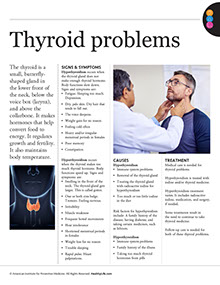
    The thyroid is a small, butterfly-shaped gland in the lower front of the neck, below the voice box (larynx), and above the collarbone. It makes hormones that help convert food to energy. It regulates growth and fertility. It also maintains body temperature.

    Signs & Symptoms

    Hypothyroidism occurs when the thyroid gland does not make enough thyroid hormone. Body functions slow down. Signs and symptoms are:

    *  Fatigue. Sleeping too much.

    *  Depression.

    *  Dry, pale skin. Dry hair that tends to fall out.

    *  The voice deepens.

    *  Weight gain for no reason.

    *  Feeling cold often.

    *  Heavy and/or irregular menstrual periods in females.

    *  Poor memory.

    *  Constipation.

    Hyperthyroidism occurs when the thyroid makes too much thyroid hormone. Body functions speed up. Two common forms are Graves’ disease and multinodular goiter. Signs and symptoms are:

    *  Swelling in the front of the neck. The thyroid gland gets larger. This is called goiter.

    *  One or both eyes bulge. Tremors. Feeling nervous.

    *  Mood swings.

    *  Weakness.

    *  Frequent bowel movements.

    *  Heat intolerance.

    *  Shortened menstrual periods in females.

    *  Weight loss for no reason.

    *  Fine hair or hair loss.

    *  Rapid pulse. Heart palpitations.

    {Note: In elderly persons, symptoms for this can be more like ones for hypothyroidism.}

    Causes

    For Hypothyroidism

    *  Immune system problems.

    *  Removal of the thyroid gland.

    *  Treating the thyroid gland with radioactive iodine for hyperthyroidism.

    *  Too much or too little iodine in the diet.

    Risk factors for hypothyroidism include: A family history of the disease; having diabetes; and taking certain medicines, such as lithium.

    For Hyperthyroidism

    *  Immune system problems.

    *  Family history of the illness.

    *  Taking too much thyroid hormones from pills.

    Treatment

    Medical care is needed for thyroid problems.

    Hypothyroidism is treated with iodine and/or thyroid medicine.

    Hyperthyroidism treatment varies. It includes radioactive iodine, medication, and surgery, if needed.

    Some treatments result in the need to continue to take thyroid medicine.

    Follow-up care is needed for both of these thyroid problems.

    Questions to Ask

    Self-Care / Prevention

    *  Take medication as directed.

    *  Tell your doctor if symptoms come back or still bother you.

    *  Follow your doctor’s advice for self-care measures.

    Neck Check

    To see if you have a lump on your thyroid gland or if it is enlarged, the American Association of Clinical Endocrinologists recommends this quick self-test:

    1.  Tilt your chin up slightly and swallow a glass of water in front of a mirror.

    2.  Look at your neck as you swallow.

    3.  Check for any bulges or protrusions between your Adam’s apple and collarbone. If you see any, contact your doctor.

    Resources

    American Thyroid Association

    www.thyroid.org

    Healthier at Home book by the American Institute for Preventive Medicine. www.HealthyLife.com. All rights reserved.

    © American Institute for Preventive Medicine

  • How Much Energy Do I Need?

    Healthylife® Weigh

    Part 2

    Women cutting vegetables.

    Calories are units of energy that fuel your body for daily functions like breathing, eating, and thinking. Calories are also burned during physical activity. The more active you are, the more energy your body needs. Use the chart below to find your estimated daily energy needs. Calories needed vary by sex, age, and activity level. To determine your activity level, consider how you spend most of your day.

    *  Sedentary: You sit most of the day and do little to no physical activity (e.g., you walk once a week or do light gardening).

    *  Moderately Active: Your work involves movement, such as cleaning or light industrial work. You do some moderate-intensity physical activity a few times a week, like brisk walking or cycling.

    *  Active: Your work involves a lot of movement, such as heavy industrial work, construction work, or farming. You do physical activity most days during the week, such as jogging, swimming laps, intense walking, weight lifting, or sports.

    Chart showing calories needed per day by age, gender and activity level.

    These are roughly the calories you need per day to stay at your current weight.

    To lose 1 pound per week, you need to take in 500 fewer calories than you use/burn through daily activity. This guide encourages gradual, long-lasting weight loss.

    You can get your specific daily energy needs using the USDA’s SuperTracker online tool. Find this atwww.choosemyplate.gov/resources/MyPlatePlan.

    You can lose weight without severely restricting calories. Eating fewer than 1,200 calories per day can make it difficult for you to get all the nutrients you need. Eating this way can also be hard to follow long-term. A diet with fewer than 1,200 calories should be supervised by a doctor or dietitian.

    Special nutrition needs

    Talk to your doctor or dietitian before choosing an eating plan if you have special nutrition needs, such as:

    *  You are pregnant or breastfeeding

    *  You have a health condition or take medications

    © American Institute for Preventive Medicine

  • Weight Loss & Metabolism

    Healthylife® Weigh

    Part 7

    Two women power walking together.

    As you have learned throughout this guide, losing weight can result in many positive changes for your body. One change, however, can make it tougher to maintain weight loss. When you lose weight, the body’s natural reaction is to conserve energy by slowing your metabolism.

    Your metabolism may be slower than before you lost weight.

    *  Your body changes to make it difficult to lose more weight.

    *  Your body changes to make it easier to put on weight.

    Without changing your habits and lifestyle around food and exercise, being overweight can become a chronically relapsing condition. You may feel caught in a cycle of gaining and losing weight repeatedly. This pattern can be very hard on the body and mind.

    You are not doomed to gain weight once you have worked hard to lose it. While a slower metabolism can make it harder, you have built many strengths to make this challenge easier.

    *  Easier to exercise (e.g., less joint pain, improved heart and lung function, more energy)

    *  More muscle tissue (this increases your metabolism)

    *  Enjoy an increased variety of healthy foods

    *  Stronger social support

    *  Kinder view of self and body image

    *  Strengthened values

    © American Institute for Preventive Medicine

  • A Jolt Of Java

    HEALTHY EATING

    Image of 3 coffee cups around coffee beans.

    The addictive drug caffeine (yes, it’s a drug) is naturally found in coffee beans and is added to other drinks and foods. So how much is in your daily cup?

    Here’s what the Center for Science in the Public Interest says. (Numbers are in milligrams per 8 ounce cup, unless otherwise stated, so judge accordingly because who drinks just 8 ounces?)

    * Note: The FDA advises consumers to talk with their health care providers before using any product marketed as an “energy shot” or “energy drink.”

    *  Brewed coffee 102 to 200 (by comparison, brewed decaf 5)

    *  Instant coffee 27 to 173

    *  Starbucks brewed 160 (Starbucks vanilla latte 75 or 1 oz Espresso 75)

    *  Dunkin’ Donuts 103

    *  Starbucks Tazo Chai tea 50

    *  Brewed tea 40-120

    *  Arizona Iced Tea, black 16; green 7.5

    *  Snapple, Just Plain Unsweetened 9

    *  5-Hour Energy (1.93 oz) 207*

    *  Monster Energy 80 (but the cans are 16 oz so 160)*

    *  Coke, regular or diet 54 (12 oz); Classic 35

    *  Sprite, regular or diet 0

    *  SoBe Essential 48

    *  Ben & Jerry’s Coffee Heath Bar Crunch 84

    *  Hershey’s Chocolate Bar (1.55 oz) 9

    *  Hershey’s Kisses (9 pieces) 9

    *  Excedrin (Extra Strength, 2 tablets) 130

    © American Institute for Preventive Medicine