Tag: minerals

  • Get More Of These 4

    HEALTHY EATING

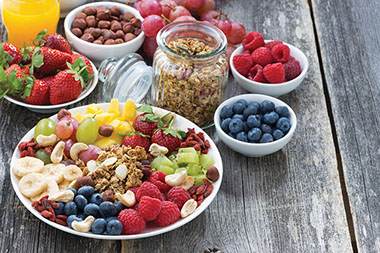
    Dishes filled with berries, nuts and fruits.

    The 2015-2020 Dietary Guidelines for Americans state that four nutrients are a “public health concern.” Many people are not getting enough:

    *  Calcium

    *  Fiber

    *  Potassium

    *  Vitamin D

    Try these tips to get more:

    1.  Eat more vegetables, fruits and legumes. These foods are rich sources of fiber and potassium. High-fiber bran cereal and shredded wheat also pack a fiber punch.

    2.  Eat more yogurt and drink milk. Both are good sources of calcium, potassium and vitamin D. Avoid sweetened yogurt. Instead, buy plain yogurt and add fresh fruit.

    3.  Eat seafood that’s high in vitamin D. This includes salmon, trout, whitefish, herring and tuna. Pregnant and nursing women should ask a doctor how much seafood they can eat.

    4.  Consider healthy foods that have vitamin D added, like soy milk, orange juice, dairy products and cereals.

    © American Institute for Preventive Medicine

  • Is Sea Salt Better Than Regular Salt?

    HEALTHY EATING

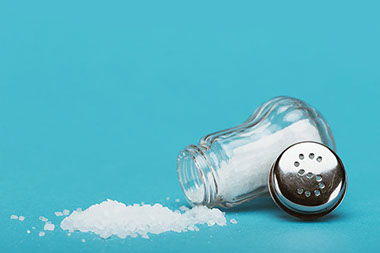
    A salt bottle opened with spilled salt.

    Many food products contain “sea salt” as an ingredient instead of table salt, also commonly called “salt.” In particular, many so-called natural food products say they use sea salt. But is sea salt any healthier than old-fashioned table salt?

    What’s the difference?

    In general, sea salt has a coarse, crunchy texture. Table salt has a more fine grind and may have a weaker taste. In foods like potato chips or sea salt caramels, some people prefer the flavor and texture of sea salt.

    Sea salt is made from evaporated sea water. It’s usually not processed, so it may be considered a more “natural” choice. It may contain trace levels of minerals like magnesium, potassium and calcium. But, these minerals are found in small amounts. So, eating sea salt is not a reliable way to get more minerals in your diet.

    Table salt comes from mined salt deposits. It is processed into a fine texture. During this process, it usually loses its other minerals. However, most table salt brands contain added iodine, which is a necessary nutrient that many people don’t get enough of. Table salt may also contain some additives to prevent clumping.

    Same in sodium

    Although sea salt shows up in many “natural” food products, it’s not usually healthier. Sea salt and table salt have about 40 percent sodium by weight.

    Some types of sea salt say that they contain less sodium than table salt. To check this, read the Nutrition Facts panel on the package. Table salt contains about 575 mg of sodium in ¼ teaspoon.

    Going coarser

    Some very coarse salts like kosher salt may have slightly less sodium, teaspoon for teaspoon. This is because the larger crystal size makes it less compact, so you can’t get as much salt into your measuring spoon.

    In these cases, using a coarse type of salt in cooking may help you reduce sodium content, but probably not by very much. Some people prefer the taste and texture of a very coarse salt. But don’t use it thinking that you’ll really reduce your sodium intake.

    Choose the type of salt you prefer, and use it sparingly. One type isn’t healthier than another. Talk to your doctor about how much sodium you should eat each day.

    Source: American Heart Association

    © American Institute for Preventive Medicine

  • Magnificent Magnesium

    HEALTHY EATING

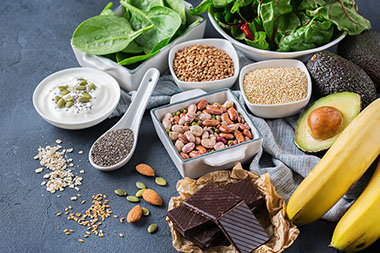
    Image of magnesium food sources.

    Magnesium plays a role in more than 300 functions in the body. It is needed for muscle and nerve function, bone health, blood sugar control and regulating blood pressure. We also need magnesium to release energy in our body.

    Long-term low levels of magnesium could be linked to certain health problems like migraine headaches, osteoporosis, type 2 diabetes and high blood pressure. This doesn’t mean magnesium can cure these diseases. It also doesn’t mean that low magnesium is the only cause. Many factors are involved with these health conditions. Researchers are still working to learn how magnesium is connected to these health conditions.

    Today’s foods & magnesium

    The recommended dietary allowance (RDA) for magnesium is 320 mg for women and 420 mg for men. Most people get their magnesium from food.

    But, some researchers believe that levels of magnesium in foods may be getting lower. Also, magnesium is not found in most processed or packaged foods. That’s why it’s recommended to get the magnesium your body needs by eating healthy foods.

    People with type 2 diabetes or digestive diseases may have a higher risk of not getting enough magnesium. In addition, certain medicines can cause depletion of magnesium. These medicines include:

    *  Loop diuretics, including furosemide and bumetanide

    *  Thiazide diuretics, including hydrochlorothiazide and ethacrynic acid

    *  Proton pump inhibitors (PPIs), including esomeprazole magnesium and lansoprazole

    If you take these medicines, your doctor may talk to you about your magnesium levels and whether you need extra magnesium.

    Should I take a supplement?

    There are many different types of magnesium supplements. Some do not absorb in the body very well. High doses of magnesium supplements can cause diarrhea, nausea, and stomach cramps. Extremely high doses can also be toxic.

    Magnesium can also interact with certain medicines. If you take any of the following medicines, do not take magnesium supplements within two hours of taking your medication:

    *  Biophosphonates like alendronate, which treat osteoporosis

    *  Antibiotics including tetracyclines and quinolones

    However, getting magnesium from healthy foods does not cause these side effects. If you’re interested in a supplement, always ask your doctor first to be sure it’s safe for you.

    Source: National Institutes of Health

    © American Institute for Preventive Medicine

  • Potassium: Why You Need It

    HEALTHY EATING

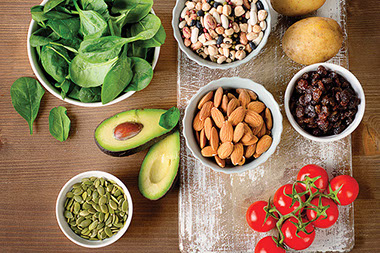
    A varity of foods high in potassium.

    Potassium is an important mineral that the body needs for various functions. But many people don’t get enough potassium in their diet. And people who take certain diuretic medicines may have low levels, too.

    Why do I need potassium?

    When potassium levels are low, a person may have:

    *  High blood pressure and stroke: Low potassium raises the risk of having high blood pressure, especially when a person eats high amounts of salt (sodium). High blood pressure is a major risk factor for heart attack and stroke.

    *  Kidney stones: Low potassium levels can take calcium out of the bones. This causes calcium to come out in the urine, which can lead to kidney stones. Kidney stones can be painful and sometimes require procedures or surgery to remove.

    *  Bone weakness: Potassium strengthens bones. Without it, bones may be weaker and more likely to break.

    *  Muscle weakness

    *  Heart rhythm problems, known as arrhythmias

    Food sources of potassium

    A healthy diet can help you get the right amount of potassium. These foods are good sources:

    *  Leafy greens, such as spinach and kale

    *  Vegetables like peas, cucumbers, squash and broccoli

    *  Root vegetables, such as potatoes, sweet potatoes and carrots

    *  Fruit from vines, such as raspberries, grapes and blackberries

    *  Citrus fruits, such as oranges and grapefruit

    *  Fruits, such as dried apricots, melon, raisins and bananas

    *  Legumes, such as beans and lentils

    *  Milk and yogurt

    *  Meats, poultry and fish

    How much potassium you need

    It’s usually best to get your potassium through a healthy diet. Don’t take potassium supplements unless your doctor recommends it. Most people need 2,600-3,400 milligrams (mg) of potassium every day.

    People who have chronic kidney disease may need to lower their potassium intake. This is because the kidneys help get rid of excess potassium. Ask your doctor about your potassium intake if you have kidney disease.

    Most people can get a proper balance of potassium and other minerals through their diet. Ask your doctor before making any major diet changes.

    Sources: National Institutes of Health, U.S. National Library of Medicine

    © American Institute for Preventive Medicine

  • Supplements

    Healthylife® Weigh

    Part 7

    Doctor and patient talking.

    The term “dietary supplement” can be used for anything that you take orally to enhance your usual food intake. Dietary supplements include vitamins, minerals, amino acids, protein powders, and herbal products. Supplements do not have to be approved by the FDA.

    Reasons to Take a Supplement:

    *  Females who are pregnant or breastfeeding need more iron, folic acid, and calcium.

    *  Females with excessive menstrual bleeding may need to take an iron supplement.

    *  Some vegetarians may not get enough calcium, iron, zinc, and vitamin B12.

    *  Older adults and people with little exposure to sunlight may need a vitamin D supplement.

    *  People with certain disorders or diseases and people who take some medications may need a supplement. For example, people with high blood pressure who take a water pill may need to take a potassium supplement.

    Ask your doctor if you need any vitamin and/or mineral supplement due to a medical condition or any medication(s) you take. Supplements can interact with food and other medications.

    HealthyLife® Weigh Guidelines:

    1. Healthy adults and children can get the nutrients they need by choosing a variety of foods rather than taking supplements. This reduces the risk of deficiencies, as well as excesses.

    a. Do not take supplements that contain more than 10 times the Recommended Daily Intake (RDI) for a nutrient, particularly fat soluble vitamins (A, D, E, and K). The mineral selenium can also be harmful if taken in large amounts.

    b. The maximum value of vitamins is in food rather than supplements. It’s much better to get your vitamins and minerals from food rather than from pills. Unlike supplements, fruits, vegetables, and grains have dietary fiber that is beneficial, promotes regularity, and aids in the prevention of disease.

    2. Some supplement ingredients can be seriously harmful. Examples include high potency doses of some vitamins, such as niacin, amino acids (e.g., L-tryptophan) and herbs (e.g., chaparral, comfrey, and germander).

    3. Supplements may not be pure. If you have allergies, be sure to follow recommendations from your doctor or allergist before taking a supplement.

    Bottom Line: You should eat healthy foods to get needed nutrients. Consult your doctor or registered dietitian if you think taking vitamin/mineral supplements could benefit you.

    Resources for Supplement Information:

    Center for Food Safety and Applied Nutrition

    www.fda.gov/about-fda/fda-organization/center-food-safety-and-applied-nutrition-cfsan

    Food and Nutrition Information Center

    www.nal.usda.gov/fnic

    National Center for Complementary and Integrative Health (NCCIH)

    www.nccih.nih.gov

    National Institute of Health: Office of Dietary Supplements

    https://ods.od.nih.gov
    © American Institute for Preventive Medicine