Tag: mobility

  • Agility Means Mobility

    SELF-CARE CORNER

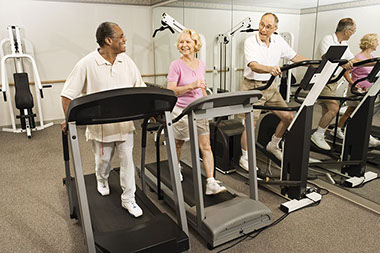
    Image of 3 senior citizens walking on treadmills.

    Want to be able to move around well as you age? Finding it more difficult to get down on your knees (and get up)? Interested in keeping your joints strong and flexible to meet the demands of daily life?

    Join the club. Without our ability to get around, all kinds of health problems set in, according to the CDC. MySilverAge.com challenges not just seniors but everyone else to work out to improve mobility with these 3 functional fitness workouts:

    *Use sandbells to minimize strain.While exercise equipment such as dumbbells strengthen arms, many weights can place too much strain on the hands. A sandbell-a weighted, contoured fabric bag filled with sand-is an easier alternative for older adults and others who have trouble gripping items, because they offer customizable weight and grip for strength exercises, while minimizing stress and strain on hands.

    *Use interval training for quick bursts of energy.Children tend to have short bursts of energy followed by periods of rest before they start again. Keep up with the kids with interval training. Walk on a treadmill at a normal speed for 5 minutes, then increase to a more challenging pace for 1 minute and repeat.

    *Use an exercise ball for better balance.Good balance is vital for safe walking, stair climbing, and avoiding falls. Use an exercise ball in place of a chair during traditional workouts, such as lifting weights, to help improve balance. The instability of the ball forces all the body’s muscles to work together to support stability and steady balance.

    © American Institute for Preventive Medicine
  • Back In Action

    MEDICAL NEWS

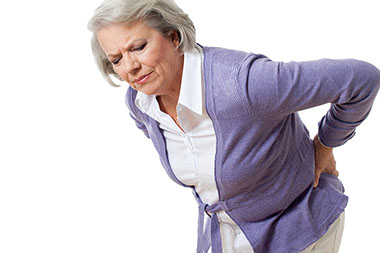
    Image of older women holding her back in pain.

    Back pain. In the last 3 months, about 1 in 4 adults has had at least one day of back pain, mostly in the lower back, according to NIH in Health.

    The good news is that most back pain goes away by itself-in time. If pain continues for more than 3 months, you have chronic back pain. If doctors can find out the source of your pain, you may be treated effectively with certain surgeries.

    But even chronic pain can clear up without surgery. Don’t let the pain take over. Doctors advise:

    *  Stay active and maintain a healthy weight.

    *  Stretch before exercise or other strenuous physical activity.

    *  Don’t slouch when standing or sitting.

    *  Make sure your work surface is at a comfortable height for you.

    *  Wear comfortable, low-heeled shoes.

    *  Lift, if you must, with your back straight, bend at the knees, and put the stress on your legs and hips.

    *  Don’t smoke.

    *  Talk with your doctor to make sure you’re getting enough calcium and vitamin D.

    © American Institute for Preventive Medicine

  • Boomers Beware

    BE FIT

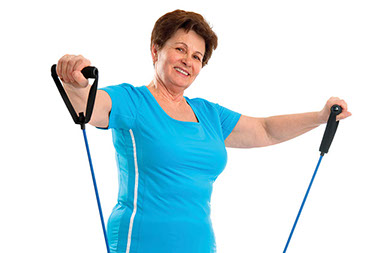
    Image of older women with exercise equipment.

    Boomers are now age 50 and older. And they are getting lots of injuries to backs, knees, hips, ligaments and tendons (the structures that attach muscles to bones).

    Regular exercise is critical for maintaining and improving bone and muscle strength. And yet if not done properly, exercise can result in pain and injury, sprains and strains. The American Academy of Orthopaedic Surgeons offers the following exercise safety advice for anyone older than 50:

    Warm up and stretch.Walking, bending, jumping jacks, and running in place before exercise gets and keeps the circulatory system moving and helps prevent injury. Stretching can be done before or after a workout.

    Exercise consistently.Don’t be a weekend warrior. Try to get at least 30 minutes of moderate physical activity every day.

    Take lessons.Consider taking lessons for the sport you love. Whether you’re new to a sport or have been taking part in it a long-time, proper form and instruction reduce the chance of an overuse injury like tendonitis or stress fractures.

    Wear the proper equipment.Select the proper gear and shoes for your sport.

    Listen to your body.As you age, you may find that you are not as flexible as you once were, or that you cannot tolerate the same types of activities. If so, modify your exercise routine to accommodate your body’s needs. For example, if you’ve been a daily runner for many years, consider replacing a day or two of that activity with swimming, biking, or another sport that puts less impact on your joints.

    Use the 10% rule.When changing your activity level, increase it in increments of no more than 10% per week. Slowly build up each week until you reach your higher goal. This will prevent overuse injuries that may keep you from exercising or enjoying your favorite sport for some time.

    Develop and maintain a balanced fitness program.Include cardiovascular exercise, strength training, and flexibility. A balanced exercise program will provide a total body workout. This keeps you from getting bored and lessens your chances for injury.

    Take a break.Hard workouts can take a toll on your body and thus require strategies aimed at recovery. Learn to take a day off or cut back your training to allow your body to adapt and recover. Gentle stretching, light aerobic exercises, and proper nutrition and hydration are all helpful to the recovery process.

    Consult your doctor.If you develop or have had a sports or orthopedic injury like tendonitis, arthritis, stress fracture, or low back pain, consult an orthopedic surgeon who can help design or modify your fitness routine to promote wellness and minimize the chance of injury.

    © American Institute for Preventive Medicine
  • How To Stretch The Right Way

    BE FIT

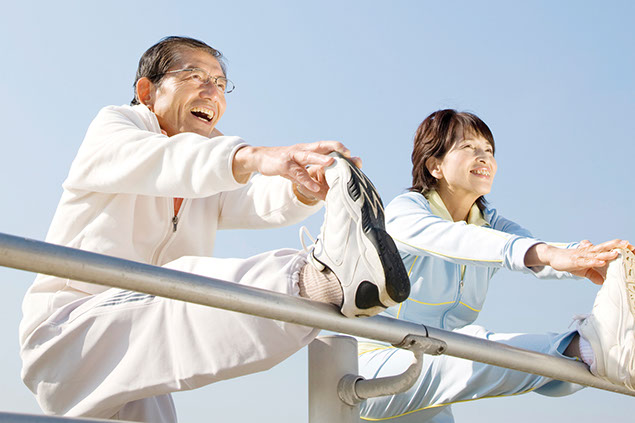
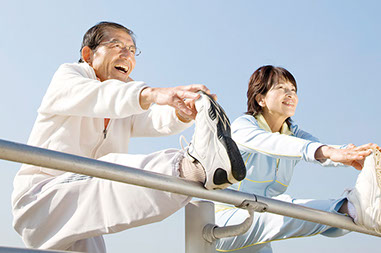
    Image of an older Asian couple stretching.

    Do you skip stretching after your workout because you don’t have time? This may be a mistake: stretching can have benefits for flexibility, range of motion, and blood flow to the muscles, according to the American Academy of Family Physicians. But to reap these rewards, stretching needs to be done correctly. Be sure you follow these tips:

    *Never stretch cold muscles.If you haven’t been moving, it’s not a good time to stretch. The best time is right after your workout, or at least after a 5-10 minute warm-up.

    *Don’t bounce.Use smooth, slow, controlled movements. Bouncing can actually harm muscles.

    *Breathe.Be sure you’re breathing in and out, and not holding your breath.

    *Hold it.A good stretch should last at least 30 seconds, and you may want to hold some for up to 60 seconds.

    *Stretch until you feel it, but don’t go too far.Stretching should feel good, not painful. If it hurts, back off the stretch until it’s comfortable, then hold.

    If you have a strained muscle, sprain, or other injury, talk with your doctor before stretching or starting any exercise. People with chronic conditions, such as diabetes, arthritis, and heart disease, should also seek their doctor’s advice on the safest exercises for them.

    © American Institute for Preventive Medicine

  • Move In Minutes

    SELF-CARE CORNER

    Image of business man walking while talking on the phone.

    Sitting for extended periods can raise the chances of developing cancer even for people who exercise regularly, says recent research. In response to these findings, fitness experts at The University of Texas MD Anderson Cancer Center share advice on how to get moving in minutes.

    “Taking just one- to two-minute breaks from sitting may help lower your cancer risk,” said Dr. Karen Basen-Engquist, professor in the Department of Behavioral Science. “That’s because even short spurts of movement can help minimize inflammation, insulin resistance, and long-term weight gain-all factors that make it harder for the body to fight off cancer.”

    Basen-Engquist, who uses a pedometer and tries to get at least 500 steps an hour, offers these tips to get moving-no matter how many minutes you can grab each day.

    Have 5 minutes? Stretch.

    Take breaks from sitting at work or home by standing up and stretching your back, forearms, wrists, legs, and hamstrings. Among the benefits: more energy, better circulation, and less muscle tension and stress.

    Have 10-15 minutes? Take a brisk walk.

    Head out during your lunchtime. Take walking meetings with coworkers. Plan a quick trip around the neighborhood. Walking helps maintain a healthier blood pressure, boosts metabolism, curbs stress, and possibly reduces breast and colorectal cancer risk.

    Just keep in mind that brisk walking yields more benefits than a casual stroll. So you should feel a little out of breath and feel your heart beating a little faster.

    Have 20-30 minutes? Tidy the house.

    Tidying up does more than limit couch time. It can also qualify as aerobic activity. To get your heart rate up, focus on repetitive activities that use large muscle groups, like the legs and back. This includes vacuuming, mopping, scrubbing, gardening, and even taking multiple trips upstairs to put away laundry.

    Have just 1-2 minutes? Take the stairs.

    Skip the elevator or escalator and take the stairs at work and when doing errands. Stairs get your heart pumping, build muscle, strengthen bones, and burn calories. The more often you take one step at a time, the bigger the payoff.

    © American Institute for Preventive Medicine
  • Stay In The Game

    SELF-CARE CORNER

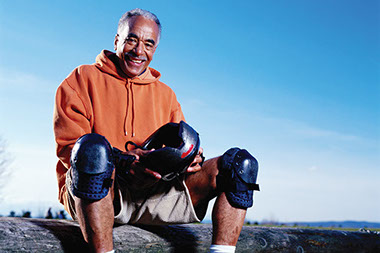
    Image of older man wearing knee pads while holding a helmet.

    Although many athletes understand the importance of keeping their muscles and bones healthy, it’s also important for them to take care of their skin. Sports equipment, especially protective helmets and pads, creates a warm, moist and dark environment for the germs that can cause skin infections to grow.

    “Athletes are at an increased risk of skin infection, which can have serious consequences and may take them-and their teammates-out of the game for days, weeks or months,” said dermatologist Jeffrey V. Benabio. “If athletes notice anything on their skin that itches, burns or may be infected, they should see a board-certified dermatologist or sports medicine doctor.”

    To help prevent skin infections, Dr. Benabio recommends that coaches, athletes, and athletic trainers follow these tips:

    *  Keep cuts and scrapes clean and covered with a bandage until healed. A cut or scrape weakens the skin’s defense and allows germs that cause infections to enter.

    *  Prevent blisters to reduce infections. Apply a pad, gel or spray to areas that routinely blister. To help prevent blisters on the feet, ankles and hands, consider using specialized gloves and socks or wearing two pairs of socks. Athletes should also make sure that their footwear fits properly.

    *  Wear moisture-wicking clothes. This helps keep the athlete’s skin dry and prevents germs from growing.

    *  Wear sandals in the locker room. Wearing sandals or other shoes helps reduce infections on the feet.

    *  Shower after every practice and game. In addition, athletes should use an antimicrobial soap and wash their entire body.

    *  Do not share personal care items. Athletes should always use a clean towel after showering and use their own towels, soaps, razors and other personal care items.

    *  Wash clothes and towels after each use. Sports bags should also be washed, as germs that cause infections can remain in the bags and grow.

    *  Disinfect equipment, including protective gear, daily. For proper disinfection, follow the manufacturers’ instructions.

    *  Perform regular skin checks. Athletes should check their skin daily, especially those in high-risk sports, such as wrestling. Look for any changes, such as cuts, sores, redness, swelling and pus, and report any changes to an athletic trainer or doctor.

    © American Institute for Preventive Medicine

  • The Aches Of Arthritis

    SELF-CARE CORNER

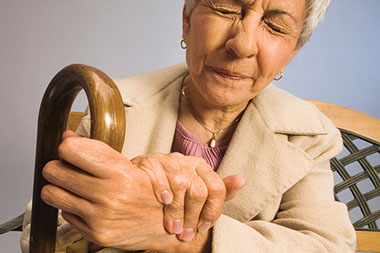
    Image of older women holding hand in pain.

    Feeling pain and stiffness in your joints? Wonder if it’s because you’re aging? Many people experience joint pain when they’re 45 to 50. It’s generally from arthritis-one of the most common diseases. “Arthr” means joint, and “itis” means inflammation.

    There are more than 100 types of arthritis. The most common is osteoarthritis (wear and tear on joints in the fingers, knees, and hips). And, yes, osteoarthritis can develop years after an injury to a joint.

    Rheumatoid arthritis can affect your whole body. It arises when your immune system mistakenly attacks your own joints bringing pain, swelling, stiffness, and loss of function.

    Arthritis can damage not only your joints but also internal organs and skin. Talk with your doctor about what you can do. Here are some ideas from the NIH News in Health:

    *  Try to stay at a healthy weight that’s normal for your height.

    *  Exercise. A trained health professional can show you how to move more easily if you have arthritis. Going for a walk every day will help, too.

    *  If you had a severe joint injury to a joint, protect it from getting injuried again.

    *  Don’t smoke. People who smoke are more likely to get rheumatoid arthritis, and their symptoms tend to be worse.

    *  Take your medicines when and how you are supposed to. They can help reduce pain and stiffness.

    *  Try taking a warm shower in the morning.

    © American Institute for Preventive Medicine