Tag: mood

  • Sleep Well, Be Well

    Sleep Well

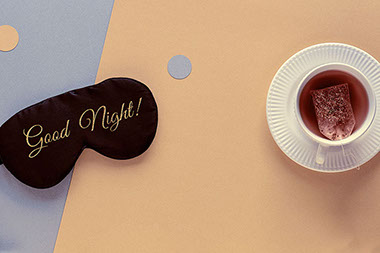
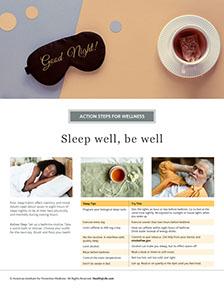
    A cup of tea and an eye mask with the word "Good Night!"

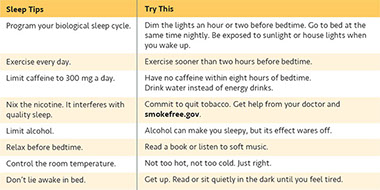
    Poor sleep habits affect memory and mood. Adults need about seven to eight hours of sleep nightly to be at their best physically and mentally during waking hours.

    Action Step: Set up a bedtime routine. Take a warm bath or shower. Choose your outfit for the next day. Brush and floss your teeth.

    © American Institute for Preventive Medicine

  • Managing Male Menopause

    Men’s Health

    Image of smiling couple laying down.

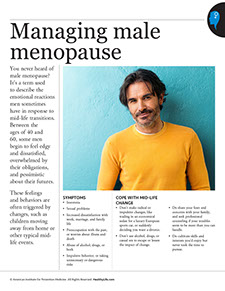
    You never heard of male menopause? It’s a term used to describe the emotional reactions men sometimes have in response to mid-life transitions. Between the ages of 40 and 60, some men begin to feel edgy and dissatisfied, overwhelmed by their obligations, and pessimistic about their futures.

    Typical symptoms include:

    *  Insomnia.

    *  Sexual problems.

    *  Increased dissatisfaction with work, marriage, and family life.

    *  Preoccupation with the past, or worries about illness and death.

    *  Abuse of alcohol, drugs, or both.

    *  Impulsive behavior, or taking unnecessary or dangerous risks.

    These feelings and behaviors are often triggered by changes, such as children moving away from home or other typical mid-life events.

    To cope with mid-life change:

    *  Don’t make radical or impulsive changes, like trading in an economical sedan for a luxury European sports car, or suddenly deciding you want a divorce.

    *  Don’t use alcohol, drugs, or casual sex to escape or lessen the impact of change.

    *  Do share your fears and concerns with your family, and seek professional counseling if your troubles seem to be more than you can handle.

    *  Do cultivate skills and interests you’d enjoy but never took the time to pursue.

    A Year of Health Hints book by the American Institute for Preventive Medicine. www.HealthyLife.com. All rights reserved.

    © American Institute for Preventive Medicine

  • Premenstrual Syndrome (Pms)

    Women’s Health

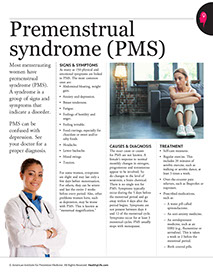
    Four out of 10 menstruating women have premenstrual syndrome (PMS). A syndrome is a group of signs and symptoms that indicate a disorder.

    Signs & Symptoms

    As many as 150 symptoms are linked to PMS. The most common ones are:

    *  Abdominal bloating. Weight gain.

    *  Anxiety. Depression.

    *  Breast tenderness.

    *  Fatigue.

    *  Feelings of hostility and anger.

    *  Feeling cranky.

    *  Food cravings, especially for chocolate or sweet and/or salty foods.

    *  Headache.

    *  Mood swings.

    *  Tension.

    For some women, symptoms are slight and may last only a few days before menstruation. For others, they can be severe and last the entire 2 weeks before every period. Also, other problems women have, such as depression, may be worse with PMS. This is known as “menstrual magnification.”

    Causes

    The exact cause or causes for PMS are not known. A female’s response to normal monthly changes in estrogen, progesterone, and testosterone appear to be involved. So do changes in the level of seratonin, a brain chemical. With PMS, symptoms must occur within 2 weeks before the menstrual period and go away shortly after the period begins. Symptoms are not present between days 4 and 12 of the menstrual cycle. True PMS usually stops with menopause.

    Treatment

    *  Self-care measures.

    *  Regular exercise. This includes 20 minutes of aerobic exercise, such as walking or aerobic dance, at least 3 times a week.

    *  Medications. These include:

    – A water pill called spironolactone.

    – An anti-anxiety medicine.

    – An antidepressant medicine, such as an SSRI (e.g., fluoxentine or sertraline). This is taken a week or 2 before the menstrual period.

    – Birth control pills.

    Questions to Ask

    Self-Care / Prevention

    *  Get emotional support.

    *  Do aerobic exercises. Swim. Walk. Bicycle.

    *  Rest. Take naps if you need to.

    *  Learn to relax. Try deep breathing. Meditate. Do yoga. Take a warm bath. Get a massage.

    *  Eat carbohydrate-rich foods. Examples are whole grain breads and cereals, fruits, and vegetables.

    *  Have good sources of calcium, such as skim milk, nonfat yogurt, collard greens, and kale. Choose cereals and juices that have added calcium. Get good sources of magnesium, too. These include spinach; other green, leafy vegetables; and whole grain cereals.

    *  Try to avoid stress when you have PMS.

    *  Limit or avoid caffeine, alcohol, and cigarettes 2 weeks before your period is due.

    *  Limit salt, fat, and sugar.

    *  If you need to satisfy a food craving, do so with a small serving. For example, if you crave chocolate, have a small chocolate bar or add chocolate syrup to skim milk. If you crave salt, eat a small bag of pretzels.

    *  The vitamin and minerals listed below seem to help some females with PMS. Ask your doctor if you should take any of them and in what amounts.

    – Calcium.

    – Magnesium.

    – Vitamin E.

    Resources

    National Women’s Health Information Center

    www.womenshealth.gov

    Women's Self-Care book by the American Institute for Preventive Medicine. www.HealthyLife.com. All rights reserved.

    © American Institute for Preventive Medicine

  • Depression

    Student Health

    Depression is the most common reason college students go to their school’s counseling service. Depression makes a person less able to manage life. It affects a person’s mood, mind, body, and behaviors.

    Signs & Symptoms

    The number and severity of the symptoms vary from person to person. A person who is depressed has one or more of the signs and symptoms listed below.

    *  Feeling sad, hopeless, and helpless.

    *  Feeling guilty and/or worthless.

    *  Thinking negative thoughts.

    *  Having a loss of interest in things, such as social activities, hobbies, and sex.

    *  Sleeping too little or too much.

    *  Fatigue or loss of energy.

    *  Problems concentrating or making decisions.

    *  Ongoing physical symptoms, such as headaches, chronic pain, or digestive problems that don’t respond to treatment.

    *  Uncontrollable crying.

    *  Poor appetite with weight loss, or overeating and weight gain.

    *  Thoughts of suicide or death.

    Causes & Risk Factors

    *  Major changes and stress that accompany college, including choosing career goals, leaving home, and the strain from trying to study and socialize at the same time.

    *  Obsessing about expenses.

    *  Abuse of alcohol, drugs, and some medications.

    *  Relationship changes, such as break ups, a family divorce, or the death of someone close.

    *  Brain chemical imbalances. Also, some types of depression run in families.

    *  Hormonal changes. This could be from taking birth control pills or using anabolic steroids which can cause changes in mood.

    *  Lack of natural, unfiltered sunlight between late fall and spring. This is called Seasonal Affective Disorder (SAD). It may only affect some people that are prone to this disorder.

    *  Holiday “blues.”

    Most likely, depression is caused by a mix of: A family history of the illness; brain chemical imbalances; emotional issues; and other factors, such as a medical illness or alcohol abuse.

    In some people, events like extreme stress and grief may cause depression. In others, depression occurs even when life is going well.

    Treatment

    Treatment includes medicines, psychotherapy, and other therapies that are specific to the cause of the depression. Exposure to bright lights (similar to sunlight) for depression that results from SAD can be helpful. {Note: Some antidepressant medicines can increase the risk for suicidal thoughts and behaviors, especially in children and adolescents. This risk may be higher within the first days to a month after starting the medicine. Persons who take antidepressants should be closely monitored.}

    Questions to Ask

    Self-Care / Prevention

    *  Take medications as prescribed. Get your doctor’s advice before you take over-the-counter herbs, such as St. John’s Wort, especially if you take other medications.

    *  Don’t use illegal drugs. Limit alcohol. These can cause or worsen depression. Drugs and alcohol can also make medicines for depression less effective. Harmful side effects can occur when drugs and/or alcohol are mixed with medicine.

    *  Eat healthy foods. Eat at regular times.

    *  Get regular exercise.

    *  Talk to someone who will listen to the tensions and frustrations you are feeling.

    *  Try not to isolate yourself. Be with people you trust and feel safe with, even though you feel down.

    *  Do things you enjoy. Do something that lets you express yourself. Draw. Paint. Write your thoughts in a diary or journal.

    *  Relax. Listen to soft music, take a warm bath or shower. Do relaxation exercises.

    *  Avoid stressful situations or taking on added commitments when you feel depressed.

    *  Keep an emergency number handy (e.g., crisis hotline, trusted friend’s number, etc.) in case you feel desperate.

    Feeling better takes time. Don’t expect to just “snap out” of your depression.

    To Help A Friend Who Is Depressed

    *  Help your friend get an appropriate diagnosis. Make an initial appointment with a professional and offer to take your friend.

    *  Do not ignore remarks about suicide. Report them, immediately, to a student advisor, teacher, or health care provider.

    *  Be aware of the type of medication your friend needs to take and when it should be taken. If necessary, alert your friend’s health care provider about any side effects that you notice.

    *  Be supportive. Depression is no different from any other physical illness. It requires patience, understanding, love, and encouragement. Encourage your friend to continue with treatment and to see his or her health care provider if there is no improvement.

    *  Listen with care. Point out your friend’s successes and attributes when he or she feels worthless, helpless, or down about the future. Helping your friend see previous successes can help give the confidence needed to continue with treatment. Your friend doesn’t need you to tell him or her what to do. Listening is very helpful.

    *  Encourage your friend to go out and do things with you or with others, such as to see a movie or to do things your friend enjoyed in the past. Don’t push, though, or make too many demands.

    *  Seek support from organizations that deal with depression.

    Resources

    Your school’s Student Counseling Service or Student Mental Health Service. (Normally, these services are no cost to you.)

    International Foundation for Research and Education on Depression (IFRED)

    www.ifred.org

    Mental Health America (MHA)

    800.969.6642

    www.mentalhealthamerica.net

    National Mental Health Consumers’ Self-Help Clearinghouse

    800.553.4539

    www.mhselfhelp.org
    Student Self-Care book by the American Institute for Preventive Medicine. www.HealthyLife.com. All rights reserved.

    © American Institute for Preventive Medicine

  • Depression 2

    Women’s Health

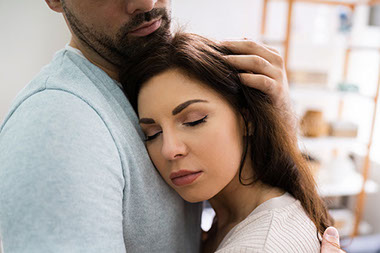
    Close up of women's face as she leans on man chest for support.

    Depression is a state of sadness and despair. Like diabetes, depression is a real medical illness. A person with depression may seek help for other problems, such as insomnia or extreme fatigue.

    Signs & Symptoms

    *  Feeling sad, hopeless, helpless, and/or worthless.

    *  Fatigue. Loss of interest in life.

    *  Having a hard time concentrating or making decisions.

    *  Changes in eating and sleeping patterns.

    *  Feeling easily annoyed, angry, or anxious.

    *  Thoughts of suicide or death.

    The number of symptoms and how severe they are vary from person to person.

    Causes

    Most likely, depression is caused by a mix of: A family history of the illness; brain chemical problems; emotional issues; and other factors, such as a medical illness or alcohol abuse.

    Another cause is seasonal affective disorder (SAD). With this, depression occurs between late fall and early spring due to a lack of natural sunlight.

    In some persons, extreme stress, trauma, grief, etc. may bring on depression. In others, depression occurs even when life is going well.

    In general, depression is noted twice as often in women than in men in part due to hormonal changes women undergo:

    *  Premenstrually, during menopause, or when taking medicines with hormones.

    *  During and especially after childbirth or when a woman stops breastfeeding.

    *  After having a miscarriage.

    *  With health conditions that affect a woman’s hormones, such as some ovarian cysts, endometriosis, etc.

    Other life circumstances unique to women may increase risk of depression, such as cultural stressors and higher rates of sexual or physical abuse.

    Treatment

    Whatever the cause, depression can be treated. Treatment includes medication(s), counseling, and self-care measures. Exposure to bright lights similar to sunlight can treat depression caused by SAD.

    A doctor should be seen for diagnosis and treatment.

    Questions to Ask

    Self-Care / Prevention

    *  Take medications as prescribed. Get your doctor’s advice before you take over-the-counter herbs, like St. John’s Wort, especially if you take other medications.

    *  Don’t use illegal drugs. Limit alcohol. These can cause or worsen depression. Drugs and alcohol can also make medicines for depression less effective. Harmful side effects can happen when alcohol and/or drugs are mixed with medicine.

    *  Eat healthy foods. Eat at regular times. Don’t skip meals or binge on junk food. Limit caffeine and sugary foods.

    *  Try not to isolate yourself. Be with people you feel safe with even though you feel down.

    *  Do something you enjoy. Do things that let you express yourself. Write, paint, etc.

    *  Exercise regularly.

    *  Relax. Listen to soft music, take a warm bath or shower. Do relaxation exercises. Meditation can help you deal with depression.

    *  Keep an emergency number handy (e.g., crisis hotline, trusted friend’s number, etc.) in case you feel desperate.

    Resources

    Women's Self-Care book by the American Institute for Preventive Medicine. www.HealthyLife.com. All rights reserved.

    © American Institute for Preventive Medicine

  • Address Depression

    Healthylife® Weigh

    Part 6

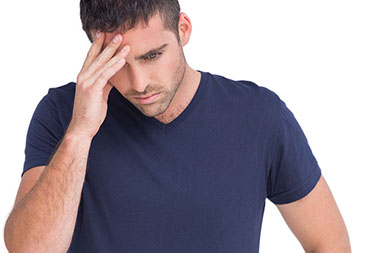
    Man coping with depression.

    Signs & Symptoms

    *  Feeling sad, hopeless, helpless, and/or worthless

    *  Fatigue

    *  Loss of interest in daily activities, including sex

    *  Change in eating and sleeping patterns

    *  Anger, anxiety, or irritability

    *  Having a hard time concentrating or making decisions

    *  Thoughts of suicide or death

    Strategy

    *  Accept thoughts as they are. Focus on your response, rather than trying to shoo away the emotion.

    *  Be with and call relatives and friends who lift your morale and make you laugh.

    *  Do something to help someone else.

    *  Keep up with your regular exercise.

    *  Do something different. Walk or drive to someplace new.

    *  Challenge yourself with a new project. It doesn’t have to be difficult, but it should be enjoyable.

    *  Watch a funny TV show or movie.

    *  Reflect on your expectations and make adjustments –  it takes a long time to change habits and feel the new habits are “normal.”

    *  Change your clothes. Take a shower. Do small self-care activities.

    If you feel depressed for two weeks or longer, see a doctor.

    For a screening test for depression, contact:

    Mental Health America

    800-969-6642

    www.mhanational.org

    © American Institute for Preventive Medicine