Tag: motivation

  • Stop Making Excuses

    Fitness

    Take control of your health.

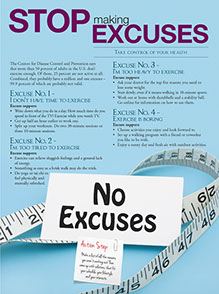
    The Centers for Disease Control and Prevention says that more than 50 percent of adults in the U.S. don’t exercise enough. Of those, 25 percent are not active at all. Combined, they probably have a million and one excuses – 99.9 percent of which are probably not valid.

    Excuse No. 1 – I don’t have time to exercise.

    Excuse zappers:

    *  Write down what you do in a day. How much time do you spend in front of the TV? Exercise while you watch TV.

    *  Get up half an hour earlier to work out.

    *  Split up your workouts. Do two 30-minute sessions or three 10-minute sessions.

    Excuse No. 2 – I’m too tired to exercise.

    Excuse zappers:

    *  Exercise can relieve sluggish feelings and a general lack of energy.

    *  Something as easy as a brisk walk may do the trick.

    *  Do yoga or tai chi to feel physically and mentally refreshed.

    Excuse No. 3 – I’m too heavy to exercise.

    Excuse zappers:

    *  Ask your doctor for the top five reasons you need to lose some weight.

    *  Start slowly, even if it means walking in 10-minute spurts.

    *  Work out at home with dumbbells and a stability ball. Go online for information on how to use them.

    Excuse No. 4 – Exercise is boring.

    Excuse zappers:

    *  Choose activities you enjoy and look forward to.

    *  Set up a walking program with a friend or coworker you like to be with.

    *  Enjoy a sunny day and fresh air with outdoor activities.

    Action Step

    Make a list of all the reasons you aren’t working out. Then come up with solutions that fit your schedule, your lifestyle, and your interests.
    Page image from the Ways to Well-Being book by the American Institute for Preventive Medicine. www.HealthyLife.com. All rights reserved.

    © American Institute for Preventive Medicine
  • Create A Home Gym

    BE FIT

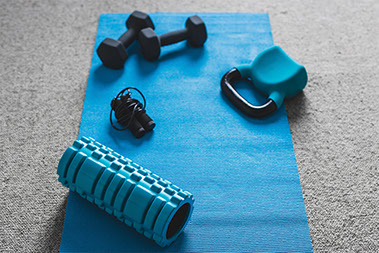
    Workout equipment for the home.

    Going to the gym can be expensive in terms of both money and time. Instead of spending all that money on a membership, why not invest in equipment you can use for years without having to leave your house?

    You don’t need fancy machines to create a functional home gym. And you don’t even need much space. These items can fit anywhere and will challenge your body to get stronger and healthier.

    Resistance bands:Get a set that offers low, medium, and high resistance for a variety of challenges.

    Kettlebells:Choose a 6 kg (13 pounds) kettlebell for women or an 8 kg (18 pounds) kettlebell for men.

    Step platform or box:A step platform or box will allow you to do step-ups, jump-ups, and other types of movements that get you in the cardio zone.

    Exercise ball:This inflatable ball adds variety to your workouts and is easy to store.

    Jump rope:If jumping is safe for you, a jump rope is an ideal piece of cardio equipment.

    Source: National Library of Medicine

    © American Institute for Preventive Medicine
  • Encourage Exercise In Others

    BE FIT

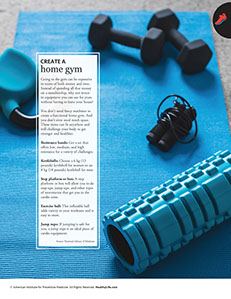
    Image of man and women doing pushups.

    Sticking to an exercise routine can be hard. But sometimes getting support from another person can help you get started. If you’ve been able to work out regularly, you can help a loved one do the same. Be a positive force in their life by supporting them, not forcing them. Try these strategies that can encourage them without pressure.

    *  Make it doable. Don’t suggest signing up for difficult classes or workouts right away. A walk in the evening or doing push-ups while watching TV can be less overwhelming.

    *  Try something new. A new walking route, different stretches or a fun strength program may help them get motivated. Get away from the same old routine that may not have worked in the past.

    *  Let them pick. See if they are interested in any local exercise classes or programs – and go with them.

    *  Plan a meetup time. Many people find exercising right after work is helpful. This may be easier than trying to go back out after you’ve come home to relax. Some people are able to stick to a lunchtime walk if they work in the same place.

    *  Be consistent. Try to make your exercise routine a regular part of your week. For instance, two times each week is a doable but consistent way to start.

    *  Be an early riser. If the person lives with you, see if you both can get up 30 minutes earlier for a walk first thing in the morning.

    *  Ditch the car when you can. If the store or coffee shop is close by, you can walk or bike there together.

    *  See things from their point of view. It’s hard to get started with exercise. Try to understand how challenging it can be. Ask them how you can best support them.

    A positive mindset

    When it comes to exercise, the mind is as important as the body. When starting a new healthy habit or helping someone else, remember to:

    *  Celebrate small efforts. Be happy about seeing an improvement – no matter how small – in strength or fitness level.

    *  Don’t let setbacks take over. If you miss a week or even two, get back to it. Tell the person you’re not giving up, and help them try again.

    Remember that every little bit of exercise is a step in the right direction!

    Source: U.S. Department of Health and Human Services

    © American Institute for Preventive Medicine
  • Exercising When The Days Are Short

    BE FIT

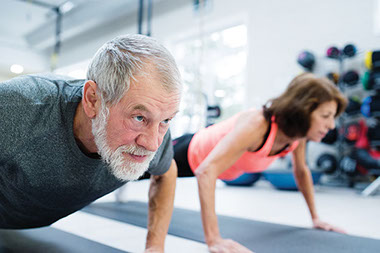
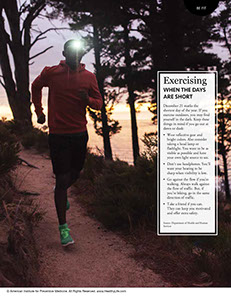
    Man running at dusk with head light.

    December 21 marks the shortest day of the year. If you exercise outdoors, you may find yourself in the dark. Keep these things in mind if you go out at dawn or dusk:

    *  Wear reflective gear and bright colors. Also consider taking a head lamp or flashlight. You want to be as visible as possible and have your own light source to see.

    *  Don’t use headphones. You’ll want your hearing to be sharp when visibility is low.

    *  Go against the flow if you’re walking. Always walk against the flow of traffic. But, if you’re biking, go in the same direction of traffic.

    *  Take a friend if you can. They can keep you motivated and offer extra safety.

    Source: Department of Health and Human Services

    © American Institute for Preventive Medicine

  • Find The Energy To Exercise

    BE FIT

    Image of athletic shoes and a bottle of water.

    Too tired to work out? Try these tips to boost energy and get moving.

    1.  Move around. At work, try to switch between sitting and standing. Doing too much of one or the other may leave you feeling drained.

    2.  Sip lots of water. Starting in the morning, drink water and keep drinking it throughout the day. This can keep energy levels from sinking in the afternoon.

    3.  Eat healthy carbs. Choose whole grains, fruits and vegetables, such as carrots.

    4.  Watch your breathing. Slow, deep breaths can relax and energize you throughout the day.

    © American Institute for Preventive Medicine
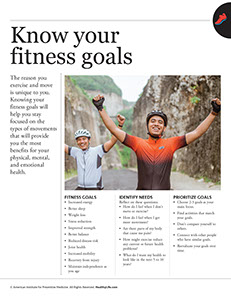
  • Know Your Fitness Goals

    BE FIT

    Two men with hands in the air sitting on bikes.

    The reason you exercise and move is unique to you. Knowing your fitness goals will help you stay focused on the types of movements that will provide you the most benefits for your physical, mental, and emotional health.

    Fitness goals

    *  Increased energy

    *  Better sleep

    *  Weight loss

    *  Stress reduction

    *  Improved strength

    *  Better balance

    *  Reduced disease risk

    *  Joint health

    *  Increased mobility

    *  Recovery from injury

    *  Maintain independence as you age

    Identify needs

    Reflect on these questions:

    *  How do I feel when I don’t move or exercise?

    *  How do I feel when I get more movement?

    *  Are there parts of my body that cause me pain?

    *  How might exercise reduce any current or future health problems?

    *  What do I want my health to look like in the next 5 to 10 years?

    Prioritize goals

    *  Choose 2-3 goals as your main focus.

    *  Find activities that match your goals.

    *  Don’t compare yourself to others.

    *  Connect with other people who have similar goals.

    *  Reevaluate your goals over time.

    © American Institute for Preventive Medicine
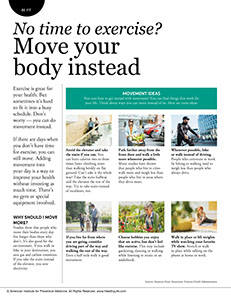
  • No Time To Exercise? Move Your Body Instead

    BE FIT

    Father and son walking the dog.

    Exercise is great for your health. But sometimes it’s hard to fit it into a busy schedule. Don’t worry – you can do movement instead.

    If there are days when you don’t have time for exercise, you can still move. Adding movement into your day is a way to improve your health without investing as much time. There’s no gym or special equipment involved.

    Why should I move more?

    Studies show that people who move their bodies every day live longer than those who don’t. It’s also good for the environment. If you walk or bike to your destination, you save gas and carbon emissions. If you take the stairs instead of the elevator, you save electricity.

    Movement ideas

    Not sure how to get started with movement? You can find things that work for your life. Think about ways you can move instead of sit. Here are some ideas:

    *Avoid the elevator and take the stairs if you can.You can burn calories two to three times faster climbing stairs than walking briskly on flat ground. Can’t take it the whole way? Take the stairs halfway and the elevator the rest of the way. Try to take stairs instead of escalators, too.

    *Park farther away from the front door and walk a little more whenever possible.Many studies have shown that people who live in cities walk more and weigh less than people who live in areas where they drive more.

    *Whenever possible, bike or walk instead of driving.People who commute to work by biking or walking tend to weigh less than people who always drive.

    *If you live far from where you are going, consider driving part of the way and walking the rest of the way.Even a half-mile walk is good movement.

    *Choose hobbies you enjoy that are active, but don’t feel like exercise.This may include gardening, dancing or walking while listening to music or an audiobook.

    *Walk in place or lift weights while watching your favorite TV show.Stretch or walk in place while talking on the phone at home or work.

    Sources: American Heart Association, Veterans Health Administration

    © American Institute for Preventive Medicine
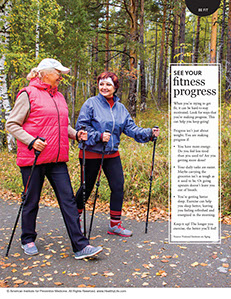
  • See Your Fitness Progress

    BE FIT

    Two women walking with walking sticks.

    When you’re trying to get fit, it can be hard to stay motivated. Look for ways that you’re making progress. This can help you keep going!

    Progress isn’t just about weight. You are making progress if:

    *  You have more energy. Do you feel less tired than you used to? Are you getting more done?

    *  Your daily tasks are easier. Maybe carrying the groceries isn’t as tough as it used to be. Or going upstairs doesn’t leave you out of breath.

    *  You’re getting better sleep. Exercise can help you sleep better, leaving you feeling refreshed and energized in the morning.

    Keep it up! The longer you exercise, the better you’ll feel!

    Source: National Institute on Aging

    © American Institute for Preventive Medicine

  • Too Tired To Exercise?

    BE FIT

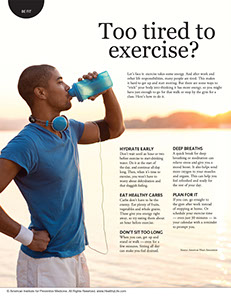
    Man standing by a body of water drinking out of a water bottle.

    Let’s face it: exercise takes some energy. And after work and other life responsibilities, many people are tired. This makes it hard to get up and start moving. But there are some ways to “trick” your body into thinking it has more energy, so you might have just enough to go for that walk or stop by the gym for a class. Here’s how to do it.

    Hydrate early

    Don’t wait until an hour or two before exercise to start drinking water. Do it at the start of the day, and continue all day long. Then, when it’s time to exercise, you won’t have to worry about dehydration and that sluggish feeling.

    Eat healthy carbs

    Carbs don’t have to be the enemy. Eat plenty of fruits, vegetables and whole grains. These give you energy right away, so try eating them about an hour before exercise.

    Don’t sit too long

    When you can, get up and stand or walk – even for a few minutes. Sitting all day can make you feel drained.

    Deep breaths

    A quick break for deep breathing or meditation can relieve stress and give you a mood boost. It also helps send more oxygen to your muscles and organs. This can help you feel refreshed and ready for the rest of your day.

    Plan for it

    If you can, go straight to the gym after work instead of stopping at home. Or schedule your exercise time – even just 30 minutes – in your calendar with a reminder to prompt you.

    Source: American Heart Association

    © American Institute for Preventive Medicine

  • Start A Walking Group

    BE FIT

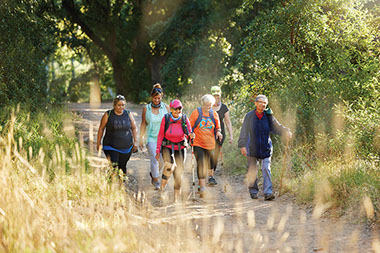
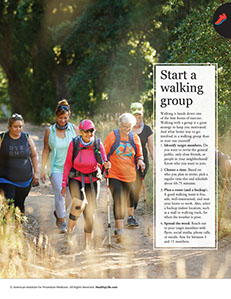
    Group of friends walking on a trail.

    Walking is hands down one of the best forms of exercise. Walking with a group is a great strategy to keep you motivated. And what better way to get involved in a walking group than to start one yourself!

    1. Identify target members. Do you want to invite the general public, only close friends, or people in your neighborhood? Know who you want to join.

    2. Choose a time. Based on who you plan to invite, pick a regular time slot and schedule about 60-75 minutes.

    3. Plan a route (and a backup). A good walking route is free, safe, well-maintained, and near your home or work. Also, select a backup indoor location, such as a mall or walking track, for when the weather is poor.

    4. Spread the word. Reach out to your target members with flyers, social media, phone calls, or emails. Aim for between 5 and 15 members.

    © American Institute for Preventive Medicine