Tag: mouthwash

  • Bad Breath

    Dental & Mouth Concerns

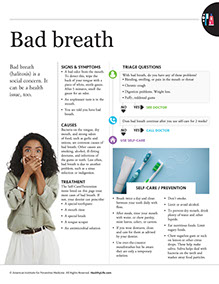
    Image of man holding hands over mouth.

    Bad breath (halitosis) is a social concern. It can be a health issue, too.

    Signs & Symptoms

    *  A bad odor from the mouth. To detect this, wipe the back of your tongue with a piece of white, sterile gauze. After 5 minutes, smell the gauze for an odor.

    *  An unpleasant taste is in the mouth.

    *  You are told you have bad breath.

    Causes

    Bacteria on the tongue, dry mouth, and strong odors of food, such as garlic and onions, are common causes of bad breath. Other causes are smoking, alcohol, ill-fitting dentures, and infections of the gums or teeth. Less often, bad breath is due to another problem, such as a sinus infection or indigestion.

    Treatment

    TheSelf-Care/Preventionitems listed on this page treat most cases of bad breath. If not, your dentist can prescribe:

    *  A special toothpaste.

    *  A mouth rinse.

    *  A special brush.

    *  A tongue scraper.

    *  An antimicrobial solution.

    Questions to Ask

    Self-Care / Prevention

    *  Practice good oral hygiene.

    *  If you wear dentures, clean and care for them as advised by your dentist.

    *  Don’t smoke. Limit or avoid alcohol.

    *  To prevent dry mouth, drink plenty of water and other liquids.

    *  Use a baking soda toothpaste. Brush your teeth and tongue. Do this after all meals, if you can. If not, rinse your mouth with water, chew parsley, mint leaves, celery, or carrots after meals.

    *  Don’t rely on mouthwash or mints. They mask bad breath and help cause it, because they dry out the mouth. Try chlorophyll tablets.

    *  Eat at regular times. Eat nutritious foods. Limit sugary foods.

    *  Chew sugarless gum or suck on lemon or other citrus drops. These help make saliva. Saliva helps deal with bacteria on the teeth and washes away food particles.
    Healthier at Home book by the American Institute for Preventive Medicine. www.HealthyLife.com. All rights reserved.

    © American Institute for Preventive Medicine
  • The Right Way To Use Mouthwash

    Dental & Mouth Concerns

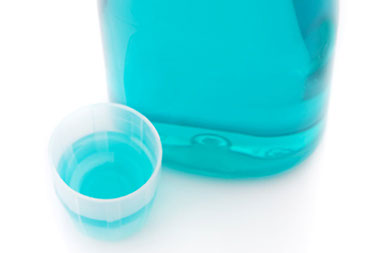
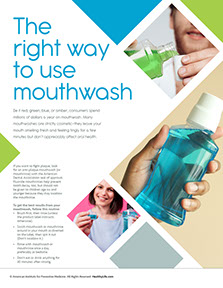
    Image of blue mouthwash.

    Be it red, green, blue, or amber, consumers spend millions of dollars a year on mouthwash. Many mouthwashes are strictly cosmetic-they leave your mouth smelling fresh and feeling tingly for a few minutes but don’t appreciably affect oral health. If you want to fight plaque, look for mouthwash containing cetylpridinium chloride or domiphen bromide, ingredients that dissolve this troublesome film of bacterial goo. If you want to fight cavities (especially cavities that form between teeth, where your toothbrush can’t reach), look for an anti-plaque, anti-gingivitis mouthrinse. Fluoride mouthrinses help prevent tooth decay, too, but should not be given to children age six and younger because they may swallow the mouthrinse.

    To get the best results from your mouthwash, follow this routine.

    *  Brush first, then rinse (unless the product label instructs otherwise).

    *  Swish mouthwash or mouthrinse around in your mouth as directed on the label, then spit it out. (Don’t swallow it.)

    *  Rinse with mouthwash or mouthrinse once a day, preferably at bedtime.

    *  Don’t eat or drink anything for 30 minutes after rinsing.

    A Year of Health Hints book by the American Institute for Preventive Medicine. www.HealthyLife.com. All rights reserved.

    © American Institute for Preventive Medicine
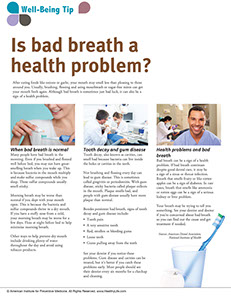
  • Is Bad Breath A Health Problem?

    WELL-BEING

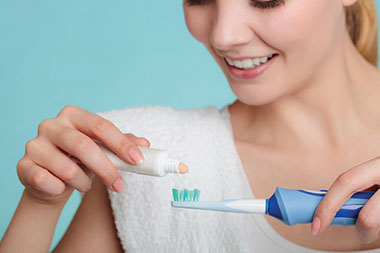
    Image of women placing tooth paste on tooth brush.

    After eating foods like onions or garlic, your mouth may smell less than pleasing to those around you. Usually, brushing, flossing and using mouthwash or sugar-free mints can get your mouth fresh again. Although bad breath is sometimes just bad luck, it can also be a sign of a health problem.

    When bad breath is normal

    Many people have bad breath in the morning. Even if you brushed and flossed well before bed, you may not have great-smelling breath when you wake up. This is because bacteria in the mouth multiply and make sulfur compounds while you sleep. These sulfur compounds usually smell stinky.

    Morning breath may be worse than normal if you slept with your mouth open. This is because the bacteria and sulfur compounds thrive in a dry mouth. If you have a stuffy nose from a cold, your morning breath may be worse for a few days. Floss at night before bed to help minimize morning breath.

    Other ways to help prevent dry mouth include drinking plenty of water throughout the day and avoid using tobacco products.

    Tooth decay and gum disease

    Tooth decay, also known as cavities, can smell bad because bacteria can live inside the holes or cavities in the teeth.

    Not brushing and flossing every day can lead to gum disease. This is sometimes called gingivitis or periodontitis. With gum disease, sticky bacteria called plaque collects in the mouth. Plaque smells bad, and people with gum disease usually have more plaque than normal.

    Besides persistent bad breath, signs of tooth decay and gum disease include:

    *  Tooth pain

    *  A very sensitive tooth

    *  Red, swollen or bleeding gums

    *  Loose teeth

    *  Gums pulling away from the teeth

    See your dentist if you notice these problems. Gum disease and cavities can be treated, but it’s better if you catch these problems early. Most people should see their dentist every six months for a checkup and cleaning.

    Health problems and bad breath

    Bad breath can be a sign of a health problem. If bad breath continues despite good dental care, it may be a sign of a sinus or throat infection. Breath that smells fruity or like rotten apples can be a sign of diabetes. In rare cases, breath that smells like ammonia or rotten eggs can be a sign of a serious kidney or liver problem.

    Your breath may be trying to tell you something. See your dentist and doctor if you’re concerned about bad breath so you can find out the cause and get treatment if needed.

    Sources: American Dental Association, National Institutes of Health

    © American Institute for Preventive Medicine