Tag: Movement & Mobility

  • Walk For Well-Being

    Fitness

    Mother and daughter walking.

    You already know that walking and other physical activities help prevent and manage arthritis, diabetes, heart disease, and high blood pressure. Get these benefits from walking, too:

    *  Relieve tension and stress.

    *  Get more energy.

    *  Improve balance and lower the risk for falling.

    *  Get better sleep.

    *  Boost you overall mood.

    Walking briskly at 3 miles per hour is a great way for adults to get 150 minutes of moderate-intensity physical activity a week (30 minutes a day). Children need 60 minutes of physical activity a day.

    *  Plan walking into your daily / weekly schedules. Split 30 minutes into two 15-minute or three 10-minute sessions.

    *  Wear a good pair of walking shoes that fit well and absorb shock. Look straight ahead when you walk.

    *  Don’t make the excuse that you have no time to exercise.

    *  Don’t text while you are walking. Don’t listen to music if it hinders hearing sounds around you.

    Page from HealthyLife Weigh book by the American Institute for Preventive Medicine. www.HealthyLife.com. All rights reserved.

    © American Institute for Preventive Medicine

  • Different Shoes For Different Sports

    BE FIT

    Pair of shoes with apple and water bottle.

    If you play sports, shoes are important. Wearing the wrong shoes can sideline you with foot injuries and pain. Follow these guidelines to keep feet happy.

    Basketball, tennis and volleyball shoes should have:

    *  A thick, stiff sole that absorbs impact

    *  High ankle construction for quick changes in direction

    *  Lighter weight with a sole designed for quick starts and stops

    Soccer shoes should have:

    *  A good quality footbed to support your arch type

    *  The correct stud type for the ground you play on: soft, hard, firm or turf

    *  Molded rubber cleats

    Football and lacrosse shoes should have:

    *  High ankle support, especially for linemen and players who move side to side

    *  Good traction on a grassy field in wet and dry conditions

    *  Proper fit – don’t use hand-me-downs

    Baseball and softball shoes should have:

    *  Support to prevent arch pain

    *  No metal baseball spikes for athletes younger than 13

    *  Multi-cleats for children ages 11-15

    Running shoes should have:

    *  Good shock absorption for high-impact forward motion (not side motion)

    *  The right arch type for you (high, medium, low)

    Source: American Podiatric Medical Association

    © American Institute for Preventive Medicine

  • Move For Mental Health

    BE FIT

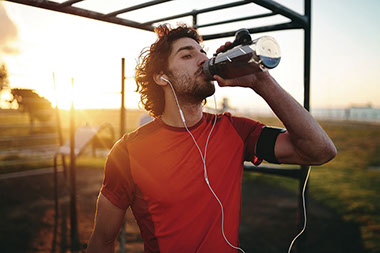
    Man in workout clothes, drinking water with headphones on.

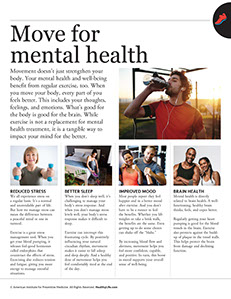
    Movement doesn’t just strengthen your body. Your mental health and well-being benefit from regular exercise, too. When you move your body, every part of you feels better. This includes your thoughts, feelings, and emotions. What’s good for the body is good for the brain. While exercise is not a replacement for mental health treatment, it is a tangible way to impact your mind for the better.

    Reduced stress

    We all experience stress on a regular basis. It’s a normal and unavoidable part of life. But how we manage stress can mean the difference between a peaceful mind or one in turmoil.

    Exercise is a great stress management tool. When you get your blood pumping, it releases feel-good hormones called endorphins that counteract the effects of stress. Exercising also reduces tension and fatigue, giving you more energy to manage stressful situations.

    Better sleep

    When you don’t sleep well, it’s challenging to manage your body’s stress response. And when you don’t manage stress levels well, your body’s stress response makes it difficult to sleep.

    Exercise can interrupt this frustrating cycle. By positively influencing your natural circadian rhythm, movement makes it easier to fall asleep and sleep deeply. And a healthy dose of movement helps you feel comfortably tired at the end of the day.

    Improved mood

    Most people report they feel happier and in a better mood after exercise. And you don’t have to be a runner to feel the benefits. Whether you lift weights or take a brisk walk, the benefits are the same. Even getting up to do some chores can shake off the “blahs.”

    By increasing blood flow and alertness, movement helps you feel more confident, capable, and positive. In turn, this boost in mood supports your overall sense of well-being.

    Brain Health

    Mental health is directly related to brain health. A well-functioning, healthy brain thinks, feels, and copes better.

    Regularly getting your heart pumping is good for the blood vessels in the brain. Exercise also protects against the build-up of plaque in the vessel walls. This helps protect the brain from damage and declining function.

    © American Institute for Preventive Medicine

  • Walk For Wellness

    Fitness

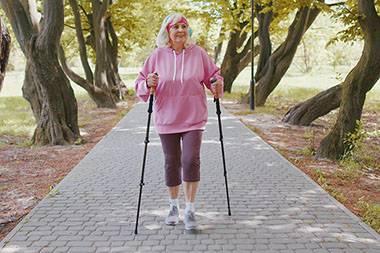
    Older women on a walk and using walking sticks.

    Many of us take it for granted, but walking does more than take us from one point to another. It’s an aerobic exercise that can improve your physical and emotional health. Walking can lower your risk of, and help manage, heart disease, diabetes, depression, and sleep issues, and can help you maintain a healthy weight.

    And best of all? It doesn’t require a gym membership or expensive equipment. Indoors or out, walking is a positive step towards living a healthier life.

    Page from HealthyLife Weigh book by the American Institute for Preventive Medicine. www.HealthyLife.com. All rights reserved.

    © American Institute for Preventive Medicine

  • Encourage Exercise In Others

    BE FIT

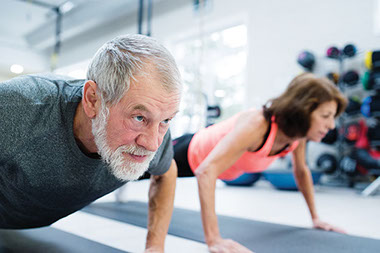
    Image of man and women doing pushups.

    Sticking to an exercise routine can be hard. But sometimes getting support from another person can help you get started. If you’ve been able to work out regularly, you can help a loved one do the same. Be a positive force in their life by supporting them, not forcing them. Try these strategies that can encourage them without pressure.

    *  Make it doable. Don’t suggest signing up for difficult classes or workouts right away. A walk in the evening or doing push-ups while watching TV can be less overwhelming.

    *  Try something new. A new walking route, different stretches or a fun strength program may help them get motivated. Get away from the same old routine that may not have worked in the past.

    *  Let them pick. See if they are interested in any local exercise classes or programs – and go with them.

    *  Plan a meetup time. Many people find exercising right after work is helpful. This may be easier than trying to go back out after you’ve come home to relax. Some people are able to stick to a lunchtime walk if they work in the same place.

    *  Be consistent. Try to make your exercise routine a regular part of your week. For instance, two times each week is a doable but consistent way to start.

    *  Be an early riser. If the person lives with you, see if you both can get up 30 minutes earlier for a walk first thing in the morning.

    *  Ditch the car when you can. If the store or coffee shop is close by, you can walk or bike there together.

    *  See things from their point of view. It’s hard to get started with exercise. Try to understand how challenging it can be. Ask them how you can best support them.

    A positive mindset

    When it comes to exercise, the mind is as important as the body. When starting a new healthy habit or helping someone else, remember to:

    *  Celebrate small efforts. Be happy about seeing an improvement – no matter how small – in strength or fitness level.

    *  Don’t let setbacks take over. If you miss a week or even two, get back to it. Tell the person you’re not giving up, and help them try again.

    Remember that every little bit of exercise is a step in the right direction!

    Source: U.S. Department of Health and Human Services

    © American Institute for Preventive Medicine

  • Up Your Vo2 Max

    BE FIT

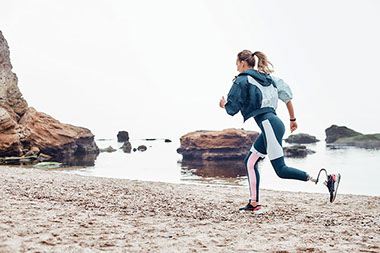
    VO2 max measures how much oxygen your body uses when working at a high level of exercise.

    A high VO2 max indicates good cardiovascular fitness, while a low VO2 max means you should consider moving your body more. You don’t have to become an elite athlete. Even a small increase in fitness has significant health benefits. If your doctor clears you to do aerobic exercise, try these workouts to increase VO2 max.

    Interval training:This involves alternating short periods of moderate to high-intensity aerobic exercise with short periods of low-intensity exercise. Alternate 3 minutes of moderate/high-intensity with 2 minutes of low-intensity for 30 minutes.

    High-intensity training:This is a form of interval training that uses short, intense bouts of exercise at your max, followed by a longer rest period.

    Steady-state training:This type of training is long bouts of cardio at a pace you can maintain for at least 30 minutes. Your heart rate should be elevated, but you should still be able to carry on a conversation.

    © American Institute for Preventive Medicine

  • Working In Exercise While At Work

    Fitness

    Move more, even when you sit.

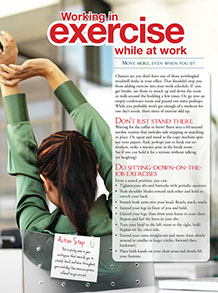
    Chances are you don’t have one of those newfangled treadmill desks in your office. That shouldn’t stop you from adding exercise into your work schedule. If you get breaks, use them to march up and down the stairs or walk around the building a few times. Or, go into an empty conference room and pound out some pushups. While you probably won’t get enough of a workout for one day’s needs, short stints of exercise add up.

    Don’t just stand there.

    Waiting for the coffee to brew? Burst into a 60-second aerobic routine that includes side stepping or marching in place. Or, squat and stand as the copy machine spits out your papers. And, perhaps just to freak out co-workers, strike a warrior pose in the break room. See if you can hold it for a minute without talking (or laughing).

    Do sitting-down-on-the-job exercises.

    Women sitting at desk, stretching arms above her head.

    From a seated position, you can:

    *  Tighten your abs and buttocks with periodic squeezes.

    *  Push shoulder blades toward each other and hold to stretch your back.

    *  Stretch both arms over your head. Reach, reach, reach.

    *  Extend your legs in front of you and hold.

    *  Extend your legs, than draw your knees to your chest. Repeat and feel the burn in your abs.

    *  Turn your head to the left, torso to the right, hold. Repeat on the other side.

    *  Extend your arms straight out and move them slowly around in smaller to larger circles, forward then backward.

    *  Place both hands on your chair arms and slowly lift your bottom.

    Action Step

    Put a sticky note in your workspace that reminds you to stretch, bend, and move throughout your workday. Use exercise options offered to you at work.

    Page image from Ways to Well-Being book by the American Institute for Preventive Medicine. www.HealthyLife.com. All rights reserved.

    © American Institute for Preventive Medicine

  • Exercise To Lower Blood Sugar

    BE FIT

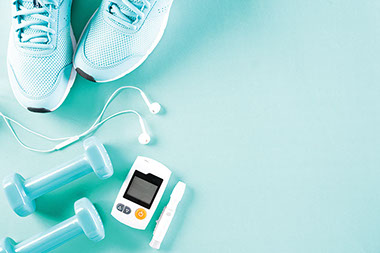
    Gym shoes, dumb bells, headphones, glucose meter.

    If you have diabetes, physical activity is a great way to keep blood sugar in check. Being active makes your body more sensitive to insulin, which helps lower blood sugar to healthy levels.

    Aim for at least 150 minutes of moderate-intensity physical activity per week. Moderate intensity means your heart rate should be elevated, but you should be able to speak normally. Consider adding strength training a few times a week to help your muscles use insulin.

    Here are more tips:

    *  Check with your doctor for exercises that are best for you.

    *  Check your blood sugar before exercising, especially if you take insulin.

    *  Recheck your blood sugar once you finish exercising.

    *  Drink plenty of water before, during, and after exercise.

    *  Have a snack on hand in case your blood sugar gets low.

    *  Wear good-fitting shoes and socks.

    *  Monitor your feet for sores.

    *  Aim for at least 20 minutes of exercise each day.

    © American Institute for Preventive Medicine

  • 5 Reasons To Be Active

    Fitness

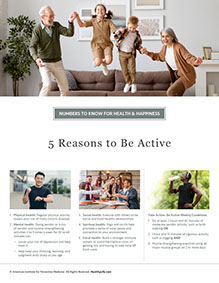
    Grandparents playing with their grandchildren.

    1.  Physical health: Regular physical activity lowers your risk of many chronic diseases.

    2.  Mental health: Doing aerobic or a mix of aerobic and muscle-strengthening activities 3 to 5 times a week for 30 to 60 minutes can:

    –  Lower your risk of depression and help treat it

    –  Help keep your thinking, learning, and judgment skills sharp as you age

    3.  Social health: Exercise with others to be social and build healthy relationships.

    4.  Spiritual health: Yoga and tai chi help promote a sense of inner peace and connection to your environment.

    5.  Fiscal health: Build a stronger immune system to avoid the medical costs of getting sick and having to take time off from work.

    Take Action: Be Active Weekly Guidelines

    1.  Do at least 2 hours and 30 minutes of moderate aerobic activity, such as brisk walkingOR

    2.  1 hour and 15 minutes of vigorous activity, such as joggingAND

    3.  Muscle strengthening exercises using all major muscle groups on 2 or more days.

    Page from HealthyLife Weigh book by the American Institute for Preventive Medicine. www.HealthyLife.com. All rights reserved.

    © American Institute for Preventive Medicine

  • Exercise When You Travel

    BE FIT

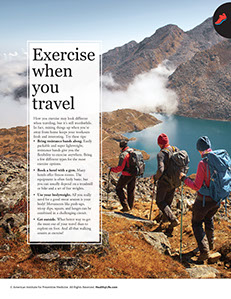
    Group of people hiking.

    How you exercise may look different when traveling, but it’s still worthwhile. In fact, mixing things up when you’re away from home keeps your workouts fresh and interesting. Try these tips:

    *Bring resistance bands along.Easily packable and super lightweight, resistance bands give you the flexibility to exercise anywhere. Bring a few different types for the most exercise options.

    *Book a hotel with a gym.Many hotels offer fitness rooms. The equipment is often fairly basic, but you can usually depend on a treadmill or bike and a set of free weights.

    *Use your bodyweight.All you really need for a good sweat session is your body! Movements like push-ups, tricep dips, squats, and lunges can be combined in a challenging circuit.

    *Get outside.What better way to get the most out of your travel than to explore on foot. And all that walking counts as exercise!

    © American Institute for Preventive Medicine