Tag: Movement & Mobility

  • How Physical Activity Works

    BE FIT

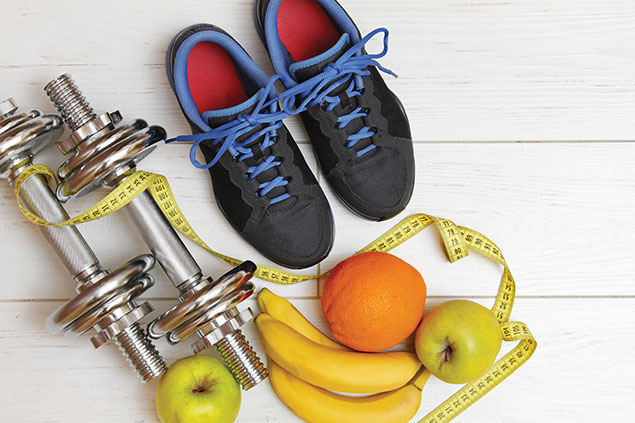
    Image of couple using dumb bells.

    No, this is not another article about why you should be active. This information tells you how exercise works to keep you healthier.

    The concept to understand is called overload. And according to the government’s Physical Activity Guidelines for Americans, overload is the physical stress placed on your body when your physical activity is greater in amount or intensity than usual.

    The body responds and adapts to these stresses (say, a Zumba class). For example, aerobic activity places stress on your heart and lungs and muscles. Your lungs are required to move more air and the heart pumps more blood and delivers it to working muscles. This increase in demand increases the efficiency of your lungs, heart, your entire circulatory system, and your muscles.

    Muscle-strengthening exercise overloads muscles and bones in the same way-making them stronger.

    Also tied to the idea of overload is the principle of progression. Once you reach a certain fitness level, you progress to higher levels of physical activity by continued overload and adaptation. These small and progressive changes help your body adapt to the additional stresses while minimizing your risk of injury.

    © American Institute for Preventive Medicine

  • How To Stretch The Right Way

    BE FIT

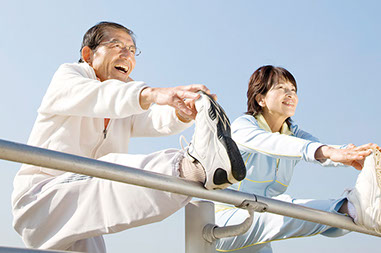
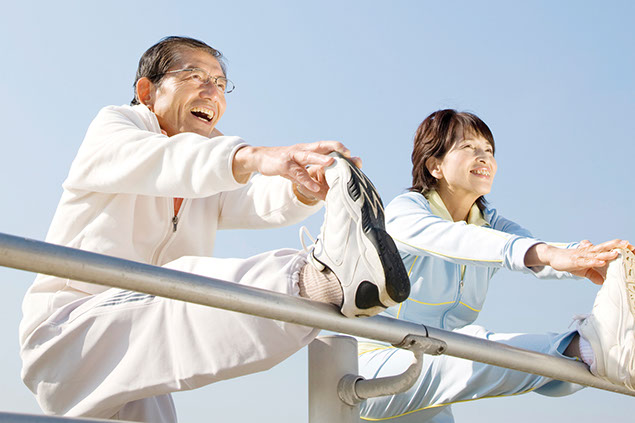
    Image of an older Asian couple stretching.

    Do you skip stretching after your workout because you don’t have time? This may be a mistake: stretching can have benefits for flexibility, range of motion, and blood flow to the muscles, according to the American Academy of Family Physicians. But to reap these rewards, stretching needs to be done correctly. Be sure you follow these tips:

    *Never stretch cold muscles.If you haven’t been moving, it’s not a good time to stretch. The best time is right after your workout, or at least after a 5-10 minute warm-up.

    *Don’t bounce.Use smooth, slow, controlled movements. Bouncing can actually harm muscles.

    *Breathe.Be sure you’re breathing in and out, and not holding your breath.

    *Hold it.A good stretch should last at least 30 seconds, and you may want to hold some for up to 60 seconds.

    *Stretch until you feel it, but don’t go too far.Stretching should feel good, not painful. If it hurts, back off the stretch until it’s comfortable, then hold.

    If you have a strained muscle, sprain, or other injury, talk with your doctor before stretching or starting any exercise. People with chronic conditions, such as diabetes, arthritis, and heart disease, should also seek their doctor’s advice on the safest exercises for them.

    © American Institute for Preventive Medicine
  • Improve Your Mood With Exercise

    BE FIT

    Image of older women walking on bridge along a lake.

    You probably know that exercise has many health benefits. It can reduce your risk of heart disease, type 2 diabetes, and even cancer. But, did you know it can also help your mental health?

    Studies have shown that regular exercise such as walking can improve your mood, according to the American Psychological Association. And it doesn’t take long to feel the effects. Within just a few minutes of starting that walk, many people report more positive mental health. It has also been shown to improve mild to moderate depression.

    If that’s not enough, the APA also says exercise can help people who have anxiety. Regular exercise can help your body calm the “fight-or-flight” feelings that occur when someone gets anxious or overly stressed. And, it can help combat everyday stress by releasing chemicals called endorphins. These effects also help you sleep better, which can help you feel better mentally.

    With all the benefits of exercise, get moving!

    © American Institute for Preventive Medicine
  • 13 Reasons Why Walking Works

    BE FIT

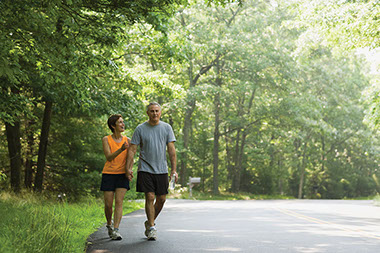
    Image of middle-age couple walking.

    1. Safest exercise on earth

    2. Simple exercise for people who haven’t been exercising

    3. Families can walk together

    4. Social interaction is possible (walk and talk)

    5. Sparks creativity (take along a notebook and pen or a camera)

    6. Improves endurance

    7. Ideal for weight loss

    8. Strengthens bones

    9. Tones legs

    10. Perfect for exploring

    11. Reduces stress

    12. Very inexpensive (no special equipment required, just shoes)

    13. Can be done anytime, anywhere, and for life! Your life!

    From Walk the Four Seasons by walking guru Robert Sweetgall, Creative Walking, Inc.,www.creativewalking.com, who has walked across the USA 7 times.

    © American Institute for Preventive Medicine
  • Just A Little Exercise Helps With Arthritis

    BE FIT

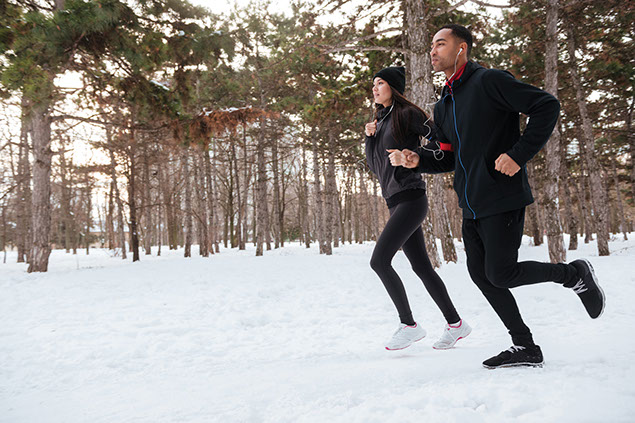
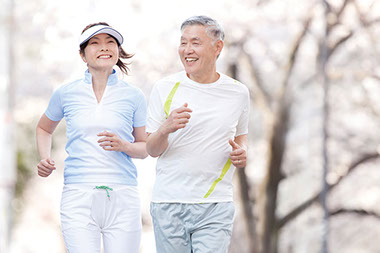
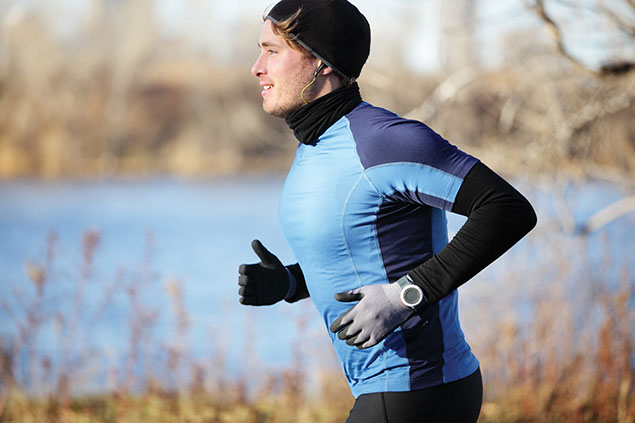
    Image of couple jogging.

    Regular exercise can help with the joint pain and stiffness of arthritis. But, many older adults with arthritis aren’t getting the recommended 150 minutes per week of exercise. Exercise can be painful for those who aren’t used to being active. But over time, not exercising can cause even more pain and stiffness, creating a vicious cycle.

    A recent study shows that even a little exercise can help. Older adults who exercised for just 45 minutes per week saw benefits over those who didn’t exercise at all. Overall, they had better physical ability than the non-exercisers. If you’re not sure how to get started, ask your doctor.

    Though 150 minutes per week is still ideal, some exercise is better than none. Get moving – even just a little – to start feeling better.

    © American Institute for Preventive Medicine
  • Be Patient With Exercise Results

    BE FIT

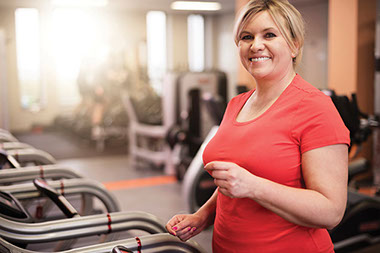
    Image of women using treadmill at a gym.

    Getting started with an exercise plan is a big step toward a healthier life. But, sticking with that exercise program can be tough when you’re not seeing results as quickly as you want. When many exercise plans promise fast, dramatic results, being patient can be frustrating.

    Some people may find that they work hard but aren’t seeing weight loss or feel like they aren’t getting as fit as they want. This can lead to exercise burnout and quitting. Don’t give up! Find ways to push through the tough times. If you keep it up, the benefits of exercise are worth the effort.

    Tip #1: Step off the scale.

    Although you may be losing some weight with exercise, it’s not always obvious right away. This can happen when someone gains muscle, which weighs more than fat. Instead of worrying about a number, look at how your clothes are fitting or how you are feeling overall. Weigh yourself once a week to check in, but don’t let it be the only way you are measuring your progress.

    Tip #2: Don’t compare.

    People gain and lose weight in different ways and at different rates. A friend may drop pounds or get fit faster than you. That can be upsetting if you’re working hard. Try not to worry about how much progress someone else has made. Focus on yourself and what you have accomplished each day.

    Tip #3: Track progress.

    Use a notebook or an app on your phone to record your positive changes, no matter how small. Perhaps you did two more pushups, or walked for 10 extra minutes. Maybe you felt more energy than usual today. Whatever it is, record it so you can go back and see all of the ways exercise is boosting your health.

    Tip #4: Be mindful of your diet.

    Exercise can increase your hunger. It can be easy to overeat after a workout and consume more calories than you burned. Prepare a healthy snack before you work out, such as a banana with peanut butter or yogurt and fresh fruit. Having something ready can reduce the chances of grabbing something quick but unhealthy.

    You may not see “instant” results from exercise. But, believe that you are doing something great for your body. With time, you will improve your health and well-being.

    © American Institute for Preventive Medicine
  • Learn To Love Exercise

    BE FIT

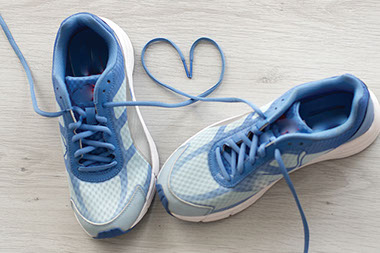
    Image of gym shoes with laces shaped as a heart.

    We know exercise improves our health and well-being. So why do so many of us struggle to get and stay active?

    Maybe we need to look at exercise in a different way. Look at it as something you want to do for yourself and not as a chore or something you have to do. You can look forward to exercise, and even learn to love it, with these tips:

    *Think about who you are.If you are social, look into group classes and activities. “Home bodies” might enjoy using exercise DVDs or online programs in their living room. If you enjoy nature, use your neighborhood or local walking paths to get fresh air. Sports fans might like to join a softball or soccer team.

    *Branch out.Take a chance on a new activity such as dance classes, rock climbing or water aerobics. You may discover a new way to get exercise that is fun and exciting for you.

    *Be a kid again.If you loved basketball, skating or swimming as a child, who says you can’t do it now? Look for local adult clubs or gatherings that include your favorite childhood activities.

    *Add variety.Being bored with exercise will lower your motivation. Change things up, such as walking two days a week and an aerobics or swimming class on the weekend.

    *Find your rhythm.Your favorite music can help you enjoy a walk, jog or weight lifting session. Load your favorite upbeat songs on a music player or smartphone and take it along for your workout. Be careful not to turn it up too loud. You still need to hear what is going on around you. And, prolonged use of headphones at high volumes can cause hearing loss.

    Source: National Institutes of Health

    © American Institute for Preventive Medicine
  • Beat Winter Doldrums By Using A Pool Indoors

    BE FIT

    Image of smiling female standing next to indoor pool.

    If you think swimming pools are just for summer fun, think again. Winter is a great time to take advantage of an indoor pool to get some low-impact exercise. Exercising in water offers many benefits no matter what the season. Try it this winter because:

    *  It’s low impact, so it’s easy on joints that may get sore with activities like running or jumping.

    *  It helps you be more flexible. In the water, you may be able to move your arms and legs in ways that are difficult on land.

    *  Warm water pools can feel soothing, especially in cold weather.

    *  It helps people with arthritis or orthopedic/joint injuries to improve joint movement without pain or strain from traditional exercise.

    *  It offers a nice change from land exercises – and variety may help you stick with a workout.

    *  A pool workout helps keep you cool, even if you’re working hard.

    *  Water exercise may improve mood and mental well-being.

    *  Water offers natural resistance that can tone and strengthen muscles.

    Don’t swear off pool exercise because you can’t swim.

    There are many exercises that can be done in the water that don’t include traditional swimming. If you can’t swim, stick to the shallow end or wear a life jacket. Try these exercises:

    *  Walk or jog from end to end in the shallow end.

    *  Grab the edge of the pool and kick your legs from side to side.

    *  Try the “superman”: hold the edge of the pool and point your body out straight behind you. Keep your body in a straight line and hold the pose for a few seconds.

    *  Do jumping jacks in chest-deep water

    Many local fitness centers have pools for exercise and even water aerobics classes. A community center, hotel or school may offer public swim times as well.

    To help keep public pools clean and to avoid illness:

    *  Shower before and after using a pool

    *  Don’t get pool water in your mouth

    *  Don’t use the pool if you’re sick, especially if you have had vomiting or diarrhea within the last week

    *  Stay out of the pool if you have an open wound that’s not fully healed or fully covered with a waterproof bandage

    © American Institute for Preventive Medicine

  • Practically Free Ways To Get Fit

    BE FIT

    Image of women listening to head phones while dancing.

    “Can’t afford to get fit” is one of the top excuses people give when asked why they don’t exercise. That’s about as logical as saying, “I can’t drive because I can’t afford a Mercedes.” Here are penny-wise ways to get fit from University of Alberta exercise experts:

    *  Walk. Most people walk 4,000 to 5,000 steps per day anyway. Aim to add more steps in your daily activities.

    *  Use a pedometer to help keep track of your steps. You can get one for about $10, but sometimes health fairs give them away free.

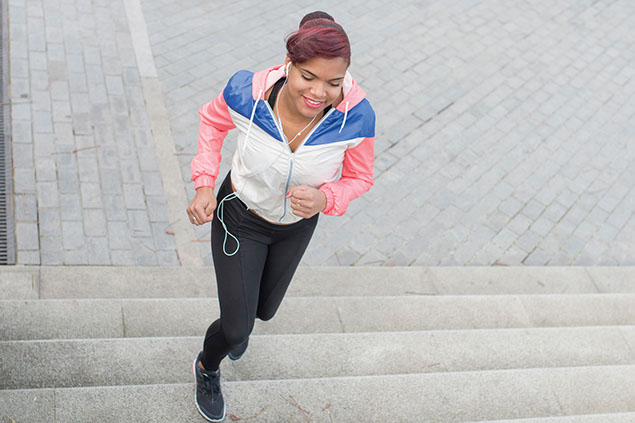
    *  Take the stairs every chance you get, even if it’s only one flight.

    *  Don’t use your children as an excuse not to exercise. Take them along for a walk or run in a stroller, wagon, or on a bike.

    *  Turn on your radio and dance up a storm for 20 to 30 minutes in the privacy of your own home.

    *  Use the lowest stair or stairs in your home and create your own step workout.

    *  Turn your canned goods into weights. Or pour sand or water into empty milk bottles to create weights.

    *  Grab a chair or the kitchen counter and do some push-ups, squats and leg lifts.

    *  Pair a favorite TV show with some sit-ups. Just hook your toes under the sofa. Stand up and jog during commercials.

    *  Got rope? Jump it for a total body workout.

    *  Check with your company wellness program, community league or local rec center for any exercise classes, walking clubs, or team sports you can join.

    *  Go for a walk or just stand by your workstation and stretch for 5 to 10 minutes every hour.

    © American Institute for Preventive Medicine

  • Beating Exercise Barriers

    BE FIT

    Image of older couple jogging with their dog.

    Exercise is one of the best things you can do for your health. It reduces your risk of heart disease, type 2 diabetes, and some types of cancer. It can also improve your mental well-being and increase your energy. So why don’t more people do it? A variety of things can come between you and your fitness goals. Here are some ways to overcome them:

    Problem: You find exercise boring.

    Solution:Invite a friend to walk with you or attend an exercise class together. Having a fitness buddy gives you more to look forward to, and helps you stick with your commitment.

    Problem: You’re too tired.

    Solution:Identify a time of day when you feel more energetic. Even a short walk during your lunch hour has health benefits. Remind yourself that once you get started, you may find that your energy levels increase and it gets easier.

    Problem: You think you’re out of shape.

    Solution:You don’t have to do exercises that are too challenging for you. Start with walking, biking, or something else you enjoy. Go at your own pace and build up to longer, harder workouts as your fitness level improves.

    Problem: You’re just too busy.

    Solution:Find small amounts of time to fit in a walk or class. If you have children at home, take them with you for walks and make it a family activity. You can add activity into your daily life. Park farther from your destination and walk. Take the stairs instead of the elevator. March in place or use a treadmill while you watch TV.

    Source: Centers for Disease Control and Prevention

    © American Institute for Preventive Medicine