Tag: Movement & Physical Fitness

  • Improve Your Mood With Exercise

    BE FIT

    Image of older women walking on bridge along a lake.

    You probably know that exercise has many health benefits. It can reduce your risk of heart disease, type 2 diabetes, and even cancer. But, did you know it can also help your mental health?

    Studies have shown that regular exercise such as walking can improve your mood, according to the American Psychological Association. And it doesn’t take long to feel the effects. Within just a few minutes of starting that walk, many people report more positive mental health. It has also been shown to improve mild to moderate depression.

    If that’s not enough, the APA also says exercise can help people who have anxiety. Regular exercise can help your body calm the “fight-or-flight” feelings that occur when someone gets anxious or overly stressed. And, it can help combat everyday stress by releasing chemicals called endorphins. These effects also help you sleep better, which can help you feel better mentally.

    With all the benefits of exercise, get moving!

    © American Institute for Preventive Medicine

  • Soothe Sore Muscles After Exercise

    BE FIT

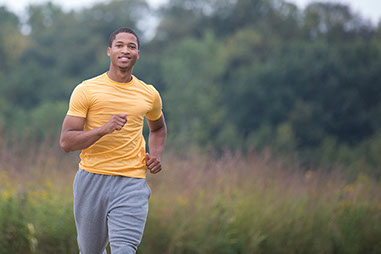
    Image of male jogging outside.

    Exercise can make you feel great. But after a hard workout, sore muscles can be uncomfortable. A little soreness is normal and healthy, especially after trying a new activity or pushing yourself a little harder.

    Don’t let post-exercise pain get you down! You can get through it and reach a new level of fitness with a few tips:

    *Warm up.Don’t jump right into exercise with cold muscles. Doing a lighter or slower version of your workout first will get muscles warm and increase blood flow. This can help avoid injury too.

    *Cool down and stretch.Don’t stop exercise abruptly. Instead, slow down your activity until your heart rate feels normal and you can talk easily. After you’ve exercised, stretch! This is the perfect time to increase flexibility and help lower the chance of soreness.

    *Drink water.It helps keep your joints and muscles hydrated and prevents cramps. Drink before, during and after your workout.

    *Give muscles a break.Give muscles about two days to rest and heal before you exercise them again. For instance, work leg muscles one day and arms the next. Don’t do the same exercise day after day. Muscles need about 48 hours to repair and heal.

    *Be sure you’re doing it right.If you’re new to certain exercises, don’t be afraid to ask someone who can help! Ask a fitness expert or personal trainer or watch videos. Exercise machines and routines can cause injuries if they’re not done properly.

    *Don’t push too hard.It’s easy to get caught up in a new exercise routine. You may want to get into shape as quickly as possible. But doing too much too quickly can mean lots of soreness and even an injury. If you think your exercise routine is too easy, increase the time or intensity slowly. Always ask your doctor about safe exercises you can do if you have any health conditions.

    Listen to your body!

    A lot of soreness or pain isn’t necessary or normal. If you think you have a strained or sprained muscle, tryRICE:

    Rest:Don’t use the sore muscles, if possible.

    Ice:Apply ice packs to the problem area for a few minutes at a time.

    Compression:Use sports bandages or wraps.

    Elevation:Raise the affected body part, such as a foot, up above your heart for two to three hours each day.

    See a doctor if the pain is extreme, gets worse or doesn’t go away after a week.

    Source: American Academy of Family Physicians

    © American Institute for Preventive Medicine
  • Be A Good Sport

    BE FIT

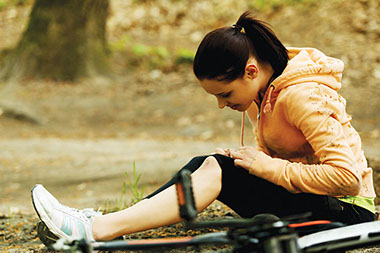
    Image of women with knee injury from riding a bike.

    Whether you’ve never had a sports injury and you’re trying to keep it that way or you’ve had an injury and don’t want another, the following tips from the National Institute of Arthritis and Musculoskeletal and Skin Diseases can help:

    *  Avoid bending knees past 90 degrees when doing half knee bends.

    *  Avoid twisting knees by keeping feet as flat as possible during stretches.

    *  When jumping, land with your knees bent.

    *  Do warm-up exercises not just before vigorous activities like running, but also before less vigorous ones such as golf.

    *  Don’t overdo.

    *  Do warm-up stretches before activity. Stretch the Achilles tendon, hamstring, and quadriceps areas and hold the positions. Don’t bounce.

    *  Cool down following vigorous sports. For example, after a race, walk or walk/jog for 5 minutes so your pulse comes down gradually.

    *  Wear properly fitting shoes that provide shock absorption and stability.

    *  Use the softest exercise surface available, and avoid running on hard surfaces like asphalt and concrete. Run on flat surfaces. Running uphill may increase the stress on the Achilles tendon and the leg itself.

    © American Institute for Preventive Medicine

  • Exercise May Keep Some Cancers Away

    BE FIT

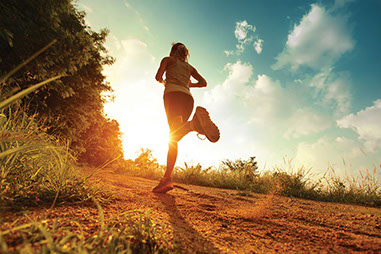
    Low angle image of women running.

    A recent study from the National Cancer Institute and the American Cancer Society says the most active people have a lower risk of getting 13 different types of cancers. The study said the most active people saw the most benefit, but even moderate exercise (150 minutes per week) was still very helpful. Examples of moderate exercise are walking, swimming and running.

    According to the study, people who exercise regularly have a lower risk of:

    *  Colon cancer

    *  Breast cancer

    *  Endometrial (uterine) cancer

    *  Esophageal adenocarcinoma

    *  Liver cancer

    *  Cancer of the gastric cardia

    *  Kidney cancer

    *  Myeloid leukemia

    *  Myeloma

    *  Cancers of the head and neck, rectum and bladder

    © American Institute for Preventive Medicine
  • Is Yoga For You?

    BE FIT

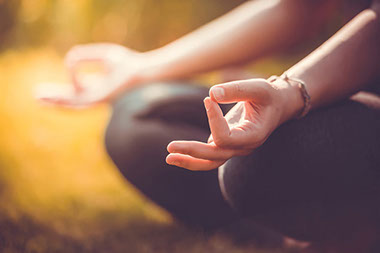
    Close up image of female hands while in a yoga pose.

    Yoga is an ancient Indian practice that engages the mind and body. There are many different forms of yoga, and the type you choose should suit your health and fitness goals. Check out these more popular types of yoga.

    Hatha

    Hatha yoga is a general term for any type of yoga. But in general, hatha classes focus on perfecting and holding yoga poses and proper breathing. It can be relaxing, as it is generally slower paced. You may not get an aerobic workout from hatha yoga, but it can improve your strength, balance and flexibility. Hatha classes are usually geared towards beginners.

    Vinyasa

    This is a faster-paced style of yoga that moves quickly from pose to pose, sometimes with upbeat music. You may work up a sweat and get a good cardiovascular workout. Before trying vinyasa, be sure you are familiar with basic yoga poses so you can follow along. It is often suitable for all skill levels, as the poses can be modified to fit your comfort and ability.

    Ashtanga

    This style uses the same six poses in an identical order or sequence. It can be repetitive, but allows people to follow a set routine. This tends to be a more fast-paced and vigorous style of yoga. You may get hot and will need to drink plenty of fluids.

    Bikram

    Bikram yoga, sometimes called hot yoga, is done in a heated room and is designed to make participants sweat heavily during the class. Bikram involves a set of 26 poses and two breathing exercises during a 90-minute class. Though it’s a predictable sequence, the heat makes it a strenuous activity. Though studies haven’t proven its safety or risks for sure, it is not right for everyone. Always ask your doctor before trying any kind of hot yoga. The excess heat may cause heat-related illnesses in some people.

    © American Institute for Preventive Medicine

  • Sprains, Strains, And Injuries: The Rice Fix

    BE FIT

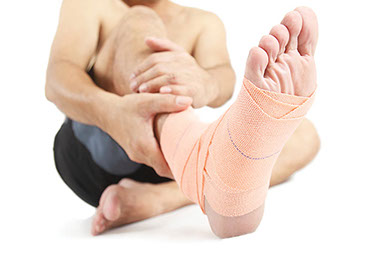
    Image of sprained foot.

    Whether you’re headed off the trail or staying on track, kicking a ball or throwing one, you’ll likely need to know about the RICE fix when you sprain, strain, or injure something.

    Dr. William Levine, chief of sports medicine at NewYork-Presbyterian Hospital/Columbia University Medical Center, recommends RICE, a first-aid technique that can be applied to most sprains, strains and joint injuries.

    *Rest:If you are injured during any activity, stop the activity immediately and rest the injured area. Do not try to work through the pain.

    *Ice:For the first 24 to 48 hours, apply ice packs to the injured area every 2 hours for 15 minutes. Make sure that the ice (a handy bag of frozen peas works well) is not in direct contact with the skin; a cotton handkerchief covering is helpful.

    *Compress:Bandage the area firmly, extending the wrapping above and below the injury. This pressure will stop any bleeding and reduce any swelling of the injured area.

    *Elevate:Whenever possible, elevate the injured area above the level of your heart. Elevation and compression are typically used for acute injuries such as a twisted ankle.

    © American Institute for Preventive Medicine
  • Be Patient With Exercise Results

    BE FIT

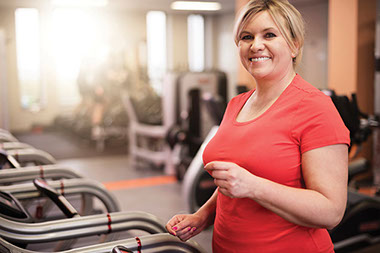
    Image of women using treadmill at a gym.

    Getting started with an exercise plan is a big step toward a healthier life. But, sticking with that exercise program can be tough when you’re not seeing results as quickly as you want. When many exercise plans promise fast, dramatic results, being patient can be frustrating.

    Some people may find that they work hard but aren’t seeing weight loss or feel like they aren’t getting as fit as they want. This can lead to exercise burnout and quitting. Don’t give up! Find ways to push through the tough times. If you keep it up, the benefits of exercise are worth the effort.

    Tip #1: Step off the scale.

    Although you may be losing some weight with exercise, it’s not always obvious right away. This can happen when someone gains muscle, which weighs more than fat. Instead of worrying about a number, look at how your clothes are fitting or how you are feeling overall. Weigh yourself once a week to check in, but don’t let it be the only way you are measuring your progress.

    Tip #2: Don’t compare.

    People gain and lose weight in different ways and at different rates. A friend may drop pounds or get fit faster than you. That can be upsetting if you’re working hard. Try not to worry about how much progress someone else has made. Focus on yourself and what you have accomplished each day.

    Tip #3: Track progress.

    Use a notebook or an app on your phone to record your positive changes, no matter how small. Perhaps you did two more pushups, or walked for 10 extra minutes. Maybe you felt more energy than usual today. Whatever it is, record it so you can go back and see all of the ways exercise is boosting your health.

    Tip #4: Be mindful of your diet.

    Exercise can increase your hunger. It can be easy to overeat after a workout and consume more calories than you burned. Prepare a healthy snack before you work out, such as a banana with peanut butter or yogurt and fresh fruit. Having something ready can reduce the chances of grabbing something quick but unhealthy.

    You may not see “instant” results from exercise. But, believe that you are doing something great for your body. With time, you will improve your health and well-being.

    © American Institute for Preventive Medicine

  • Exercise On A Budget

    BE FIT

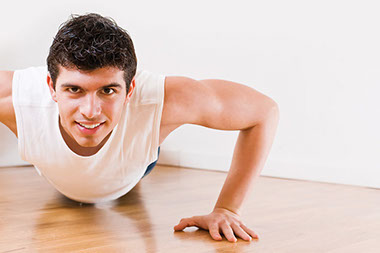
    Image of young man doing push-ups.

    Don’t let gym memberships, personal training fees, or the cost of the latest exercise gadget weigh you down. Exercise is about moving, stretching, lifting, bending, breathing – things you can easily do at home. Or simply walk – around the block, at a mall, or on a local school’s track.

    Get started

    Start with a few simple stretches to warm up your muscles. If you need help, go online for how-to instructions on everything from stretching to full routines. You can also find exercise tools to track your progress.

    No equipment necessary

    Do what you were taught in gym class – squats, push-ups, jumping jacks, and crunches. Lift your legs and arms, touch your toes, bend from side to side, jog in place, and twist. Just make sure you target all your major muscle groups at least once every week.

    No free weights? Try these substitutes

    *  Use cans instead of dumbbells to exercise biceps and triceps.

    *  A gallon jug filled with water, sand, or powdered detergent is just as effective as a kettle bell for squats and arm lifts.

    *  Put a paper plate under one foot and lunge forward. You can also attach plates to both feet with rubber bands to simulate skating. Or, get down on all fours, put the plates under your hands and slide them back and forth for a great chest workout.

    *  Pantyhose stretch just as well as resistance bands for rowing and stretching routines.

    *  A low, sturdy stool or a bottom stair can be used for a step exercise routine.

    © American Institute for Preventive Medicine
  • Just A Little Exercise Helps With Arthritis

    BE FIT

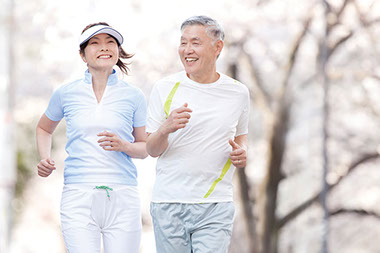
    Image of couple jogging.

    Regular exercise can help with the joint pain and stiffness of arthritis. But, many older adults with arthritis aren’t getting the recommended 150 minutes per week of exercise. Exercise can be painful for those who aren’t used to being active. But over time, not exercising can cause even more pain and stiffness, creating a vicious cycle.

    A recent study shows that even a little exercise can help. Older adults who exercised for just 45 minutes per week saw benefits over those who didn’t exercise at all. Overall, they had better physical ability than the non-exercisers. If you’re not sure how to get started, ask your doctor.

    Though 150 minutes per week is still ideal, some exercise is better than none. Get moving – even just a little – to start feeling better.

    © American Institute for Preventive Medicine

  • Stay In The Game

    SELF-CARE CORNER

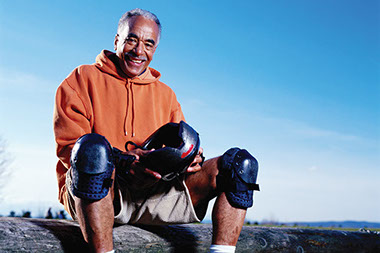
    Image of older man wearing knee pads while holding a helmet.

    Although many athletes understand the importance of keeping their muscles and bones healthy, it’s also important for them to take care of their skin. Sports equipment, especially protective helmets and pads, creates a warm, moist and dark environment for the germs that can cause skin infections to grow.

    “Athletes are at an increased risk of skin infection, which can have serious consequences and may take them-and their teammates-out of the game for days, weeks or months,” said dermatologist Jeffrey V. Benabio. “If athletes notice anything on their skin that itches, burns or may be infected, they should see a board-certified dermatologist or sports medicine doctor.”

    To help prevent skin infections, Dr. Benabio recommends that coaches, athletes, and athletic trainers follow these tips:

    *  Keep cuts and scrapes clean and covered with a bandage until healed. A cut or scrape weakens the skin’s defense and allows germs that cause infections to enter.

    *  Prevent blisters to reduce infections. Apply a pad, gel or spray to areas that routinely blister. To help prevent blisters on the feet, ankles and hands, consider using specialized gloves and socks or wearing two pairs of socks. Athletes should also make sure that their footwear fits properly.

    *  Wear moisture-wicking clothes. This helps keep the athlete’s skin dry and prevents germs from growing.

    *  Wear sandals in the locker room. Wearing sandals or other shoes helps reduce infections on the feet.

    *  Shower after every practice and game. In addition, athletes should use an antimicrobial soap and wash their entire body.

    *  Do not share personal care items. Athletes should always use a clean towel after showering and use their own towels, soaps, razors and other personal care items.

    *  Wash clothes and towels after each use. Sports bags should also be washed, as germs that cause infections can remain in the bags and grow.

    *  Disinfect equipment, including protective gear, daily. For proper disinfection, follow the manufacturers’ instructions.

    *  Perform regular skin checks. Athletes should check their skin daily, especially those in high-risk sports, such as wrestling. Look for any changes, such as cuts, sores, redness, swelling and pus, and report any changes to an athletic trainer or doctor.

    © American Institute for Preventive Medicine