Tag: muscle

  • Potassium: Why You Need It

    HEALTHY EATING

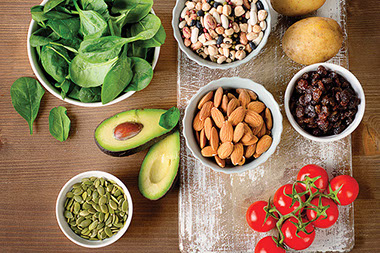
    A varity of foods high in potassium.

    Potassium is an important mineral that the body needs for various functions. But many people don’t get enough potassium in their diet. And people who take certain diuretic medicines may have low levels, too.

    Why do I need potassium?

    When potassium levels are low, a person may have:

    *  High blood pressure and stroke: Low potassium raises the risk of having high blood pressure, especially when a person eats high amounts of salt (sodium). High blood pressure is a major risk factor for heart attack and stroke.

    *  Kidney stones: Low potassium levels can take calcium out of the bones. This causes calcium to come out in the urine, which can lead to kidney stones. Kidney stones can be painful and sometimes require procedures or surgery to remove.

    *  Bone weakness: Potassium strengthens bones. Without it, bones may be weaker and more likely to break.

    *  Muscle weakness

    *  Heart rhythm problems, known as arrhythmias

    Food sources of potassium

    A healthy diet can help you get the right amount of potassium. These foods are good sources:

    *  Leafy greens, such as spinach and kale

    *  Vegetables like peas, cucumbers, squash and broccoli

    *  Root vegetables, such as potatoes, sweet potatoes and carrots

    *  Fruit from vines, such as raspberries, grapes and blackberries

    *  Citrus fruits, such as oranges and grapefruit

    *  Fruits, such as dried apricots, melon, raisins and bananas

    *  Legumes, such as beans and lentils

    *  Milk and yogurt

    *  Meats, poultry and fish

    How much potassium you need

    It’s usually best to get your potassium through a healthy diet. Don’t take potassium supplements unless your doctor recommends it. Most people need 2,600-3,400 milligrams (mg) of potassium every day.

    People who have chronic kidney disease may need to lower their potassium intake. This is because the kidneys help get rid of excess potassium. Ask your doctor about your potassium intake if you have kidney disease.

    Most people can get a proper balance of potassium and other minerals through their diet. Ask your doctor before making any major diet changes.

    Sources: National Institutes of Health, U.S. National Library of Medicine
    © American Institute for Preventive Medicine
  • Resistance Training

    Healthylife® Weigh

    Part 5

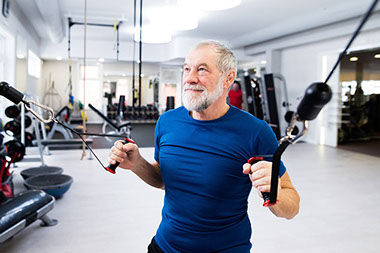
    Fit senior man in gym working out with weights.

    Make resistance training part of your exercise routine. Resistance training:

    *  Builds endurance. Your muscles can work longer before getting tired.

    *  Builds muscle. Muscle increases your resting metabolism. This means that even when your body is at rest, you are burning more fuel.

    *  Improves bone density. This helps prevent osteoporosis and fractures.

    *  Makes your body look more toned.

    *  Reduces the chance of injury while exercising.

    Tips for Resistance Training:

    *  Use free weights, a stretch band, or your body weight. Use the Dyna® Band and Exercise Guide if you received these with HealthyLife® Weigh.

    *  Follow guidelines on resistance machines for proper form. Ask a personal trainer to make sure you are doing exercises correctly.

    *  Work out with a friend. Have someone spot you.

    *  Warm up with 15 repetitions, using ½ to ¾ of your usual weight.

    *  Rest your muscles for a day in between workouts. If you want to work out every day, do the upper body one day; the lower body the next.

    *  Move slowly. Don’t jerk the weights up or drop them too fast.

    *  Breathe out when you are at the hardest part of the exercise. Breathe in when you return to the starting position. Don’t hold your breath.

    *  Work opposing muscles. For example, after you work the front of the arm (biceps), work the back of the arm (triceps).

    Examples of Resistance Training:

    Knee Push-Up: Rest on your knees and on the palms of your hands, about shoulder width apart. Push up. Keep your body straight from knees to shoulders. Push up and down slowly to the count of 4.

    Calf Raises: Stand with your feet about hip distance apart. Rise onto your toes. Hold for 1 count and lower. Try it on the edge of a step and let your heel drop below your toes for a wider range of motion.

    © American Institute for Preventive Medicine
  • Soothe Sore Muscles After Exercise

    BE FIT

    Image of male jogging outside.

    Exercise can make you feel great. But after a hard workout, sore muscles can be uncomfortable. A little soreness is normal and healthy, especially after trying a new activity or pushing yourself a little harder.

    Don’t let post-exercise pain get you down! You can get through it and reach a new level of fitness with a few tips:

    *Warm up.Don’t jump right into exercise with cold muscles. Doing a lighter or slower version of your workout first will get muscles warm and increase blood flow. This can help avoid injury too.

    *Cool down and stretch.Don’t stop exercise abruptly. Instead, slow down your activity until your heart rate feels normal and you can talk easily. After you’ve exercised, stretch! This is the perfect time to increase flexibility and help lower the chance of soreness.

    *Drink water.It helps keep your joints and muscles hydrated and prevents cramps. Drink before, during and after your workout.

    *Give muscles a break.Give muscles about two days to rest and heal before you exercise them again. For instance, work leg muscles one day and arms the next. Don’t do the same exercise day after day. Muscles need about 48 hours to repair and heal.

    *Be sure you’re doing it right.If you’re new to certain exercises, don’t be afraid to ask someone who can help! Ask a fitness expert or personal trainer or watch videos. Exercise machines and routines can cause injuries if they’re not done properly.

    *Don’t push too hard.It’s easy to get caught up in a new exercise routine. You may want to get into shape as quickly as possible. But doing too much too quickly can mean lots of soreness and even an injury. If you think your exercise routine is too easy, increase the time or intensity slowly. Always ask your doctor about safe exercises you can do if you have any health conditions.

    Listen to your body!

    A lot of soreness or pain isn’t necessary or normal. If you think you have a strained or sprained muscle, tryRICE:

    Rest:Don’t use the sore muscles, if possible.

    Ice:Apply ice packs to the problem area for a few minutes at a time.

    Compression:Use sports bandages or wraps.

    Elevation:Raise the affected body part, such as a foot, up above your heart for two to three hours each day.

    See a doctor if the pain is extreme, gets worse or doesn’t go away after a week.

    Source: American Academy of Family Physicians

    © American Institute for Preventive Medicine