Tag: myths

  • Vegan Diet: Myths & Facts

    HEALTHY EATING

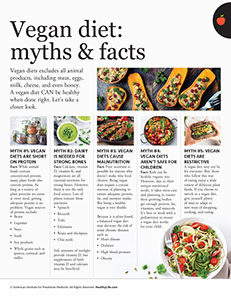
    Stuffed butternut squash with chickpeas, cranberries, quinoa cooked in nutmeg, cloves, cinnamon.

    Vegan diets excludes all animal products, including meat, eggs, milk, cheese, and even honey. A vegan diet CAN be healthy when done right. Let’s take a closer look.

    Myth #1: Vegan diets are short on protein

    Fact: While animal foods contain concentrated protein, many plant foods also contain protein. As long as a variety of plant proteins are eaten at every meal, getting adequate protein is no problem. Vegan sources of protein include:

    *  Beans

    *  Legumes

    *  Nuts

    *  Seeds

    *  Soy products

    *  Whole grains such as quinoa, oatmeal, and millet

    Myth #2: Dairy is needed for strong bones

    Fact: Calcium, vitamin D, vitamin K, and magnesium are all essential nutrients for strong bones. However, dairy is not the only food source. Lots of plants contain those nutrients:

    *  Spinach

    *  Broccoli

    *  Tofu

    *  Edamame

    *  Beans and chickpeas

    *  Chia seeds

    Safe amounts of sunlight provide vitamin D, but supplements of both vitamin D and calcium may be beneficial.

    Myth #3: Vegan diets cause malnutrition

    Fact: Poor nutrition is possible for anyone who doesn’t make wise food choices. Being vegan does require a certain amount of planning to ensure adequate protein, fat, and nutrient intake. But being a healthy vegan is very doable.

    Because it is plant-based, a balanced vegan diet may decrease the risk of some chronic diseases such as:

    *  Heart disease

    *  Diabetes

    *  High blood pressure

    *  Obesity

    Myth #4: Vegan diets aren’t safe for children

    Fact: Kids can be healthy vegans, too. However, due to their unique nutritional needs, it takes extra care and planning to ensure their growing bodies get enough protein, fat, vitamins, and minerals. It’s best to work with a pediatrician to ensure a vegan diet works  for your child.

    Myth #5: Vegan diets are restrictive

    A vegan diet may not be for everyone. But, those who follow this way of eating enjoy a wide variety of delicious plant foods. If you choose to switch to a vegan diet, give yourself plenty of time to adapt to new ways of shopping, cooking, and eating.
    © American Institute for Preventive Medicine
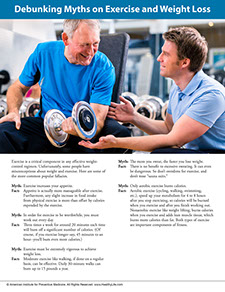
  • Debunking Myths On Exercise And Weight Loss

    Weight Control

    Exercise is a critical component in any effective weight-control regimen. Unfortunately, some people have misconceptions about weight and exercise. Here are some of the more common popular fallacies.

    Myth: Exercise increases your appetite.

    Fact: Appetite is actually more manageable after exercise. Furthermore, any slight increase in food intake from physical exercise is more than offset by calories expended by the exercise.

    Myth: In order for exercise to be worthwhile, you must work out every day.

    Fact: Three times a week for around 20 minutes each time will burn off a significant number of calories. (Of course, if you exercise longer-say, 45 minutes to an hour–you’ll bum even more calories.)

    Myth: Exercise must be extremely vigorous to achieve weight loss.

    Fact: Moderate exercise like walking, if done on a regular basis, can be effective. Daily 30-minute walks can burn up to 15 pounds a year.

    Myth: Only aerobic exercise burns calories.

    Fact: Aerobic exercise (cycling, walking, swimming, etc.), speed up your metabolism for 4 to 8 hours after you stop exercising, so calories will be burned when you exercise and after you finish working out. Nonaerobic exercise like weight lifting, burns calories when you exercise and adds lean muscle tissue, which burns more calories than fat. Both types of exercise are important components of fitness.

    Myth: The more you sweat, the faster you lose weight.

    Fact: There is no benefit to excessive sweating. It can even be dangerous. So don’t overdress for exercise, and don’t wear “sauna suits.”

    Page from A Year of Health Hints book by the American Institute for Preventive Medicine. www.HealthyLife.com. All rights reserved.

    © American Institute for Preventive Medicine

  • Busting Diet Myths

    HEALTHY EATING

    Salad bowl.

    Losing weight can be challenging. It means you have to change your eating and exercise habits. But does it mean you have to give up all the foods you love?

    Many myths about a healthy diet can make the task harder than it needs to be. But the truth is, you can change your diet for the better and still enjoy your food.

    Learn to recognize these common diet myths. You can make a healthy change to your eating habits.

    Myth:Dieting means I can’t eat my favorite foods.

    Fact:You can use moderation to still enjoy your favorite foods. Moderation means you can have a small amount once in a while. It means you may have to cut back, but you don’t have to give it up.

    Having your favorite high-calorie foods in small amounts can be fine for most people. A small piece of cake at a birthday party or a little piece of dark chocolate can still fit into your healthy eating plan.

    Myth:To lose weight, you have to give up breads, pasta and other grains.

    Fact:Many grains can be part of your healthy diet. You should limit refined, processed grains like white bread and white pasta. But whole grains contain fiber and nutrients you need. Examples of healthy grains include:

    *  Whole wheat bread and pasta

    *  Brown rice

    *  Quinoa

    *  Oats

    Read the nutrition label on whole grain products to help avoid high-calorie choices and added sugars.

    Myth:Gluten-free foods are healthier options for weight loss.

    Fact:Only people who have celiac disease or sensitivities to gluten need to avoid gluten.

    Just because a food says it is “gluten-free” does not mean it’s healthier or has fewer calories than a food that contains gluten. In fact, if you avoid gluten, you could miss out on important nutrients. See a doctor if you think you have a gluten sensitivity.

    Myth:You should avoid fat to lose weight.

    Fact:Some fat in your food is necessary and healthy. Try to eat foods that contain healthy monounsaturated or polyunsaturated fats. Eating small amounts of healthy fat can even help you feel full.

    These foods contain healthy fats that are important for overall health:

    *  Olive oil

    *  Avocadoes

    *  Nuts

    *  Seeds

    *  Eggs

    *  Salmon, trout

    Source: National Institute of Diabetes and Digestive and Kidney Diseases

    © American Institute for Preventive Medicine

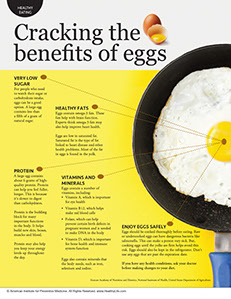
  • Cracking The Benefits Of Eggs

    HEALTHY EATING

    Image of an egg in a frying pan.

    Very low sugar

    For people who need to watch their sugar or carbohydrate intake, eggs can be a good option. A large egg contains less than a fifth of a gram of natural sugar.

    Protein

    A large egg contains about 6 grams of high-quality protein. Protein can help you feel fuller, longer. This is because it’s slower to digest than carbohydrates.

    Protein is the building block for many important functions in the body. It helps build new skin, bones, muscles and blood.

    Protein may also help you keep your energy levels up throughout the day.

    Healthy fats

    Eggs contain omega-3 fats. These fats help with brain function. Experts think omega-3 fats may also help improve heart health.

    Eggs are low in saturated fat. Saturated fat is the type of fat linked to heart disease and other health problems. Most of the fat in eggs is found in the yolk.

    Vitamins and minerals

    Eggs contain a number of vitamins, including:

    *  Vitamin A, which is important for eye health

    *  Vitamin B12, which helps make red blood cells

    *  Folate, which can help prevent certain birth defects in pregnant women and is needed to make DNA in the body

    *  Vitamin D, which is important for bone health and immune system function

    Eggs also contain minerals that the body needs, such as iron, selenium and iodine.

    Enjoy eggs safely

    Eggs should be cooked thoroughly before eating. Raw or undercooked eggs can have dangerous bacteria like salmonella. This can make a person very sick. But, cooking eggs until the yolks are firm helps avoid this risk. Eggs should also be kept in the refrigerator. Don’t use any eggs that are past the expiration date.

    If you have any health conditions, ask your doctor before making changes to your diet.

    Sources: Academy of Nutrition and Dietetics, National Institutes of Health, United States Department of Agriculture

    © American Institute for Preventive Medicine
  • Do Detox Diets Work?

    HEALTHY EATING

    Two different detox drinks.

    Detox or cleansing diets are a popular way to make a change and cut calories quickly. But, do they really work?

    How do detox diets work?

    Detox diets use a variety of techniques in an attempt to “cleanse” the body. These include:

    *  Fasting

    *  Juicing

    *  Herbs

    *  Supplements

    *  Colon cleanses such as enemas or laxatives

    *  Saunas

    *  Food restrictions

    The idea is that these techniques cleanse and purify the body of toxins by encouraging increased elimination and digestive rest. Some diets even claim to remove toxins and metals from the bloodstream.

    Is there evidence detox diets work?

    Currently, there is no evidence that these methods to “detoxify” have any impact on human health. Your body already has ongoing processes to purify the blood and remove waste products. For example, your liver and digestive tract are two of the organ systems responsible for protecting you from harmful toxins.

    While some people report feeling better or losing weight on a detox diet, this effect may be the result of removing unhealthy foods from the diet and cutting back on calories. You could likely achieve the same results by eating a healthier, balanced diet in general.

    Are detox diets safe?

    Some of these diets can be unsafe and use false advertising to promote their claims. Many products used in detoxes or cleanses are unregulated by the FDA and could potentially cause harmful side effects.

    In addition, detox diets are often unbalanced, either by avoiding most foods or encouraging a high intake of specific foods or drinks. This could lead to problems with hydration or electrolyte balance, as well as cause digestive problems.

    Other things to consider include any health conditions or medications you currently take. You should talk to your doctor before trying any type of detoxing or cleansing.

    Are there alternatives to detoxing?

    If you are interested in cleaning up your diet but want to avoid the quick fixes promised by detox diets, there are other great options. Improving your health is a lifelong journey. Small changes over time can make a big difference.

    Consider these ideas:

    *  Cut out soda, juices, and other beverages, and let water be your drink of choice.

    *  Limit added sugars in your diet.

    *  Increase your intake of fruits and vegetables to at least 5 servings a day.

    *  Avoid late-night eating.

    *  Limit or remove alcohol from your diet.

    © American Institute for Preventive Medicine

  • Myths About Underactive Thyroid

    MEDICAL NEWS

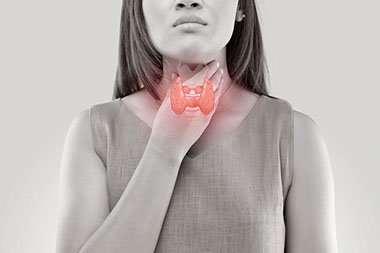
    Image of women holding her neck with an illustration of the thyroid gland on top.

    One of the most common thyroid problems is hypothyroidism, or underactive thyroid.

    Hypothyroidism means the thyroid gland isn’t making enough thyroid hormones. This can cause a number of symptoms, including:

    *  Fatigue

    *  Trouble with learning or remembering

    *  Dry hair, nails or skin

    *  Constipation

    *  Sore muscles

    *  Weight gain or bloating

    *  Heavy or irregular menstrual periods

    Although hypothyroidism is a common problem, there are many myths about it. Read on to learn about some common myths – and what you should know and hypothyroidism.

    Myth:You can’t lose weight if you have a thyroid problem.

    Fact:Many people can get to a healthy weight with hypothyroidism after getting on the proper dose of thyroid medication. They may need to work with a nutritionist or other health provider and get plenty of exercise. But losing weight is doable.

    Myth:You can’t get pregnant if you have hypothyroidism.

    Fact:Many women can get pregnant with an underactive thyroid. They should work with their doctor to make sure they are on thyroid medication that is safe and effective. It’s important to take thyroid medication consistently and carefully throughout pregnancy.

    Myth:Only older women have hypothyroidism.

    Fact:Thyroid problems can affect anyone, of any age. But women older than 60 years are at an increased risk for hypothyroidism.

    Myth:People with underactive thyroid need to take iodine.

    Fact:People with hypothyroidism should be on a medication that their doctor prescribes. Taking iodine supplements is usually not needed.

    Myth:High doses of thyroid medicine are better.

    Fact:Having too much thyroid hormone can lead to health problems like rapid heart rate, irregular heartbeat, bone loss and can even become life threatening. Work with your doctor to be sure your thyroid blood levels are within a healthy range.

    Myth:I can manage underactive thyroid with a healthy diet.

    Fact:A healthy diet is great for everyone, including people with underactive thyroid. However, even the best food choices cannot replace missing thyroid hormones. A person needs to take their thyroid medication as their doctor prescribes to replace these hormones.

    Source: American Association of Clinical Endocrinologists

    © American Institute for Preventive Medicine
  • Vaccines & Autism: The Facts

    MEDICAL NEWS

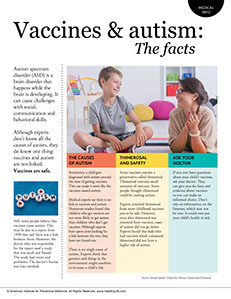
    Young child and teacher.

    Autism spectrum disorder (ASD) is a brain disorder that happens while the brain is developing. It can cause challenges with social, communication and behavioral skills.

    Although experts don’t know all the causes of autism, they do know one thing: vaccines and autism are not linked. Vaccines are safe.

    Still, some people believe that vaccines cause autism. This may be due to a report from 1998 that said there was a link between them. However, the doctor who was responsible for the report used a study that was small and flawed. The study had errors and problems. The doctor’s license was later revoked.

    The causes of autism

    Sometimes, a child gets diagnosed with autism around the time of getting vaccines. This can make it seem like the vaccines caused autism.

    Medical experts say there is no link to vaccines and autism. Numerous studies found that children who get vaccines are not more likely to get autism than children who don’t get vaccines. Although experts have spent years looking for a link between the two, they have not found one.

    There is no single cause of autism. Experts think that genetics and things in the environment might combine to increase a child’s risk.

    Thimerosal and safety

    Some vaccines contain a preservative called thimerosal. Thimerosal contains small amounts of mercury. Some people thought thimerosal could be causing autism.

    Experts removed thimerosal from most childhood vaccines just to be safe. However, even after thimerosal was removed from vaccines, cases of autism did not go down. Experts found that kids who had vaccines which contained thimerosal did not have a higher risk of autism.

    Ask your doctor

    If you ever have questions about your child’s vaccines, ask your doctor. They can give you the facts and evidence about vaccines so you can make an informed choice. Don’t rely on information on the Internet, which may not be true. It could even put your child’s health at risk.

    Source: Autism Speaks, Centers for Disease Control and Prevention

    © American Institute for Preventive Medicine

  • Facts And Fallacies About Vasectomies

    Men’s Health

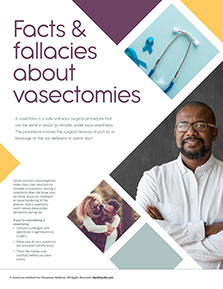
    Image of smiling male.

    Sterilization is the ultimate method of birth control. Vasectomies are safe and can be performed in about 30 minutes under local anesthesia. (The procedure involves surgical removal of part of the vas deferens or sperm duct.) You don’t even have to go to the hospital.

    Some common misconceptions make many men reluctant to consider a vasectomy. Having a vasectomy does not lower your sex drive, leave you impotent, or cause hardening of the arteries. And a vasectomy won’t reduce pleasurable sensations during sex.

    If you’re considering a vasectomy:

    *  Consult a urologist who specializes in genitourinary surgery.

    *  Make sure all your questions are answered satisfactorily.

    *  Think the matter over carefully before you take action.

    A Year of Health Hints book by the American Institute for Preventive Medicine. www.HealthyLife.com. All rights reserved.

    © American Institute for Preventive Medicine
  • Busting Myths About Alzheimer’S

    MEDICAL NEWS

    Image of eldery man in wheelchair with daughter and granddaughter.

    More than 5 million Americans are living with Alzheimer’s and many myths still exist about it.

    MYTH: Alzheimer’s and dementia mean the same thing.

    FACT:Dementia is a group of symptoms that can be caused by Alzheimer’s and other diseases. Up to 80 percent of dementia cases are caused by Alzheimer’s disease. But, dementia can be caused by other conditions, such as Parkinson’s disease.

    MYTH: Everyone gets forgetful with age, so Alzheimer’s is no big deal.

    FACT:Alzheimer’s is not a normal part of aging. Alzheimer’s gets worse over time. Eventually, someone with Alzheimer’s will be unable to have a conversation or do normal everyday tasks. The earlier Alzheimer’s is diagnosed, the sooner treatment can start. This may help delay the disease’s progression.

    MYTH: Alzheimer’s won’t hurt you physically. You can live with the memory loss and other symptoms.

    FACT:Alzheimer’s is the sixth leading cause of death in the United States. Some people may live up to 20 years after diagnosis, but there are no survivors.

    MYTH: Medicine can cure Alzheimer’s.

    FACT:Treatments can help slow down the disease, but there is no cure. Alzheimer’s will eventually progress, even with treatment. The treatments may help improve quality of life for those with Alzheimer’s and their caregivers. Research is underway to find ways to prevent the disease and hopefully cure it.

    Source: Alzheimer’s Association

    Look for early signs of Alzheimer’s

    Detecting Alzheimer’s early is important. Since everyone forgets things from time to time, it can be hard to know what’s normal forgetfulness and what’s something more serious. People in the early stages may still work, drive and do daily tasks. They may think they are fine, and deny they have any memory issues.

    Look for these signs as possible flags that could mean early Alzheimer’s and talk to a doctor if you notice them:

    *  Problems coming up with the right word for something

    *  Can’t remember names when introduced to new people

    *  Trouble performing tasks at work or home

    *  Forgetting something that was just read or told

    *  Losing a valuable or important item

    *  Having trouble planning or organizing

    Though these signs don’t mean a person has Alzheimer’s for sure, it’s best to see a doctor.

    © American Institute for Preventive Medicine