Tag: nails

  • How To Build Strong, Healthy Nails

    SELF-CARE CORNER

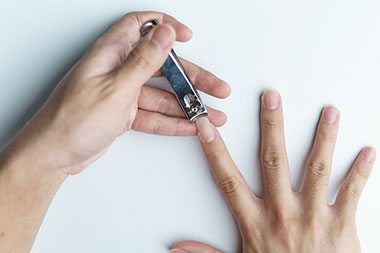
    Close up of hands clipping nails.

    Taking proper care of your nails is more than a matter of looks. Clear, strong nails are a marker of good physical health. They reflect everything from your level of stress to the quality of your diet.

    It may seem like a simple thing, but caring for your nails is an essential part of a comprehensive self-care routine. Healthy nails don’t happen by chance. Here is what you need to know to keep your nails in excellent condition.

    Keep nails trimmed and shaped

    Don’t wait for nails to break or become jagged before giving them a good trim. Fingernails, in particular, need frequent grooming to maintain a healthy shape.

    For best health, cut nails straight across. Then, use an emery board to give them a rounded shape at the tips. This will prevent breakage and minimize the risk of ingrown nails.

    The nails on your fingers grow three times faster than the nails on your toes. Plan to trim and shape them more often than your toenails.

    Care for your cuticles

    The cuticle seals the skin of your finger around the nail. Never trim or move the cuticles as this disrupts the seal and increases your risk of a nail infection. If you go for a manicure, let the technician know to leave the cuticles alone.

    Cuticles benefit from extra moisture, especially in the winter months. You can use a special cuticle moisturizer. Or, even simple hand lotion massaged into the nail area will improve cuticle health.

    Limit manicures and pedicures

    Harsh nail products and regular use of polish weaken your nails. Wearing artificial nails can make your nails thin and brittle, as well as increase the risk of infection.

    Enjoy manicures and pedicures on occasion, but make sure to give your nails a break in between. Letting your nails enjoy time without polish or products will keep them healthy and less prone to breakage.

    If you really love artificial nails, save them for special occasions and opt for a simple french manicure whenever possible.

    Don’t forget your toenails

    Because toenails do not grow as fast, they often don’t get as much care and attention. But don’t fall into the habit of ignoring them.

    Inspect toenails regularly and watch for sharp edges or ingrown nails. Also, keep a close eye out for changes in nail color which could signal a nail problem or even an infection.

    Wear comfortable shoes that don’t pinch the toes and use flip-flops at public showers or pools. These steps will keep the toenails clean and healthy.
    © American Institute for Preventive Medicine
  • What Your Fingernails Reveal About Your Health

    Skin Conditions

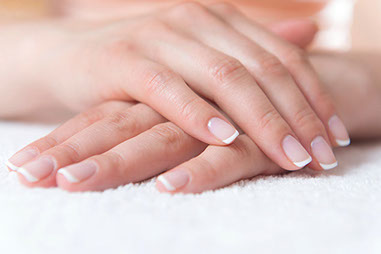
    Image of fingernails.

    You may see your hands hundreds of times a day, but do you ever examine them? Probably not. Yet taking a closer look – especially at our fingernails – may not be a bad idea. They’re a good indicator of overall health.

    Spoon-shaped nails, for example, may simply be an inherited trait – or they can be a clue to a thyroid deficiency or iron deficiency anemia. Nails that have no “moon” or white crescent at the base and are thin and brittle might indicate an underactive thyroid. Still other changes – like brittleness or pitting – may be signs of other nutritional deficiencies or injury to the nail bed. While no one can diagnose a health problem on the basis of nail irregularities only, the table on next page may tip you off to possible health problems. (Consult your doctor if you see any significant changes in your nails.)

    Barring any medical explanation for nail problems, the following tips can help your nails look healthier and more attractive.

    *  Eat a well-balanced diet that includes plenty of fresh fruits and vegetables, whole grains, lean meats, and low-fat dairy products.

    *  Wear gloves when you do household chores or hobbies to avoid contact with detergents or harsh chemicals that can dry or damage nails.

    *  Clean nails with a nail brush, especially if you garden or work with messy materials. Clip cuticles and rough skin to prevent tears. File nails in one direction only. Use an emery board, not a metal nail file.

    *  Don’t use your nails as tools, such as to remove staples. If you polish your nails, use polish remover sparingly.

    Nail Symptoms and What They Could Mean

    Brittleness: Frequent immersion in hot water; generally poor health; impaired circulation; possible deficiency of vitamins A, C, B6, or niacin, deficiency of calcium or iron; thyroid deficiency

    Clubbing: Chronic lung disease or lung cancer; congenital heart disease; congenital or hereditary defect

    Pitting (may be normal): Eczema; psoriasis; trauma

    Ridges: Emphysema; heredity; kidney failure; old age; rheumatoid arthritis, traumas

    Separation (when nail plate lifts off nail bed): Allergy to nail lacquer and hardeners; fungal infection; iron deficiency anemia; pregnancy; psoriasis; trauma

    Splitting at top edge: Immersion in water for long periods, nail polish removers

    Spoon shaped: Thyroid deficiency; iron deficiency anemia

    A Year of Health Hints book by the American Institute for Preventive Medicine. www.HealthyLife.com. All rights reserved.

    © American Institute for Preventive Medicine