Tag: nasal

  • Cautions About Sinus Rinsing

    SELF-CARE CORNER

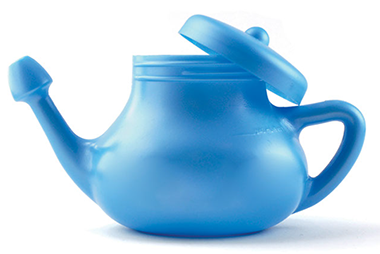
    Image of blue neti pot used to rinse nasal passages.

    Little teapots with long spouts have become a fixture in many homes for reasons that have nothing to do with tea.

    Called neti pots, they are used to rinse the nasal passages with a saline (salt-based) solution and have become a popular treatment for congested sinuses, colds and allergies, and for moistening nasal passages exposed to dry indoor air.

    The FDA has concerns about the risk of infection tied to the improper use of neti pots and other nasal rinsing devices. The agency is promoting safe practices for using all nasal rinsing devices, which include bulb syringes, squeeze bottles, and battery-operated pulsed water devices.

    These devices are generally safe and useful products, but they must be used and cleaned properly.

    Most important is the source of water that is used with nasal rinsing devices. Tap water that is not filtered, treated, or processed in specific ways is not safe for use as a nasal rinse.

    Some tap water contains low levels of organisms, such as bacteria and protozoa. These include amoebas, which may be safe to swallow because stomach acid kills them. But these “bugs” can stay alive in nasal passages and cause potentially serious infections, according to the CDC.

    The procedure for nasal rinsing may vary slightly by device, but generally involves these steps:

    *  Wash and dry hands. Check that the device is clean and completely dry. Wash the device with distilled, sterile, or boiled and cooled tap water. Then dry the inside with a paper towel or let it air dry between uses.

    *  Use the appropriate water to prepare the saline rinse, either with the prepared mixture supplied with the device, or one you make yourself with distilled or sterile water, which you can buy in stores. The label will state “distilled” or “sterile.” Boiled and cooled tap water-boiled for 3 to 5 minutes, then cooled until it is lukewarm may be used. Previously boiled water can be stored in a clean, closed container for use within 24 hours. Or use water passed through a filter with an absolute pore size of 1 micron or smaller, which traps potentially infectious organisms. CDC has information on selecting these filters, which you can buy online or from some hardware and discount stores.

    *  Lean over a sink, tilt your head sideways with your forehead and chin roughly level to avoid liquid flowing into your mouth.

    *  Breathe through your open mouth.  Insert the spout of the saline-filled container into your upper nostril so that the liquid drains through the lower nostril.

    *  Clear your nostrils, and then repeat the procedure, tilting your head sideways, on the other side. Some people like to do this procedure in the shower.

    Nasal rinsing can remove dirt, dust, pollen and other debris, as well as help to loosen thick mucus. It can also help relieve nasal symptoms of allergies, colds and flu.

    © American Institute for Preventive Medicine

  • Using Decongestants Safely

    SELF-CARE CORNER

    Image of man sneezing into a tissue.

    As we approach the peak season for colds and flu, many people turn to over-the-counter medicines for relief. And if you have a stuffy nose (known as nasal congestion), you may be thinking about taking a decongestant.

    What are decongestants?

    Decongestants are medicines designed to relieve stuffiness and pressure in the nose and sinuses. The two over-the-counter decongestants available are phenylephrine (i.e., Sudafed PE) and pseudoephedrine. Pseudoephedrine are stocked behind a pharmacy counter, but you don’t need a prescription. Both medicines work by shrinking blood vessels in the nose, allowing air to pass through more easily.

    Are decongestants safe?

    Decongestants are safe when they are used properly. Here’s what to know before you take one:

    *  Read the label and be sure you understand how much you can take and how often to take it. If you’re not sure, ask your pharmacist or doctor.

    *  Know the active ingredients. Many cold and flu products contain several active ingredients. They are listed on the drug facts label at the top. Be sure you don’t accidentally take too much of one ingredient. For instance, many cold products contain acetaminophen, a pain reliever that can be toxic in high doses. If you’ve already taken a pain reliever with acetaminophen and you take the cold medicine too, you could take too much acetaminophen.

    *  Talk to your doctor before taking a decongestant if you have diabetes, heart conditions, high blood pressure, glaucoma, prostate problems or thyroid disease.

    *  If you take other over-the-counter or prescription medicines, ask your doctor if decongestants can be safely taken with your other medicines.

    *  Do not give decongestants or any cough or cold product to kids under 4 years of age. Ask your child’s pediatrician before giving them any medicines.

    *  Talk to your doctor if you need to take a decongestant for longer than a week.

    What about nasal sprays?

    Saline nasal sprays with no medicine in them are safe to use daily, as often as needed. These can help flush out allergens and mucus so you can breathe easier. Not sure if it’s just saline? Look at the drug facts label and be sure it contains only sodium chloride as the active ingredient.

    But, decongestant sprays that contain active ingredients are not safe to take for more than three days in a row. This is because your body can become dependent on them. When this happens, your nose may become even stuffier over time, and you’ll have to use more and more spray to get relief.

    Medicines can help you cope with bothersome cold and flu symptoms. But, be safe and savvy before you take them – and keep them in a locked cabinet out of children’s reach!

    Sources: American Academy of Family Physicians, Food and Drug Administration

    © American Institute for Preventive Medicine