WORK LIFE
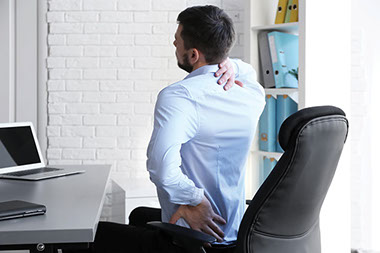
Many people sit at a desk for hours each day. And the way you sit can affect your health.
Muscles & bones
Your musculoskeletal system includes your bones, joints and muscles. These parts of the body work together to provide support and stability. They allow you to move around.
The musculoskeletal system has to change and adapt to your life. The type of shoes you wear, how you walk and even how you use devices can affect your musculoskeletal system.
The way you sit at your desk affects this system too. Slouching can cause wear and tear on the spine. This makes it more likely that you will hurt your back. It can also lead to neck or shoulder pain.
Having bad posture at your desk can lower your flexibility. It can make it harder for your joints to move, too.
Un-learning bad posture
Many people slouch without thinking about it. It becomes a habit. But there are ways to fix it and prevent more injury to your back.
Researchers think that yoga could have positive benefits for posture and health. Some evidence suggests that it could help with hyperkyphosis in older people. Hyperkyphosis is a condition that causes the spine to curve forward, giving a “hunched” appearance.
To be safe, people should talk with their doctor before doing yoga or any exercise program.
Other ways to improve posture include:
* Be aware of your posture. Set alarms or reminders that tell you to sit up straight.
* Think about your posture when you stand and walk. This can carry over to better sitting posture.
* Make sure your keyboard and computer are working for you. You shouldn’t be slouching to reach the keyboard or see the screen.
* Change positions often. Don’t sit all day with one leg crossed or your feet tucked under your chair.
* Get up for breaks. Don’t spend breaks at your desk. Take a walk or gently stretch. Don’t eat at your desk.
* Work toward a healthy weight. Extra weight around the belly can weaken abdominal muscles. This can lead to back pain.
Talk to your doctor if you have back, shoulder or neck pain. Ask them about the best exercise options for you or a possible referral to physical therapy. Exercise can help you support your body and boost your overall health, whether you’re sitting or not.
Source: National Institutes of Health
© American Institute for Preventive Medicine