Tag: nerve-pain

  • Shingles

    Skin Conditions

    Shingles (herpes zoster) is a skin condition. It is triggered by the chicken pox virus, which is thought to lie dormant in the spinal cord until later in life. Most often, shingles occurs in people over 50 years old.

    Signs & Symptoms

    *  Pain, itching, or a tingling feeling before a rash appears.

    *  A rash of painful red blisters. These later crust over. Most often, the rash appears in a band on one side of the body or in a cluster on one side of the face.

    *  Fever and general weakness can occur.

    *  The crusts fall off, usually within 3 weeks.

    *  Pain can persist in the area of the rash. This usually goes away within 1 to 6 months. Chronic pain called postherpetic neuralgia (PHN) can last longer, even for years. The older you are, the greater the chance that this is the case. The recovery time may also take longer.

    *  Blindness can occur if the eye is affected.

    *  Most cases of shingles are mild.
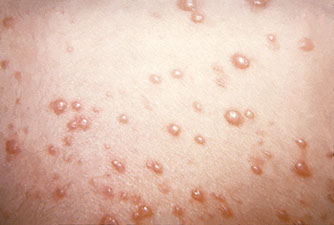
    Image of the shingles.

    Causes

    The virus that causes chicken pox – varicella zoster virus (VZV) causes shingles. To get shingles, you must have had chicken pox. You are more likely to get shingles after an illness or taking medicine that lowers the immune system. Stress or trauma can also increase the risk for shingles.

    Treatment

    If you think you might have shingles, see your doctor right away! He or she can prescribe:

    *  An oral antiviral medicine. This can make symptoms less severe and help you get better sooner. To help, this medicine needs to be started within 24 to 72 hours after the rash first appears.

    *  Medicine for pain. This includes over-the-counter pain relievers and capsaicin topical cream. Prescribed medicine may be needed for pain. A skin patch called Lidoderm may be helpful for PHN.

    *  Other medicines to treat symptoms.

    Questions to Ask

    Self-Care / Prevention

    *  A Zoster vaccine may help prevent getting shingles. It can also reduce the pain due to shingles. The vaccine is advised for persons age 60 and older.

    *  Unless your doctor has prescribed pain medicine, take an over-the-counter one as directed.

    *  Don’t wear clothing that irritates the skin area where sores are present.

    *  Keep sores open to the air. Until the blisters are completely crusted over, do not go near children or adults who have not yet had chicken pox. Do not go near persons who have a condition which weakens their immune system. Examples are cancer, HIV/AIDS, and chronic illnesses. They could get chicken pox from exposure to shingles.

    *  Wash blisters. Don’t scrub them.

    *  To relieve itching, apply calamine lotion to the affected area. You can also use a paste made of 3 teaspoons of baking soda mixed with 1 teaspoon of water.

    *  Avoid drafty areas.

    *  Put a cool compress, such as a cold cloth dipped in ice water, on the blisters. Do this for 20 minutes at a time.

    *  Drink lots of liquids.

    Resources

    National Institute of Allergy and Infectious Diseases (NIAID)

    www.niaid.nih.gov

    National Shingles Foundation

    212.222.3390
    www.vzvfoundation.org

    Healthier at Home book by the American Institute for Preventive Medicine. www.HealthyLife.com. All rights reserved.

    © American Institute for Preventive Medicine

  • Shingles (And We’re Not Talking About Your Roof)

    SELF-CARE CORNER

    Image of shingles the rash on a person's back.

    Shingles is a painful viral infection that affects 30% of Americans every year. It is caused by Varicella Zoster virus, the same virus that causes chicken pox.

    The outbreak occurs mostly in people 50 years of age and older. The virus can lie dormant in the nerve tissue of the body for many years, then becomes activated and causes shingles later in life.

    According to the Centers for Disease Control and Prevention, shingles is not passed from one person to another. However, the virus that causes shingles can spread from a person with active shingles to another person who has never had chicken pox. In such cases, the person exposed to the virus might develop chickenpox, not shingles.

    “If you are diagnosed with shingles, you are contagious as long as you have blisters and ulcers. It is important to cover your rash and wash your hands frequently. It also is important to avoid people who have not received the chicken pox vaccine, pregnant women and anyone with a weak immune system,” said Dr. Khalilah Babino, physician at Loyola University Health System and assistant professor in the Department of Family Medicine at Loyola University Chicago Stritch School of Medicine.

    A shingles outbreak can last several weeks. Before the rash appears, the following symptoms may occur:

    *  Fatigue

    *  Headache

    *  Tingling

    *  Itching

    *  Burning Pain

    After a few days, a blistering rash in clusters appears. The shingles rash is always located along the involved nerve pattern called a dermatome, typically in a band on one side of the body. Most often, the rash is on the chest and/or back, but can occur on other body parts.

    “If you develop shingles on your face, especially near your eye, you should seek immediate medical care as this type may result in loss of vision,” Dr. Babino said. The blisters that form will pop in a few days and become open sores, which are contagious. Usually, these ulcers scab over within 7 to 10 days and the rash goes away within 4 weeks.

    “Fortunately, there is antiviral medication to help slow the virus and speed recovery. The earlier the medication is started, the more effective it is against the virus. I recommend starting these medications within 72 hours of the onset of rash. Since shingles can be very painful, you might also need prescription pain medication,” Dr. Babino said.

    Most people with shingles do not suffer any complications. Still, there is a 10% chance of developing a painful condition called post-herpetic neuralgia after the rash has gone away. The pain can last from a few months to a year.

    You can decrease your risk of developing shingles and its complications by getting the shingles vaccine. One dose of shingles vaccine is advised for adults age 60 years and older, but can be given between the ages of 50 and 59.

    “People who have had shingles previously can still receive the vaccine. If you are above the age of 50 years old, you should talk to your health care provider about the shingles vaccine,” Dr. Babino said.

    © American Institute for Preventive Medicine