Tag: nicotine

  • Nutrition 2

    Healthylife® QuitWell™

    Part 5

    Variety of vegetables.

    Here are more ways you can choose healthy foods to manage cravings and any weight gain.

    Healthy Eating Behavior

    How you eat is as important as what you eat. Weight control involves developing and maintaining healthy eating behaviors. Diets are hard to stay on for a long time because they are usually boring or too rigid. If you make a lasting change in your eating behavior, you will be able to maintain a healthy weight without depending on diets.

    *  Try to always eat in the same spot in your home. Eat at a table, if possible, and avoid eating on the couch or in bed.

    *  When you eat, only eat. Avoid TV or looking at your phone.

    *  Slow down your eating pace. While tobacco/nicotine raised your blood sugar in seconds, food takes a bit longer.

    – Chew and swallow each bite before the next.

    – Pause frequently to take a drink of water or engage in conversation.

    – Put your fork or food down between bites.

    *  Start your meal with a small salad or hot soup.

    *  Before having a second serving, wait 5-10 minutes to see if you begin to feel full or satisfied with your meal.

    *  Keep less healthy foods hidden in cupboards or in the back of the fridge.

    *  Use smaller plates and utensils-this will help you feel satisfied with a healthy portion and may help you eat more slowly.

    Avoid turning to food to manage difficult emotions. Address what is bothering you, go for a walk, or call a friend. Emotional eating can lead to choices higher in sugar, salt, and saturated fat.

    Choose Healthy Snacks

    Your body may be giving you hunger cues more frequently when you quit. Your body’s natural way of managing blood sugar and metabolism takes time to go back to normal. Choosing healthy snacks can help you manage your weight and energy level.

    *  Celery stalks

    *  Bell peppers, cut into slices

    *  Cantaloupe, cut into cubes

    *  Raw carrot sticks or baby carrots

    *  Cucumber slices

    *  Tomato wedges or cherry tomatoes

    *  Broccoli or cauliflower florets

    *  Green beans

    *  Frozen veggies, microwaved

    *  Apples

    *  Peaches

    *  Oranges or grapefruit

    *  Strawberries or other berries

    *  Bananas

    *  Dried fruit

    *  100% fruit juice

    Other Healthy Snacks & Combinations:

    *  Cut-up veggies with hummus, salsa, or nut butter

    *  Pita bread with hummus

    *  Granola bar (with less than 5g sugar)

    *  Raw nuts (low-salt or no-salt)

    *  Natural peanut butter on low-salt crackers, apple slices or celery sticks

    *  Mini whole-wheat bagel with natural peanut butter or cream cheese

    *  Hard boiled eggs

    *  Trail mix with nuts, dried fruit, and seeds

    *  Yogurt with berries and nuts (with less than 10g sugar)

    *  Whole-grain crackers with cheese

    *  Oatmeal with dried fruit and nuts

    *  Scrambled eggs with veggies

    *  Nut butter on a slice of whole-grain toast

    *  Whole-grain cereal with milk

    *  String cheese and low-sodium crackers

    *  Smoothie with fruit, protein powder, and milk. Try adding avocado or leafy greens.

    © American Institute for Preventive Medicine
  • Spend Time With Animals

    Healthylife® QuitWell™

    Part 4

    Man and his dog.

    Spend time with a pet. Volunteer at a shelter. Spend time with a friend or family member’s pet. Go to a pet store, or look into adopting a rescue animal.

    Spending time with a pet can:

    *  Decrease production of cortisol, a stress hormone that can put you on edge and make you ill over time.

    *  Increase serotonin, which helps you feel relaxed and happy.

    *  Help you feel secure. Pets, especially dogs, can love unconditionally and may sense when you need extra support. Some pets are trained to help you manage certain emotions, like anxiety.

    © American Institute for Preventive Medicine
  • Balance Of Choice

    Healthylife® Weigh

    Part 1

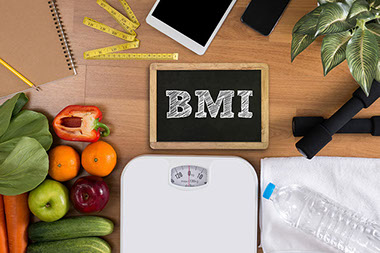
    Dumbbells, scale, towel, fruit, BMI body mass index formula rate formula in a board.

    Learn what is pulling you toward your goal and what is holding you back. All thoughts and feelings are valid. Is your goal more important to you than the challenges to achieve it? Are you pursuing this goal just because someone said you “should” do it? If you think of something later, come back to this to add another point.

    Benefits – “Pros” vs Costs-“Cons”

    Making a change.

    Pro Example: I will have more energy.

    Con Example: I won’t be able to have sweets as often as I do now.

    Not changing.

    Pro Example: I can keep all of my current habits.

    Con Example: I could keep putting on more weight.

    © American Institute for Preventive Medicine
  • Kick Cigarettes Out Of Your House

    SELF-CARE CORNER

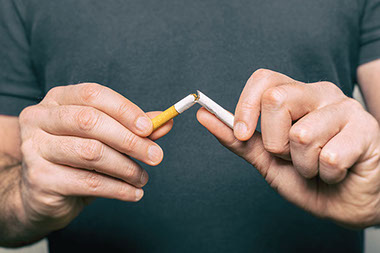
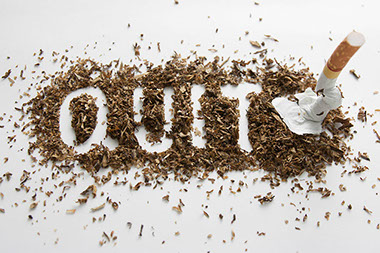
    Image of the word "Quit" spelled within a pile of tobacco with a crused cigarette.

    You know that smoking can cause health problems, including heart disease and cancer. But if you smoke inside your home, you could be hurting everyone who lives with you. Anyone who is around cigarette smoke is exposed to secondhand smoke.

    *  Secondhand smoke contains more than 4,000 chemicals. Many of these have been proven to cause cancer and irritate the lungs.

    *  Secondhand smoke can trigger asthma attacks and they happen more often and with more severity in children.

    *  Children whose parents smoke have more ear infections, bronchitis and pneumonia.

    You and your family can be healthier if you don’t allow any smoking in your home. And don’t allow guests to smoke in your home or around your children. If your children regularly visit another home, such as a child care provider, make sure no one smokes in that home.

    If you need help quitting, call 1-800-QUIT-NOW or visitsmokefree.govfor free resources.

    Source: Asthma and Allergy Foundation of America

    © American Institute for Preventive Medicine