Tag: nutrients

  • Cracking The Benefits Of Eggs

    HEALTHY EATING

    Image of an egg in a frying pan.

    Very low sugar

    For people who need to watch their sugar or carbohydrate intake, eggs can be a good option. A large egg contains less than a fifth of a gram of natural sugar.

    Protein

    A large egg contains about 6 grams of high-quality protein. Protein can help you feel fuller, longer. This is because it’s slower to digest than carbohydrates.

    Protein is the building block for many important functions in the body. It helps build new skin, bones, muscles and blood.

    Protein may also help you keep your energy levels up throughout the day.

    Healthy fats

    Eggs contain omega-3 fats. These fats help with brain function. Experts think omega-3 fats may also help improve heart health.

    Eggs are low in saturated fat. Saturated fat is the type of fat linked to heart disease and other health problems. Most of the fat in eggs is found in the yolk.

    Vitamins and minerals

    Eggs contain a number of vitamins, including:

    *  Vitamin A, which is important for eye health

    *  Vitamin B12, which helps make red blood cells

    *  Folate, which can help prevent certain birth defects in pregnant women and is needed to make DNA in the body

    *  Vitamin D, which is important for bone health and immune system function

    Eggs also contain minerals that the body needs, such as iron, selenium and iodine.

    Enjoy eggs safely

    Eggs should be cooked thoroughly before eating. Raw or undercooked eggs can have dangerous bacteria like salmonella. This can make a person very sick. But, cooking eggs until the yolks are firm helps avoid this risk. Eggs should also be kept in the refrigerator. Don’t use any eggs that are past the expiration date.

    If you have any health conditions, ask your doctor before making changes to your diet.

    Sources: Academy of Nutrition and Dietetics, National Institutes of Health, United States Department of Agriculture

    © American Institute for Preventive Medicine
  • Fun Facts About Cruciferous Vegetables

    HEALTHY EATING

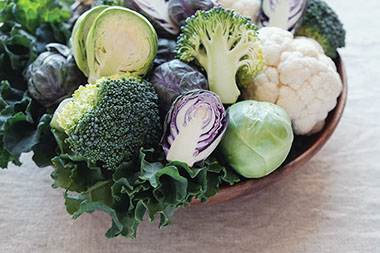
    A bowl filled with broccoli and brussels sprouts.

    *  The word “cruciferous” means “cross bearing.” These vegetables got this name because the four petals on cruciferous vegetables make a cross shape.

    *  Brussels sprouts and broccoli are rich in magnesium. This mineral is needed for hundreds of different functions in the body, including bone health, muscle relaxation, nerve function and blood sugar control.

    *  Cruciferous vegetables get their taste and aroma from sulfur compounds called glucosinolates. Glucosinolates help the body protect cells from damage. This could be a factor in preventing some types of cancer.

    Sources: Academy of Nutrition and Dietetics, American Institute for Cancer Research

    © American Institute for Preventive Medicine

  • Healthy Eating 4

    Nutrition

    Family sitting around table eating.

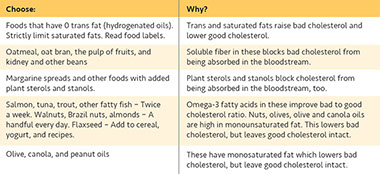
    Choose foods that help lower LDL (bad) cholesterol and raise HDL (good) cholesterol. Medicines have a big impact on improving blood cholesterol (lipid) levels.  Follow your doctor’s advice for taking medications.

    Action Step:Take a walk at least 30 minutes a day, five days a week. Lose weight. Weight loss and moderate physical activity raise HDL (good) cholesterol.

    Page from HealthyLife Weigh book by the American Institute for Preventive Medicine. www.HealthyLife.com. All rights reserved.

    © American Institute for Preventive Medicine
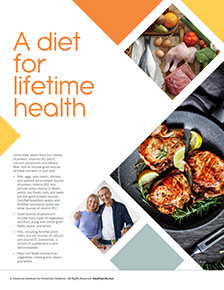
  • A Diet For Lifetime Health

    Mature Health: Over Age 50

    Image rich in B vitamins.

    Studies show that some older adults are deficient in vitamins B6, B12, and folate (a B vitamin). To guard against vitamin deficiencies, plan a diet that includes food sources of these nutrients.

    *  Lean meats, chicken, organ meats and fish, are high in B6.

    *  Milk, eggs, and lean meats are excellent sources of B12.

    *  Asparagus, brussels sprouts, and almost all green, leafy vegetables are high in folate. Other sources are cantaloupe, orange juice, and fortified grain products.

    *  Citrus fruits, tomatoes, cantaloupe, strawberries, green pepper, and broccoli are rich in vitamin C.

    It is also important to get adequate protein and calcium daily. Low-fat dairy products are rich sources of calcium. Two servings a day of 2 to 3 ounces of meat, chicken, or fish provide the protein you need. Other sources of protein include cooked dried beans, peanut butter, milk, and eggs.

    A Year of Health Hints book by the American Institute for Preventive Medicine. www.HealthyLife.com. All rights reserved.

    © American Institute for Preventive Medicine

  • A Changing Food Label

    Healthylife® Weigh

    Part 3

    Man reading food label.

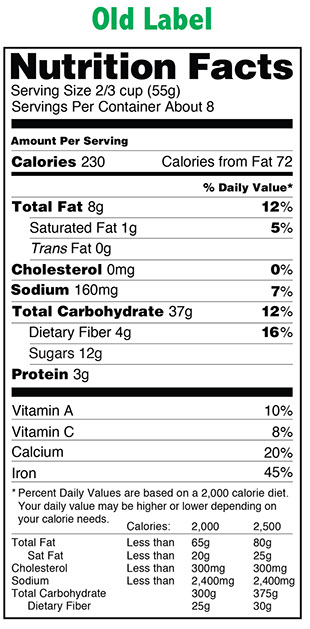
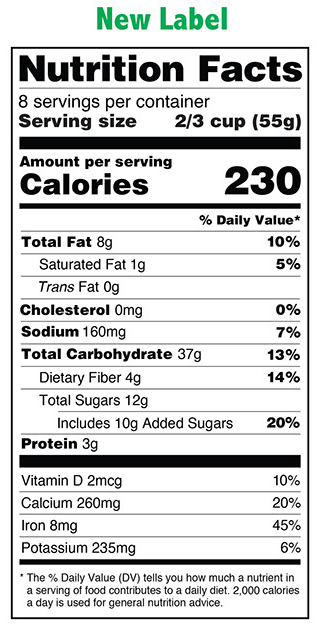
    In 2016, the FDA approved a new food label. The new food label is already on many foods. By mid-2021, all food labels will look like the new label. The new label will help you make more informed choices about what you eat. The changes are shown in the graphic below.

    Graphic of old and new food labels.
    Graphic of old and new food labels.

    © American Institute for Preventive Medicine
  • Add A Stress-Busting Food To Your Day

    Healthylife® Weigh

    Part 6

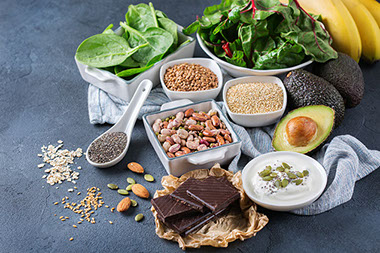
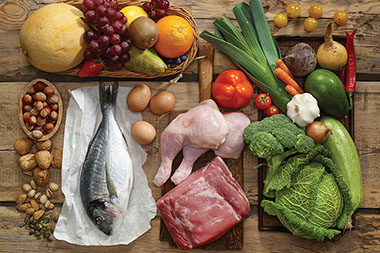
    Variety of food items high in magnesium.

    What you eat may impact your mood. Make sure you are eating a balanced diet with nutrient-dense foods. B vitamins and magnesium can be helpful for managing anxiety and boosting your mood. Avoid foods and drinks high in sugar that can cause mood swings and fatigue.

    B Vitamins

    B vitamins can stimulate the brain’s production of serotonin. This helps you relax and feel good.

    Good Sources of B Vitamins

    *  Animal products: fish, poultry, meat, eggs, or dairy

    *  Whole grains, beans and lentils

    *  Fruits and vegetables, especially leafy greens, papayas, oranges, and cantaloupe

    *  Fortified breakfast cereals and enriched soy or rice milk

    *  Nuts, such as almonds, pistachios, and walnuts

    Magnesium

    Magnesium has a calming effect on the brain. It can help relax muscles, blood vessels, and the gastrointestinal tract. Magnesium can also boost serotonin and reduce mood swings.

    Good Sources of Magnesium:

    *  Dark leafy greens

    *  Nuts, seeds, and dried fruit

    *  Beans and lentils

    *  Whole grains

    *  Avocados and bananas

    *  Dark chocolate

    *  Yogurt

    *  Fish

    © American Institute for Preventive Medicine
  • Choose A Variety Of Foods

    Healthylife® Weigh

    Part 2

    Group of happy friends preparing food.

    No one food has all the nutrients needed to sustain life and promote well-being. You need to eat a variety of foods to get all of the nutrients your body needs. Some foods provide more nutrients than others. Food can be a source of pleasure, but its main purpose is to provide nutrients that your body cannot make.

    Choose foods that are nutrient dense. This means they give you a lot of nutrients per calorie. Examples are:

    *  Fruits and vegetables

    *  Whole grains

    *  Fat-free or low-fat dairy foods and drinks

    *  Seafood, lean meats, and eggs

    *  Beans, nuts, and seeds

    Some foods contain ingredients that may harm you or are difficult for your body to digest. Limit foods and beverages high in saturated fat, added sugars, or sodium. To do this, choose fewer of these foods:

    *  Sugar-sweetened drinks and desserts

    *  Refined grains (bread, chips, and crackers)

    *  Red meat and high-fat dairy and cheese

    *  Highly processed meats and cheeses

    Everything you eat or drink does not have to be nutrient dense. One meal won’t make or break your health. The trends in your diet are more important.

    © American Institute for Preventive Medicine

  • Eat The Rainbow!

    Healthylife® Weigh

    Part 2

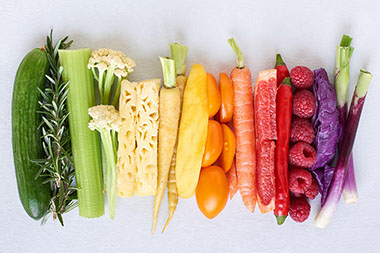
    Rainbow spectrum of healthy fresh fruit and vegetables.

    Choose a variety of colors when selecting fruits and vegetables. Different colors represent different phytonutrients. Phytonutrients are plant chemicals that have antioxidant and anti-inflammatory qualities. Every time you eat is an opportunity to strengthen your body and prevent disease.

    Red

    *  Improved memory

    *  A healthy heart

    *  Improved digestion

    *  Examples

    –  Tomatoes

    –  Beets

    –  Radishes

    –  Red peppers

    –  Red onions

    –  Rhubarb

    –  Cherries

    –  Red apples

    –  Red grapes

    –  Red pears

    –  Raspberries

    –  Strawberries

    –  Watermelon

    Orange/Yellow

    *  Good vision in low light

    *  A healthy heart

    *  Strength to fight off colds & illness

    *  Healthy skin

    *  Improved circulation

    –  Apricots

    –  Cantaloupe

    –  Nectarines

    –  Peaches

    –  Yellow apples

    –  Yellow pears

    –  Carrots

    –  Sweet potatoes

    –  Yellow peppers

    –  Yellow potatoes

    –  Yellow summer squash

    –  Sweet corn

    –  Yellow tomatoes

    –  Butternut squash

    White

    *  A healthy heart

    *  Lower risk for stroke

    *  Lower risk for some cancers

    –  Brown pears

    –  White peaches

    –  Cauliflower

    –  Kohlrabi

    –  Onions

    –  Garlic

    –  Potatoes

    –  White corn

    –  White nectarines

    Green

    *  Good vision in low light

    *  Strong bones & teeth

    *  Organ health

    –  Green apples

    –  Green grapes

    –  Green pears

    –  Honeydew

    –  String beans

    –  Spinach

    –  Broccoli

    –  Sugar snap peas

    –  Brussels sprouts

    –  Green cabbage

    –  Green onions

    –  Green peppers

    –  Cucumbers

    –  Leafy greens

    –  Lettuce

    –  Peas

    –  Asparagus

    –  Zucchini

    Blue/Purple

    *  Improved memory

    *  Healthy aging

    –  Blackberries

    –  Blueberries

    –  Dried plums

    –  Pitted prunes

    –  Purple asparagus

    –  Purple cabbage

    –  Eggplant

    –  Plums

    © American Institute for Preventive Medicine