Tag: Nutrition Basics

  • Plant-Forward Eating

    HEALTHY EATING

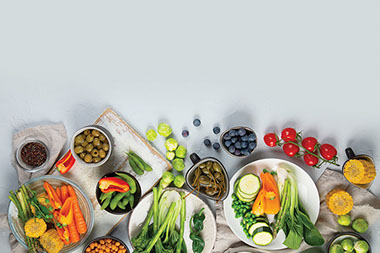
    Variety of plant based foods.

    A plant-forward style of eating is one that features plant foods as the star of most meals. Animal foods such as meat and dairy may be included but are not the main focus. There are many ways to be plant-forward and improve the health of your diet.

    How it works

    Plant-forward eating is less of a diet prescription and more of a healthy food mindset.

    Each meal begins with the question: “what plants can I add to my plate?” Animal products should be a secondary consideration and eaten in small amounts.

    A plant-forward diet focuses on:

    *  Whole grains such as brown rice, quinoa, amaranth, bulger, whole wheat, millet, and oatmeal

    *  Plant proteins such as nuts, nut butter, seeds, soy, beans, peas, and lentils

    *  A variety of vegetables of every color

    *  Whole fruits

    *  Quality plant fats such as olive oil, avocados, canola oil, and nuts

    Benefits

    Plant-forward eating has many benefits to physical health. Diets high in plant foods are linked to improved health and a lower risk of disease. Eating less meat reduces your risk of:

    *  Obesity

    *  Heart disease

    *  Stroke

    *  Type 2 diabetes

    *  High blood pressure

    *  High blood lipids

    *  Certain cancers

    In addition, a plant-focused diet benefits the environment. Fewer animal products may translate to lower greenhouse gas emissions and more responsible land, energy, and water usage.

    Getting started

    Gradual change over time is the best way to create healthy habits. It also helps to get family members on board with “plant forward.” Here’s how to get started:

    *  Take it one meal at a time. Start with just breakfast or lunch being meat-free.

    *  Find a few simple, meatless recipes to try. Look for those big on flavor.

    *  Add more of the plant foods you already love to your plate and shopping cart. Gradually branch out for more variety.

    *  Swap out the meat in a recipe for a plant protein like beans or tofu.

    *  Aim to make three-fourths of your plate plant foods.

    *  Reduce your meat portions by half.
    © American Institute for Preventive Medicine

  • The Mighty Cruciferous

    HEALTHY EATING

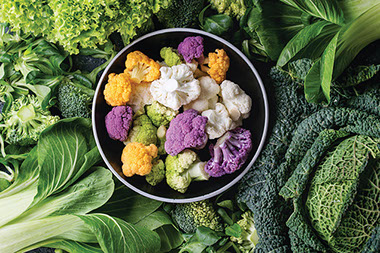
    Different colored cauliflower in bowl, surrounded by bok choy, cabbage, kale.

    Cruciferous vegetables are among the most well-studied, cancer-fighting foods. This incredible group of vegetables is packed with nutrients that support good health and may prevent cancer growth.

    Cruciferous vegetables

    The name “cruciferous” comes from the cross-like shape (crucifer) of the four-petaled flowers these plants produce. They include:

    *  Broccoli

    *  Cauliflower

    *  Cabbage

    *  Brussel sprouts

    *  Kale

    *  Collard greens

    *  Bok choy

    Key nutrients

    Cruciferous vegetables are nutrient-dense, meaning they provide lots of nutrition in a low amount of calories. Some of their most important nutrients include:

    *  Vitamins C, E, and K

    *  Folate

    *  Carotenoids

    *  Fiber

    *  Potassium

    *  Selenium

    *  Glucosinolates, which are sulfur-containing compounds that are central to their cancer-fighting benefits.

    Cancer-fighting benefits

    While more research is needed, cruciferous vegetables may provide these benefits:

    *  Protect cellular DNA from damage

    *  Neutralize carcinogens

    *  Have anti-inflammatory effects

    *  Inhibit tumor blood vessel formation and metastasis

    *  Induce tumor cell death

    © American Institute for Preventive Medicine

  • Turmeric

    HEALTHY EATING

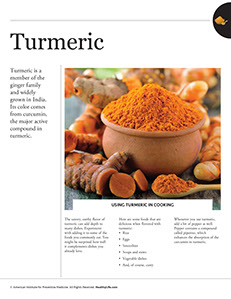
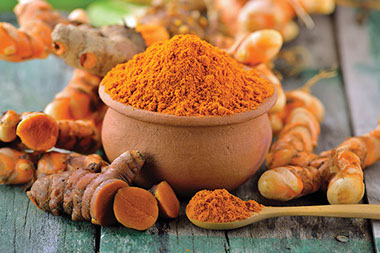
    Small bowl filled with turmeric spice.

    Turmeric is a member of the ginger family and widely grown in India. Its color comes from curcumin, the major active compound in turmeric.

    Using Turmeric In Cooking

    The savory, earthy flavor of turmeric can add depth to many dishes. Experiment with adding it to some of the foods you commonly eat. You might be surprised how well it complements dishes you already love.

    Here are some foods that are delicious when flavored with turmeric:

    *  Rice

    *  Eggs

    *  Smoothies

    *  Soups and stews

    *  Vegetable dishes

    *  And, of course, curry

    Whenever you use turmeric, add a bit of pepper as well. Pepper contains a compound called piperine, which enhances the absorption of the curcumin in turmeric.

    © American Institute for Preventive Medicine

  • Bring On The Barley

    HEALTHY EATING

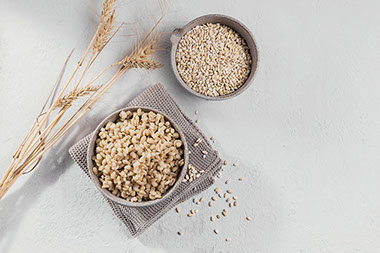
    Two bowls filled with barley, one cooked, one raw.

    In its whole-grain form, barley is packed with a wealth of beneficial nutrients. Known for its nutty flavor and slightly chewy texture, it makes a great addition to soups, salads, and many other dishes.

    What’s in it

    *Fiber:One-quarter cup of uncooked, whole-grain barley (3/4 cup cooked) has 8 grams of fiber.

    *Beta-glucan:One of the unique fiber types in barley, beta-glucan, has been shown to lower blood LDL-cholesterol levels by aiding cholesterol excretion from the body.

    *Antioxidants:Contains many vitamins, minerals, and phytochemicals. Vitamin E and lignans are two antioxidants in whole-grain barley.

    *Minerals:It provides a good source of iron, selenium, copper, and magnesium.

    Health benefits

    A diet high in whole grains, such as barley, is widely recognized as beneficial to health. It may:

    *  Reduce the risk of heart disease

    *  Support healthy digestion

    *  Aid in weight management and weight loss

    *  Reduce the risk of type 2 diabetes

    *  Lower chronic inflammation

    *  Decrease the risk of cancer

    *  Support bone health

    Types of barley

    To get the health benefits of eating barley, you need to eat the whole-grain form. When a grain is refined, the bran and germ are stripped away, removing some key nutritional value, including its fiber.

    Barley comes in several forms, some of which are whole and some refined. Choose a whole-grain version!

    Whole grain barley

    *  Hulled barley

    *  Hulled barley grits

    *  Hulled barley flakes

    *  Whole grain barley flour

    Refined barley

    *  Pearl barley

    *  Quick pearl barley

    © American Institute for Preventive Medicine

  • Drink Water, The Nutrient For Every Cell

    Nutrition

    Image of person filling up glass with tap water.

    Two-thirds of your body is composed of water, making it your body’s most vital nutrient. Water:

    *  Provides a valuable source of minerals, like calcium and magnesium.

    *  Helps digest food and absorb nutrients into the body.

    *  Carries nutrients to organs via the bloodstream.

    *  Moistens mucous membranes and lubricates the joints.

    *  Carries away bodily waste products.

    *  Cools the body through perspiration.

    Many people underestimate their need for water. The average adult should drink six to eight 8-ounce glasses of water (or its equivalent) a day. You can meet part of that quota by consuming high water content foods.

    Some examples include:

    *  Iceberg lettuce (95 percent water).

    *  Cantaloupe (91 percent water).

    *  Raw carrots (88 percent water).

    Page from A Year of Health Hints book by the American Institute for Preventive Medicine. www.HealthyLife.com. All rights reserved.

    © American Institute for Preventive Medicine

  • Drink Your Fill

    Nutrition

    Hand pouring water into a glass.

    Our bodies continually lose water throughout the day. With water being vital for your body to function optimally, it’s important to stay hydrated. Although water-intake needs differ from person to person, an easy rule to aim for is 8×8 – drink eight-ounce glasses eight times a day. When the air is drier, such as in winter, you may need to drink even more water each day to replenish your skin so that it stays moist. You also need more when you do an activity that makes you sweat.

    Be More Earth-Friendly

    Using less plastic means eliminating it from the start. Choose brands that select non-plastic packaging or buy in bulk, using bags and bottles you bring from home.

    Page from HealthyLife Weigh book by the American Institute for Preventive Medicine. www.HealthyLife.com. All rights reserved.

    © American Institute for Preventive Medicine

  • Fiber Up

    Nutrition

    Fiber is an indigestible carbohydrate. It helps people stay healthy by preventing constipation, and in certain forms seems to lower cholesterol levels. Unfortunately, fiber is processed out of many grain foods like bread and cereal. Choose foods with whole grains over ones with refined grains.

    A general recommendation is to get 20 to 35 grams of dietary fiber a day. Fruits, vegetables, beans, and grains all contain dietary fiber. Dietary fiber consists of two kinds of fiber: soluble fiber (meaning it dissolves in water) and insoluble fiber (meaning it doesn’t dissolve in water).

    The following foods are especially good sources of soluble fiber, which may be helpful in lowering cholesterol.

    *  Barley bran.

    *  Dried beans, cooked.

    *  Legumes.

    *  Oat bran.

    The following foods are especially good sources of insoluble fiber, which help prevent constipation.

    *  Corn bran.

    *  Nuts.

    *  Vegetables.

    *  Wheat bran.

    Most fruits, vegetables, and grain products contain both soluble and insoluble fiber, though, so eating a wide variety of foods can help you get your fair share of both soluble and insoluble fiber.

    Note: Many people rely on breakfast cereals as their main source of fiber. While eating a high-fiber cereal is a good start, it’s not the whole answer. Many high-fiber cereals supply 10 to 13 grams of fiber per 1/4 to 1/3 cup serving. That’s a respectable amount. But to get your fiber quota from high-fiber breakfast cereal alone, you’d need to eat two or three times the manufacturer’s suggested serving. It’s better to include some fruit, vegetables, and beans in your menu later in the day to balance out your fiber intake.

    Page from A Year of Health Hints book by the American Institute for Preventive Medicine. www.HealthyLife.com. All rights reserved.

    © American Institute for Preventive Medicine

  • Healthy Eating 4

    Nutrition

    Family sitting around table eating.

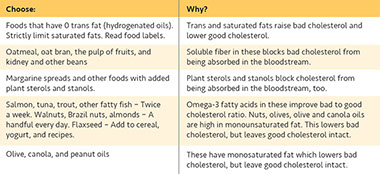
    Choose foods that help lower LDL (bad) cholesterol and raise HDL (good) cholesterol. Medicines have a big impact on improving blood cholesterol (lipid) levels.  Follow your doctor’s advice for taking medications.

    Action Step:Take a walk at least 30 minutes a day, five days a week. Lose weight. Weight loss and moderate physical activity raise HDL (good) cholesterol.

    Page from HealthyLife Weigh book by the American Institute for Preventive Medicine. www.HealthyLife.com. All rights reserved.

    © American Institute for Preventive Medicine

  • Reach For A Rainbow Of Fruits & Veggies

    Nutrition

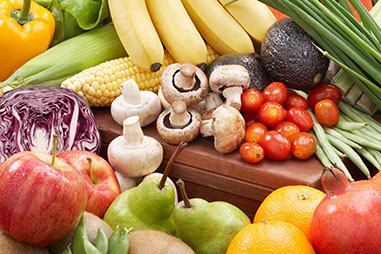
    Image of various fruits and veggies.

    Pick, buy, and eat nature’s healthy foods.

    Fruits and veggies contain essential vitamins, minerals, antioxidants, and fiber that may help protect you from chronic health problems, including stroke, certain cancers, and heart diseases. Health experts agree that half your daily intake of food should be fruits and veggies. Sadly, studies show that most people don’t eat enough colorful foods from nature.

    Put some color into your meals and snacks.

    Fruits and veggies are nature’s art, but their real beauty comes from what’s inside. The more colorful the foods on your plate, the more beneficial nutrients you will receive. For example:

    *  Lentils, artichokes, and chick peas are high in fiber.

    *  Spinach and asparagus have folate, a B vitamin.

    *  Sweet potatoes, pumpkin, and carrots are rich with Vitamin A.

    *  Strawberries, oranges and tomatoes are high in Vitamin C.

    *  Potatoes, bananas, prunes, dried peaches, and apricots are high in potassium.

    Grab and go tips:

    *  Keep a bowl of fresh fruits on the counter.

    *  Keep cut and ready-to-eat veggies front and center in the fridge. Examples are avocados, bell peppers, broccoli, carrots, cauliflower, celery, cucumbers, and grape or cherry tomatoes.

    *  Buy fresh fruits in season.

    *  Stock fruits that are dried, frozen, and canned (in water or 100% fruit juice).

    *  Choose packaged fruits without added sugars.

    *  Include a tangerine, banana or grapes with lunch.

    *  Add cut-up fruit to tossed salads.

    *  Keep packages of dried fruit in your desk drawer – pineapple, bananas, cherries, figs, dates, cranberries, blueberries, raisins, etc.

    *  Stock the freezer with frozen juice bars (100% juice).

    *   Experiment with different textures, such as crunchy apples, creamy bananas, and juicy oranges.

    Action Step

    Under clean, running water, gently rub fruits to remove dirt, bacteria and chemicals. Produce with nooks and crannies – broccoli, cauliflower, and lettuce – should be soaked for 1 to 2 minutes in clean water.

    Page from Ways to Well-Being book by the American Institute for Preventive Medicine. www.HealthyLife.com. All rights reserved.

    © American Institute for Preventive Medicine