Tag: Nutrition Basics

  • The Importance Of Portions: Size Matters

    HEALTHY EATING

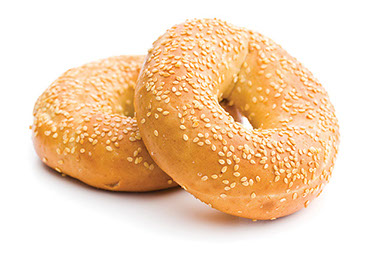
    Image of 2 bagels.

    If it seems like food portions are bigger today than they were years ago, it’s not your imagination. Health experts say that food sizes – and obesity rates – have grown in the last 20 years. Focusing on healthy foods is important. But portion sizes are also an important factor to think about when you eat. Whether it’s a cookie or a plate of spaghetti, how much you eat is just as important as what you eat. After all, the total calories you consume each day can mean the difference between gaining weight and losing it.

    Reality check: Portions are bigger today

    Take a look at these food comparisons, and find out what you need to do to burn off those extra calories.

    Bagel

    20 years ago: 140 calories, 3-inch diameter

    Today: 350 calories, 6-inch diameter

    Calorie difference: 210 calories

    You have to rake leaves for 50 minutes to burn the extra 210 calories. (Based on 130-pound person)

    Cheeseburger

    20 years ago: 330 calories

    Today: 590 calories

    Calorie difference: 260 calories

    You have to lift weights for 1.5 hours to burn the extra 260 calories. (Based on 130-pound person)

    Soda

    20 years ago: 85 calories, 6.5 ounces

    Today: 250 calories, 20 ounces

    Calorie difference: 165 calories

    You have to work in the garden for 35 minutes to burn 165 calories. (Based on 160-pound person)

    Source: National Heart, Lung, and Blood Institute Obesity Education Initiative

    © American Institute for Preventive Medicine
  • Olive Oil

    HEALTHY EATING

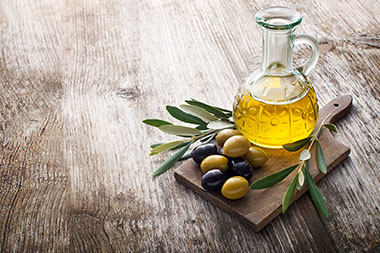
    Image of olives and olive oil.

    Olive oil is a more healthful choice than many other cooking fats. Using olive oil in place of saturated fats has been shown to help lower bad cholesterol and raise good cholesterol levels, which is why olive oil is heart healthy.

    Know these facts about olive oil, from the North American Olive Oil Association:

    *  Extra virgin olive oil is the most flavorful olive oil, with an unlimited range of flavors spanning from smooth and subtle to peppery and pungent. A finishing drizzle of extra virgin olive oil can enhance the texture, taste, and aroma of food.

    *  Olive oil, sometimes referred to as “classic” or “pure” olive oil, has a milder flavor with just a hint of fruitiness. The subtle flavor of olive oil makes it a perfect everyday cooking oil and easily adapts to a number of cooking methods such as grilling, sautéing, roasting, frying, and baking.

    *  Use bottled olive oil within 8 to 12 weeks of opening. Sealed packages can keep for up to 2 years.

    *  Dark bottles or tins are best at reducing potential damage from light.

    *  Avoid packages that show signs of improper handling or storage such as dust on the bottle, broken or loose seal on the cap, or an orange tint to the oil, which could indicate overexposure to fluorescent lighting or that heat has damaged the oil.

    *  Look for a country of origin statement, which is required by federal labeling laws and is typically found on the back label near the nutritional information.

    © American Institute for Preventive Medicine

  • Seeds 101

    HEALTHY EATING

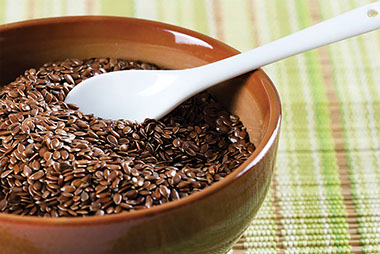
    Image of flax seeds in a bowl.

    Edible seeds can play an important part in the human diet, not only because they’re nutritious, but they can also add appearance, texture, and taste to a variety of foods. Experts at the Institute of Food Technologists provide a short lesson in popular seeds:

    Seed: Chia

    Origin:Mexico, Central America

    Taste:Mild, slightly nutty

    Uses:Cookies, salads, oatmeal, soups, yogurt, baked goods

    Nutritional Value:Contains the highest levels of total omega-3 fatty acids of any plant source, rich in fiber, protein, antioxidants, vitamins, and minerals

    Health Benefits:Helps control blood sugar levels, promotes satiety (feeling of fullness after eating), and slows the breakdown of carbohydrates

    Fun Fact:When added to water, chia seeds can swell to 12 times their weight in liquid and create a gel that could be used as an alternative to eggs and some oils in recipes.

    Seed: Quinoa

    Origin:South America

    Taste:Mild, slightly nutty

    Uses:Breakfast cereals, artisan-style breads, muffins, pizza crusts, bakery products, salads, meat-free burgers, vegan and vegetarian products

    Nutritional Value:Contains the highest protein levels of all the cereal grains, good source of magnesium, vitamin E, potassium and fiber

    Health Benefit:Provides all of the essential amino acids for optimal health

    Fun Fact:The United Nations has declared 2013 the “International Year of Quinoa.” Pronounced KEEN-wha.

    Seed: Flax

    Origin:Eastern Mediterranean to India

    Taste:Mild, nutty

    Uses:Soups, salads, stews, hamburgers, hot and cold cereals, chilies, sauces and dips, fruit smoothies, cookies, muffins and bread dough, dairy-free milk product for people with lactose-allergies

    Nutritional Value:Source of polyunsaturated fat, omega-3 fatty acids, essential amino acids, antioxidants, folate, vitamin B-6, magnesium potassium, and iron

    Health Benefit:Easily digestible

    Fun Fact:The seed was valued as both a food and a medicine in ancient Mesopotamia 10,000 years ago.

    Seed: Sunflower

    Origin:North America

    Taste:Mild

    Uses:Baked goods such as bagels, muffins, multigrain breads, and in trail mixes, hot breakfast cereals, coated in chocolate for confectionary applications, sprinkled in yogurt or on salads, and much more

    Nutritional Value:Contains polyunsaturated oil

    Health Benefit: Weight management

    Fun Fact:Used by Native Americans as a high-energy food source

    © American Institute for Preventive Medicine
  • Tasty News

    HEALTHY EATING

    Image of women of a hot cup of tea.

    What we view as the sense of taste is actually a combination of smell, taste, and texture, with smell playing a major role. A single taste bud can have dozens of receptor cells that send signals of sour, sweet, salty, and bitter through nerve channels to the brain.

    The tongue is covered with taste buds, and the back of the mouth is sensitive to bitter tastes-perhaps as a last-ditch chance to expel something toxic. Taste also plays a role in digestion, preparing the stomach for a meal.

    But one of the most interesting things about taste, according to University of Virginia neuroscientist David Hill, is that taste cells regenerate, or turn over, about every 10 days, much like skin cells.

    Burn your tongue? No worries; those cells will regrow and you’ll regain your normal sense of taste within days.

    © American Institute for Preventive Medicine

  • Understanding Carbs

    HEALTHY EATING

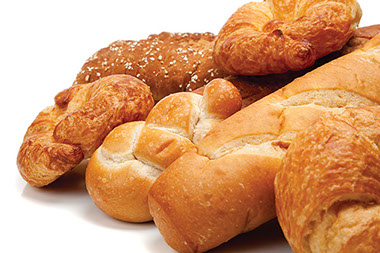
    Image of different type of breads.

    Carbohydrates (or carbs) are one of the main types of nutrients in our diets. Fats and protein are other nutrients.

    Carbs with a simple chemical structure are called sugars. Sugars are found naturally in foods such as fruits, vegetables, and milk products. They’re also added to many foods and drinks.

    Complex carbs, such as starches and fiber, are found in whole-grain breads and cereals and in starchy vegetables such as potatoes.

    Your digestive system changes the carbs you eat into glucose, a type of sugar that your body uses for energy.

    Simple carbs are more quickly digested and absorbed than complex carbs, so simple carbs can raise your blood glucose levels faster and higher. If you have diabetes, you need to manage your blood glucose levels. High blood glucose can damage your tissues and organs.

    It makes sense to eat more complex carbs, according to researchers at NIH. And not just people with diabetes, but everyone. Complex carbs are more gradually absorbed and help control blood sugar levels.

    Whole foods with complex carbs will give you more minerals and vitamins too and are usually good sources of fiber.

    Make Wise Carb Choices

    *  Try different kinds of beans and lentils.

    *  Choose cereals high in fiber (5 or more grams per serving, read the label for this information).

    *  Switch to whole grains. Look for whole-grain bread, whole-wheat pasta, brown or wild rice, barley, quinoa, and bulgur.

    *  Eat more fresh fruits and vegetables and drink less juice.

    *  Snack on fruit and small portions of nuts and seeds.

    *  Limit candy.

    © American Institute for Preventive Medicine

  • What Are Healthy Fats?

    HEALTHY EATING

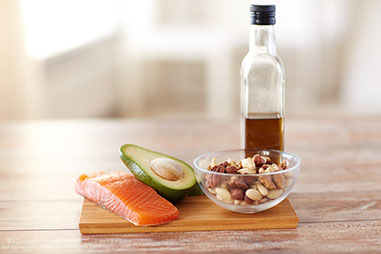
    Image of healthy fats.

    Low-fat diets and low-fat foods have been around for years. But should we really be avoiding fat for better health?

    The answer isn’t simple. Although quantity of fat does matter, quality is also very important. Your body needs some fat to function and stay healthy. So, eating the right kinds of fats can have health benefits.

    The different kinds of fats

    The American Heart Association recommends no more than 35 percent of your total calories from fats. And most, if not all, should be from healthy sources.

    *Saturated fatcomes mostly from animal products, such as meat and full-fat dairy. Saturated fat may raise cholesterol. So limit it to 6 percent of your total daily calories.

    *Trans fatsare found in some processed foods. If the ingredients list partially hydrogenated oil, the food contains trans fats. These fats raise “bad” LDL cholesterol and lower your “good” HDL cholesterol. Avoid trans fats as often as possible.

    *Monounsaturated and polyunsaturated fatsare healthy fats that can improve cholesterol and decrease the risk of heart disease. They should be used in place of saturated fats and trans fats.

    What to eat for healthy fats

    These foods contain healthy fats. But, stay within your calorie limits to avoid weight gain.

    Omega-3 is a polyunsaturated fat that is considered heart healthy. Good sources of omega-3 include:

    *  Fatty fish, such as salmon, albacore tuna and sardines – Enjoy fish up to twice per week.

    *  Canola oil – Use canola in place of butter, margarine or other cooking oils.

    *  Eggs – Some companies feed their chickens a diet high in omega-3s, which leads to more of this fat in the eggs. Check for omega-3 content on the label.

    *  Walnuts – Try walnuts in breads and on salads.

    *  Flaxseeds – Look for ground (not whole) flaxseeds and add them to cereal, yogurt and smoothies.

    Monounsaturated fats can be a healthy addition to your diet, especially if you eliminate saturated and trans fats. Foods that have monounsaturated fats include:

    *  Nuts – Because nuts are high in calories, keep portion sizes small. Love peanut butter? Avoid those with added sugar, salt or hydrogenated oil.

    *  Avocados – Use them in dips, smoothies, salads, sandwiches and pasta.

    *  Olive oil – Use it in salad dressings and stir frys and as a dip for whole grain bread.

    Food labels will tell you what the saturated and trans fat content is, so check this before you buy.

    Sources: American Heart Association, Academy of Nutrition and Dietetics

    © American Institute for Preventive Medicine

  • What Is A Serving Size, Anyway?

    HEALTHY EATING

    Image of family eating dinner.

    Even if you know you need to eat smaller portions, that’s only part of the battle. You’ll need to learn how to recognize serving sizes of foods so you can put the right amount on your plate each day. Here’s a list of food group servings to help:

    Vegetables

    Fresh, frozen or canned: 5 servings per day

    Leafy greens: 1 cup

    Cut-up vegetables: ½ cup

    Cooked beans or peas: ½ cup

    100% vegetable juice: ¼ cup

    Fruits

    Fresh, frozen, canned, or dried: 4 servings per day

    Whole fruit: 1 medium fruit

    Cut-up fruit: ½ cup

    100% fruit juice: ¼ cup

    Dried fruit: ¼ cup

    Grains

    6 servings per day

    Bread: 1 slice (a 2-slice sandwich is 2 servings of grains)

    Pasta or rice uncooked: 1 oz (⅛ cup)

    Cooked rice, pasta, or cereal: ½ cup

    Popcorn: 1 oz. (⅛ cup) uncooked

    At least half should be whole grain and high in fiber.

    Dairy

    (or non-dairy milks with added calcium and vitamin D): 3 servings per day

    1 cup milk or yogurt

    1.5 oz. cheese (size varies depending on the type of cheese)

    Meat & poultry

    8 to 9 servings per week

    3 oz. cooked meat or poultry, about the size of a deck of cards

    1 egg or 2 egg whites

    Choose lean meats with skin and fat removed.

    Nuts, seeds, beans & legumes

    5 servings per week

    Nut butter: 1 Tbsp.

    Nuts or seeds: 2 Tbsp.

    Seafood/fish

    2-3 servings a week

    3 oz. cooked seafood, about the size of a checkbook

    Choose fish that provides omega-3 fatty acids. Pregnant women should ask their doctors about safe types of fish to eat.

    Fats & oils

    3 servings per day

    Vegetable oil, margarine, dressing: 1 Tbsp.

    To help with portion sizes, you may wish to find out how many calories you should be eating. Use the National Institutes of Health Body Weight Planner atwww.supertracker.usda.gov. Keep this number in mind as you eat throughout the day.

    Source: American Heart Association

    © American Institute for Preventive Medicine
  • What Really Are Antioxidants?

    HEALTHY EATING

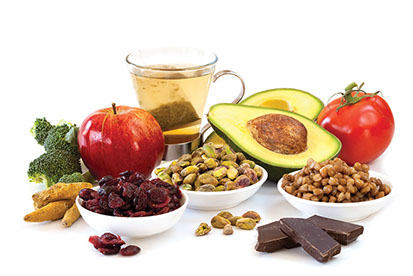
    Image of different sources of antioxidants.

    Antioxidants play an important role in overall health. They are natural compounds found in some foods that help neutralize free radicals in our bodies.

    Free radicals are substances that occur naturally in our bodies but attack the fats, protein, and the DNA in our cells, which can cause different types of diseases and accelerate the aging process, according to Claudia Fajardo-Lira, professor of food science and nutrition at California State University-Northridge.

    The best antioxidant sources are fruits and vegetables, as well as products derived from plants. Some good choices include blueberries, raspberries, apples, broccoli, cabbage, spinach, eggplant, and legumes like red kidney beans or black beans.

    They’re also found in green tea, black tea, red wine, and dark chocolate. Usually, the presence of color indicates there is a specific antioxidant in that food.

    The keyword here is variety. Try to get as many fruits and vegetables with different colors when you plan your meals and go to the grocery store. An array of color in your diet will give you the widest range of helpful antioxidants.

    Antioxidants added to foods are as effective as those that occur naturally. Vitamins such as C, A, and E can be added to foods-and they often are, such as in orange juice.

    It’s important not to overdo it on vitamin supplements because there can be too much of a good thing. With food alone, it would be extremely difficult to consume too many antioxidants.

    The MyPlate tool based on the Dietary Guidelines for Americans recommends that you make half your plate fruits and vegetables. If you aim to do that at most meals, you can be sure to get the antioxidants you need, recommends the Institute of Food Technologists.

    © American Institute for Preventive Medicine