Tag: nutrition

  • Diet & Fertility

    HEALTHY EATING

    Couple in kitchen cooking together.

    While many factors that affect fertility are beyond your control, lifestyle habits are something you can change for the better when trying to conceive.

    Eating a nutritious diet and maintaining a healthy weight put your body in the right condition for reproduction. Choosing a quality diet is an essential part of the process.

    What to eat

    There are still gaps in our understanding of the best diet to promote fertility. However, we do know a healthy diet is beneficial in all stages of life. Here are some general guidelines that have been shown to support fertility:

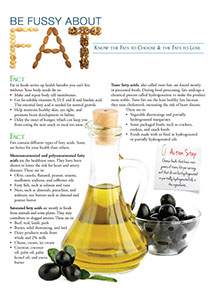
    *Choose healthy fats.These include monounsaturated and omega 3 fats. Olive oil, avocados, fatty fish, nuts, and seeds are good sources of these fats.

    *Up your plant intake.Fruits, vegetables, whole grains, beans, legumes, and nuts and seeds should feature heavily in your diet.

    *Women should consume foods high in iron.Plant sources of iron include beans, lentils, leafy greens, fortified cereals, and whole grains. For better absorption, include vitamin C-rich foods such as citrus, berries, and peppers.

    *Women should take a daily prenatal multivitamin.It should include 400 micrograms of folic acid.

    What to avoid

    The eating pattern considered beneficial for fertility also includes foods to limit when trying to conceive.

    *Trans fats.These less healthy fats are found in some processed foods. Choosing a whole food diet will naturally eliminate many unhealthy trans fats.

    *Less animal protein.Small quantities of beef, chicken, pork, and fish are OK, but most people benefit from cutting back, especially red meat.

    *Junk food.Processed foods high in sugar, salt, and fat don’t support reproductive health.

    *Overeating.Men or women who are overweight or obese may benefit from gradual, healthy weight loss to boost fertility.

    *Fad diets.Avoid following fads as these diets are often imbalanced or can lead to rapid, unhealthy weight loss which may interfere with fertility.

    © American Institute for Preventive Medicine

  • Fun Facts About Cruciferous Vegetables

    HEALTHY EATING

    A bowl filled with broccoli and brussels sprouts.

    *  The word “cruciferous” means “cross bearing.” These vegetables got this name because the four petals on cruciferous vegetables make a cross shape.

    *  Brussels sprouts and broccoli are rich in magnesium. This mineral is needed for hundreds of different functions in the body, including bone health, muscle relaxation, nerve function and blood sugar control.

    *  Cruciferous vegetables get their taste and aroma from sulfur compounds called glucosinolates. Glucosinolates help the body protect cells from damage. This could be a factor in preventing some types of cancer.

    Sources: Academy of Nutrition and Dietetics, American Institute for Cancer Research

    © American Institute for Preventive Medicine

  • Mediterranean Diet: Should You Try It?

    HEALTHY EATING

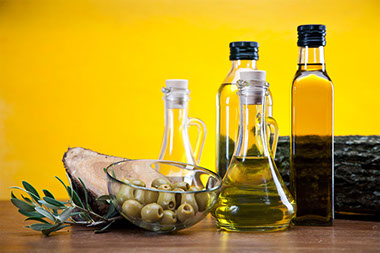
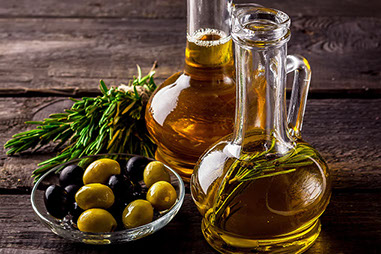
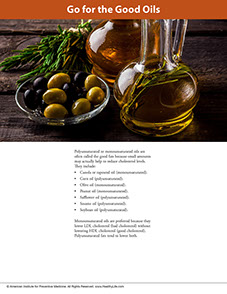
    Olive oil, black oils, bread and cheese.

    You may have heard about the Mediterranean diet and how some people believe it can make you healthy. But, what is this diet, and is it right for you?

    The Mediterranean diet isn’t a special diet plan or product. Instead, it describes the typical diet of people who live near the Mediterranean Sea. In this region, many people eat a diet that focuses on:

    *  Plenty of vegetables and fruits

    *  Moderate amounts of dairy, fish and poultry

    *  Whole-grain bread and cereals

    *  Beans and lentils

    *  Nuts and seeds

    *  Olive oil

    *  Wine (low to moderate amounts)

    *  Very little red meat and sugary desserts

    *  Fresh, mostly unprocessed foods

    When followed properly, the Mediterranean diet is similar to the diet recommended by the American Heart Association (AHA). But, the Mediterranean diet tends to be higher in fat than the AHA recommendations. The AHA believes that this higher amount of fat may be leading to obesity in Mediterranean countries.

    Fat’s not all bad

    The AHA says that the type of fat in the Mediterranean diet is healthier than the typical American diet. This is because the American diet often includes eating too much saturated fat, particularly from red meat. The Mediterranean diet uses healthier unsaturated fats from olive oil and fish. These unsaturated fats are better for the heart because they don’t raise unhealthy blood cholesterol levels.

    But, this doesn’t mean you should eat high amounts of any kind of fat. The AHA still recommends that even the healthy unsaturated fats should be eaten in moderate amounts. Saturated fat should be limited to six percent of a person’s total calories each day. Saturated fat is found in meat and dairy products, as well as coconut oil.

    Fat has nine calories per gram, which means it packs more calories than carbs and protein. So, consuming too much of it could still lead to unwanted weight gain – even if it’s the healthy kind of fat.

    Are Mediterranean people healthier?

    This begs the question: does the Mediterranean diet make you healthier? Mediterranean countries have lower rates of heart disease than the U.S. But, this may not be due to diet alone. Their exercise habits and other factors could also play a role.

    What’s the verdict on this diet?

    The bottom line: No large studies have shown that the Mediterranean diet is a magic fix for better health. But, it’s a good idea to eat more vegetables, fruits, and whole grains and less red meat. Always ask a doctor before changing your diet, especially if you have any health conditions.

    © American Institute for Preventive Medicine

  • Signs Of A Fad Diet

    HEALTHY EATING

    Tape measure.

    Fad diets and pills don’t work. You may lose weight quickly, but it’s hard to keep it off. This causes a “yo-yo” effect that could harm your health and your confidence.

    Beware! Look for these signs of a fad diet:

    *  Claims of fast, amazing weight loss

    *  Hard-to-believe testimonials

    *  Strict rules of avoiding certain foods

    *  A claim that the diet works for everyone

    Talk to your doctor about safe, healthy ways to lose weight.

    Source: U.S. Department of Veterans Affairs

    © American Institute for Preventive Medicine

  • Seven Ways To Make Your Barbecues Healthier

    Nutrition

    Image of food on the barbecue grill.

    One of the most popular rites of summer is the outdoor cookout. Unfortunately, evidence suggests that foods cooked on a charcoal, gas, or electric grill may be hazardous to your health.

    The National Academy of Science has discovered a possible link between the grilling of food and the development of what are believed to be cancer-causing compounds. Some researchers suspect that when high-fat, high-protein foods-like hamburgers-are exposed to the intense, searing heat of barbecue cooking, the fat and protein turn into mutagens-chemicals that can damage the genetic material of cells and possibly cause cancer.

    Since the jury is still out on whether or not grilled food definitely causes cancer, it’s probably wise to reserve barbecuing for special occasions, rather than grill food regularly. Some other guidelines to reduce the potential risks from eating grilled food include:

    *  Before cooking meat or poultry (or fish, if applicable), trim away fat. And don’t baste foods to be grilled with butter or oil.

    *  Keep a spray water bottle handy to douse flare-ups.

    *  Position food well above the heat source.

    *  If noticeable amounts of fat drip and flare up as food cooks, lower the flame or move the food to another part of the grill.

    *  Cook food until it’s done, but avoid charring it. The longer food is grilled and the blacker it gets, the higher the risk.

    *  To avoid charring fish and vegetables, wrap them in aluminum foil.

    *  Many foods, like chicken, can be boiled or microwaved before grilling, to reduce fat content and grilling time.

    Page from A Year of Health Hints book by the American Institute for Preventive Medicine. www.HealthyLife.com. All rights reserved.

    © American Institute for Preventive Medicine

  • Fiber Up

    Nutrition

    Fiber is an indigestible carbohydrate. It helps people stay healthy by preventing constipation, and in certain forms seems to lower cholesterol levels. Unfortunately, fiber is processed out of many grain foods like bread and cereal. Choose foods with whole grains over ones with refined grains.

    A general recommendation is to get 20 to 35 grams of dietary fiber a day. Fruits, vegetables, beans, and grains all contain dietary fiber. Dietary fiber consists of two kinds of fiber: soluble fiber (meaning it dissolves in water) and insoluble fiber (meaning it doesn’t dissolve in water).

    The following foods are especially good sources of soluble fiber, which may be helpful in lowering cholesterol.

    *  Barley bran.

    *  Dried beans, cooked.

    *  Legumes.

    *  Oat bran.

    The following foods are especially good sources of insoluble fiber, which help prevent constipation.

    *  Corn bran.

    *  Nuts.

    *  Vegetables.

    *  Wheat bran.

    Most fruits, vegetables, and grain products contain both soluble and insoluble fiber, though, so eating a wide variety of foods can help you get your fair share of both soluble and insoluble fiber.

    Note: Many people rely on breakfast cereals as their main source of fiber. While eating a high-fiber cereal is a good start, it’s not the whole answer. Many high-fiber cereals supply 10 to 13 grams of fiber per 1/4 to 1/3 cup serving. That’s a respectable amount. But to get your fiber quota from high-fiber breakfast cereal alone, you’d need to eat two or three times the manufacturer’s suggested serving. It’s better to include some fruit, vegetables, and beans in your menu later in the day to balance out your fiber intake.

    Page from A Year of Health Hints book by the American Institute for Preventive Medicine. www.HealthyLife.com. All rights reserved.

    © American Institute for Preventive Medicine

  • A Safer Way To Bring Home The Bacon

    Nutrition

    Image of bacon and rosemary.

    Meats like bacon, bologna, frankfurters, pepperoni, and salami have been cured to stop the growth of bacteria, delaying spoilage. Curing gives these meats their reddish pink hue and distinctive flavor. Scientists have discovered, however, that nitrites and nitrates, compounds used to cure meats, might be converted into dangerous cancer-causing substances called nitrosamines when cured meats are digested. Luckily, scientists also discovered that vitamin C can help to prevent formation of nitrosamines. So now, meat processors must by law include some form of vitamin C in cured meats.

    To further ensure the safe consumption of cured meats:

    *  Don’t let bacon or other lunch meats sit unrefrigerated for more than a few minutes. They can still spoil at room temperature.

    *  Cook bacon in a microwave oven. This produces lower levels of nitrosamines than pan frying or oven cooking.

    *  Always drain fat from cooked bacon, since drippings contain twice as many nitrosamines as the meat itself.

    Despite these precautions, cured meats are still high in fat and sodium, so you should eat only limited amounts regardless of the threat of nitrosamines.

    Page from A Year of Health Hints book by the American Institute for Preventive Medicine. www.HealthyLife.com. All rights reserved.

    © American Institute for Preventive Medicine

  • Do Detox Diets Work?

    HEALTHY EATING

    Two different detox drinks.

    Detox or cleansing diets are a popular way to make a change and cut calories quickly. But, do they really work?

    How do detox diets work?

    Detox diets use a variety of techniques in an attempt to “cleanse” the body. These include:

    *  Fasting

    *  Juicing

    *  Herbs

    *  Supplements

    *  Colon cleanses such as enemas or laxatives

    *  Saunas

    *  Food restrictions

    The idea is that these techniques cleanse and purify the body of toxins by encouraging increased elimination and digestive rest. Some diets even claim to remove toxins and metals from the bloodstream.

    Is there evidence detox diets work?

    Currently, there is no evidence that these methods to “detoxify” have any impact on human health. Your body already has ongoing processes to purify the blood and remove waste products. For example, your liver and digestive tract are two of the organ systems responsible for protecting you from harmful toxins.

    While some people report feeling better or losing weight on a detox diet, this effect may be the result of removing unhealthy foods from the diet and cutting back on calories. You could likely achieve the same results by eating a healthier, balanced diet in general.

    Are detox diets safe?

    Some of these diets can be unsafe and use false advertising to promote their claims. Many products used in detoxes or cleanses are unregulated by the FDA and could potentially cause harmful side effects.

    In addition, detox diets are often unbalanced, either by avoiding most foods or encouraging a high intake of specific foods or drinks. This could lead to problems with hydration or electrolyte balance, as well as cause digestive problems.

    Other things to consider include any health conditions or medications you currently take. You should talk to your doctor before trying any type of detoxing or cleansing.

    Are there alternatives to detoxing?

    If you are interested in cleaning up your diet but want to avoid the quick fixes promised by detox diets, there are other great options. Improving your health is a lifelong journey. Small changes over time can make a big difference.

    Consider these ideas:

    *  Cut out soda, juices, and other beverages, and let water be your drink of choice.

    *  Limit added sugars in your diet.

    *  Increase your intake of fruits and vegetables to at least 5 servings a day.

    *  Avoid late-night eating.

    *  Limit or remove alcohol from your diet.

    © American Institute for Preventive Medicine

  • Get Grilled On Safety Tips

    HEALTHY EATING

    Man grilling food outside.

    Metal grill brushes pose dangers

    If you’ve ever used a grill, you know that it needs to be cleaned. Many people reach for a metal wire grill brush to remove stuck-on food and debris. But this could be a dangerous mistake.

    The American Medical Association says that wire grill brushes were responsible for more than 1,600 emergency room visits in just one year. These brushes have metal bristles that can break off and stick to the grill. They may be too small to see, so you don’t know they’re there. When you cook food on your grill, the tiny bristles can stick to the food.

    If someone accidentally swallows one of these metal bristles, they can be seriously injured. The bristles can cut the inside of the mouth, throat or tonsils. This could require emergency surgery.

    If you use a wire brush to clean the grill, be sure to wipe the grill off with a cloth afterward. Check the underside of the grill and lid for any bristles too.

    You can also avoid using wire brushes altogether. Instead, soak the grill parts in soapy water and clean with a sponge or a paint scraper. Some people use a ball of aluminum foil to scrape the grill.

    Be safe with your grill

    *  Propane (gas) and charcoal grills should only be used outside. Never use them inside a garage, barn or other building.

    *  Keep the grill well away from your deck railings, tree branches and house.

    *  Don’t let children or pets near the grill.

    *  Open the gas grill lid before lighting it.

    *  Keep charcoal fluid out of reach of children and pets.

    *  Do not add charcoal fluid or other flammable liquids to a fire. Use it only to get the grill started.

    *  Let charcoal cool completely before throwing it away.

    Source: National Fire Protection Association

    © American Institute for Preventive Medicine

  • Meet Your Protein Needs

    HEALTHY EATING

    Hands holding tempeh buddha bowl. Marinated tempeh in marinade with rice, steamed broccoli, avocado.

    Protein is an essential nutrient necessary for growth and for the body to function properly. Every single cell in your body contains protein.

    Eating enough protein ensures your body has all the building blocks it needs to keep you strong and healthy. But, how much is enough? Too little protein puts you at risk for a deficiency, and too much protein may create an imbalance in your diet.

    Calculate your needs

    The amount of protein you need depends on your height, weight, sex, age, and activity level. In addition, there are certain times of life when protein needs are higher. Children, teens, pregnant women, and anyone healing from an injury require extra protein for growth and repair.

    The average, healthy adult can use this formula to determine their baseline protein needs.

    *  Divide your body weight in pounds by 2.2 (this converts it to kilograms).

    *  Multiply that number by 0.8 -1.

    *  This number range gives you a rough estimate of your daily protein needs.

    Eat a variety

    Protein is made up of amino acids, the building blocks your body uses to create the specific proteins each cell requires. Different foods contain different amino acids, so eating a variety of protein-containing foods will ensure you get all the amino acids your body needs.

    In particular, if you eat a vegetarian or vegan diet, aim to consume as many different protein sources as possible.

    High protein foods

    It’s easy to meet your protein needs if you choose a serving of protein-containing food at each meal and some snacks each day.

    © American Institute for Preventive Medicine