Tag: nutrition

  • Strategies For Reducing Fats And Cholesterol

    Nutrition

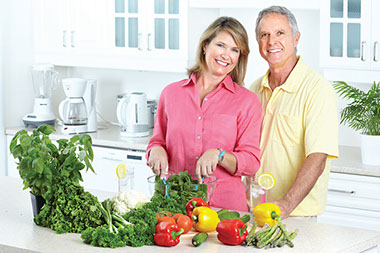
    Image of couple cooking in kitchen.

    Coronary heart disease is the leading cause of premature death among Americans. And it’s largely self-inflicted. When vital arteries leading to the heart become clogged by fatty deposits of cholesterol, the blockage can lead to a heart attack. Luckily, a few simple changes in eating habits can reduce your risk of heart disease.

    *  Substitute skim or 1/2% milk for 2% or whole milk.

    *  Eat less meat and fewer eggs. A good rule of thumb is no more than 3 to 5 ounces of meat per serving and no more than five to seven servings a week, and no more than three egg yolks per week (unless your physician advises otherwise).

    *  Use one egg yolk and two whites for every two eggs required in a recipe.

    *  Trim all visible fat from meat before cooking. Remove skin from poultry.

    *  Bake, roast, or broil meat, poultry, or fish. Don’t fry.

    *  Chill soup made from meat or poultry, then skim off the fat before reheating and serving.

    *  Poach foods like fish or eggs instead of sautéing them in butter.

    *  To cut down on the need for oil in cooking, use a vegetable cooking spray and/or pans with a nonstick surface.

    *  Substitute liquid vegetable oil for solid shortening and replace butter with oil, soft margarine, and spreads made with plant sterols and stanols, such as the brands Benecol and Take Control. Use less total fat.

    *  Limit how much oil-based or creamy salad dressing you use. Substitute oil-free salad dressing, lemon juice, or flavored vinegar.

    *  When you use small amount of fats, use olive oil or canola oil. Some research shows they may protect against heart disease.

    *  Bake, steam, or stir-fry vegetables. Don’t deep-fry vegetables or sauté them in lots of butter.

    Page from A Year of Health Hints book by the American Institute for Preventive Medicine. www.HealthyLife.com. All rights reserved.

    © American Institute for Preventive Medicine
  • Easy Food Swaps For A Healthy Heart

    HEALTHY EATING

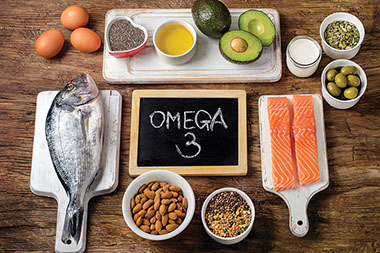
    Image of a healthy vegetable wrap.

    Eating better for your heart doesn’t have to be complicated. In fact, making some small substitutions in your diet each day can add up to better health. It doesn’t require a big investment of time or money to make these changes:

    Instead of: Crackers or chips

    Try: Unsalted nuts and seeds

    Crackers and chips are processed foods with few vitamins and minerals. They’re often loaded with salt, sugar or excess fat.

    Nuts and seeds, on the other hand, contain heart healthy unsaturated fats that can improve blood cholesterol levels. They also contain fiber, which can help lower cholesterol and fight constipation. They’re convenient to take on the go and offer a satisfying crunch.

    Instead of:  White dinner rolls or pasta

    Try: Whole grain breads and pasta

    White “refined” breads and pastas have much of the natural nutrients stripped out during processing. They usually have little to no fiber. This means they don’t help you feel full and they can cause a drop in blood sugar a short time after they are eaten.

    Instead of white pasta and bread, try a whole grain option. Whole wheat pasta, quinoa and brown rice contain fiber, nutrients and even protein that’s great for your heart. Eating whole grains instead of refined grains may lower the risk of heart attack, stroke and obesity.

    Instead of: Cheesy pasta or sandwiches

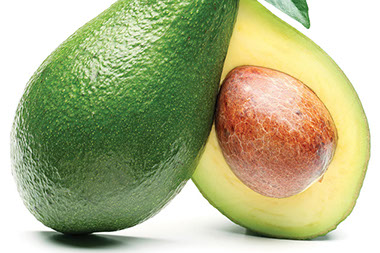
    Try: Avocado sliced or spread

    Cheese can be eaten in moderation as part of a healthy diet. But many processed cheeses contain saturated fat, salt and artificial ingredients.

    Instead of processed cheese, try creamy avocado. Diced avocado pairs well with cherry tomatoes and herbs as a pasta topping. Try ripe avocado on a sandwich in place of sliced cheese. Avocado contains monounsaturated fats, which are heart health superstars. It also has antioxidants to help fight heart disease.

    Instead of:  Lunch meat sandwiches

    Try: Hummus and vegetable wraps

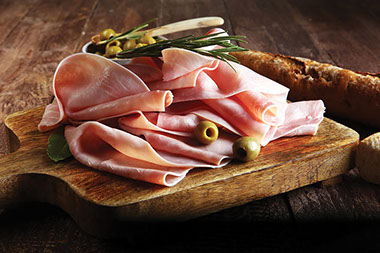
    Most deli meats contain a large amount of salt. A diet high in salt can lead to high blood pressure, which increases the risk of heart disease and stroke. They may also contain saturated fat, which may raise the risk of heart problems.

    Skip the meat and try a plant-based sandwich that still offers protein without the extra salt and unhealthy fat. Almond butter and peanut butter taste great on whole grain bread. Hummus offers protein and fiber, and pairs well with vegetables on whole grain wrap bread.

    Source: American Heart Association

    © American Institute for Preventive Medicine
  • Give Swiss Chard A Try

    HEALTHY EATING

    Swiss chard wraps.

    When it comes to leafy greens, spinach and kale get most of the attention. But leafy greens are so nutritious. Why limit yourself to just two types?

    Swiss chard has less bitterness than kale, and offers plenty of important nutrients. Plus, this time of year, swiss chard is plentiful at farmers’ markets or the local grocery store. It can be used like any greens:

    *  Raw in a salad

    *  Sautéed or steamed

    *  Added to pasta  and soups

    Here’s more about swiss chard’s nutritional benefits:

    *  Rich in magnesium, potassium, vitamin A, vitamin C, several B vitamins and iron.

    *  One cup (chopped) contains more than 700 percent of your recommended daily intake of vitamin K, which is needed for bone health and blood clotting.

    *  Each cup contains only 35 calories and nearly 4 grams of fiber. Talk about a low-calorie and nutritious punch!

    Source: USDA Nutrient Database

    © American Institute for Preventive Medicine
  • Mood & Food: The Close Link

    HEALTHY EATING

    A bite out of a green apple and in a chocolate bar.

    You may already know that your diet can change how you feel mentally. If you’ve ever been really hungry, you may notice that you start to feel upset or angry. And, some high-calorie junk foods are called “comfort foods” for a reason. They make you feel better mentally, but only for a little while.

    The link between the mind and what a person eats is complex. That’s why it can be so hard to make good choices when you have a bad day or feel depressed. But there are ways to fight this habit and start to make better choices, even when your mood is down or you feel stressed.

    Why we want comfort food

    Stress can make you want to eat unhealthy foods. This is your body’s way of trying to get fuel when it thinks you are in trouble. Although this is normal, you have the power to overcome it.

    Take a moment to think about a food you are craving. Then think about your current emotions. If you’re feeling sad, angry or stressed, this could be why you want that pizza or ice cream.

    If you eat the food, you may feel good for a few minutes. But unhealthy foods with lots of fat and sugar can actually increase the risk of depression or anxiety. This creates an unhealthy cycle that will continue as you eat those comfort foods.

    The cycle of mood & food

    If you use food to cope with stress or depression for too long, your body will get used to it. Then, when you do try to make a healthy choice, your body and mind may be confused. This could lead to an even stronger craving for those comfort foods. This cycle makes it very hard to make changes to your diet.

    You can win!

    You’re not stuck in this cycle. Eating fruits and vegetables can make you feel happy. When you’re happy, you’re more likely to reach for healthy foods again. This can start a positive cycle!

    Source: American Heart Association

    © American Institute for Preventive Medicine
  • Tea Time: Is Tea Good For You?

    HEALTHY EATING

    A tea pot with two cups of tea and lemons.

    Many people drink tea every day. The most popular teas are black, green and oolong. Matcha tea is also becoming more popular.

    Black, green, oolong and matcha teas come from a plant known as Camellia sinensis. Each of these teas looks and tastes different because of how they are processed.

    Caffeine content

    Tea, like coffee, naturally contains caffeine and can be different in each cup. If you steep your tea longer, it will have more caffeine than a quick steep.

    Estimates of the caffeine content per 8-ounce cup:

    *  Coffee: 95 milligrams

    *  Black tea: 48 milligrams

    *  Oolong tea: 38 milligrams

    *  Green tea: 29 milligrams

    *  Decaffeinated tea: Very small amounts

    Some tea packages will tell you how much caffeine it contains. Look for this on the product label.

    Watch your caffeine intake

    You can still drink too much caffeine from tea if you’re not careful. Too much caffeine can make you feel nervous or shaky. It can also make it hard for you to sleep.

    Most healthy adults can tolerate up to 400 milligrams of caffeine each day. People who are more sensitive to caffeine may need to consume much less than this amount.

    Decaf teas are a good option if you love tea but want to cut back on caffeine. They still contain only small amounts of caffeine.

    Are herbal teas really “tea”?

    Herbal teas are not made from the tea plant Camellia sinensis. Instead, they are made from the roots, leaves, flowers and other parts of certain plants.

    For instance, chamomile tea is made from chamomile flowers. Peppermint and spearmint teas are made from the plant’s leaves.

    Herbal teas don’t contain any caffeine. They are usually safe in regular amounts. But ask a doctor before you consume herbal tea if you are taking medicine or have any health conditions. These teas can interfere with some medications or cause side effects in some people.

    © American Institute for Preventive Medicine
  • Be Fussy About Fat

    Nutrition

    Image of oilve oil and green olives in a clear bowl.

    Know the Fats to Choose & the Fats to Lose.

    Fact:

    Fat in foods serves up health benefits you can’t live without. Your body needs fat to:

    *  Make and repair body cell membranes.

    *  Get fat-soluble vitamins A, D, E and K and linoleic acid. This essential fatty acid is needed for normal growth.

    *  Help maintain healthy skin, eye sight, and promote brain development in babies.

    *  Delay the onset of hunger, which can keep you from eating the next snack or meal too soon.

    Fats contain different types of fatty acids. Some are better for your health than others.

    Monounsaturated and polyunsaturated fatty acids are the healthiest ones. They have been shown to lower the risk for heart and artery diseases. These are in:

    *  Olive, canola, flaxseed, peanut, sesame, sunflower, soybean, and safflower oils

    *  Fatty fish, such as salmon and tuna

    *  Nuts, such as almonds, pistachios, and walnuts; nut butters such as almond and peanut butter

    Saturated fatty acids are mostly in foods from animals and some plants. They may contribute to clogged arteries. These are in:

    *  Beef, veal, lamb, pork

    *  Butter, solid shortening, and lard

    *  Dairy products made from whole and 2% milk

    *  Cheese, cream, ice cream

    *  Coconut, coconut oil, palm oil, palm kernel oil, and cocoa butter

    Trans fatty acids, also called trans fats, are found mostly in processed foods. During food processing, fats undergo a chemical process called hydrogenation to make the product more stable. Trans fats are the least healthy fats because they raise cholesterol, increasing the risk of heart disease. These are in:

    *  Vegetable shortenings and partially hydrogenated margarines

    *  Some packaged foods, such as crackers, cookies, and snack foods

    *  Foods made with or fried in hydrogenated or partially hydrogenated oils

    Action Step

    Choose foods that have zero grams of trans fat per serving and that do not list hydrogenated or partially hydrogenated oils in the ingredients.

    Page from Ways to Well-Being book by the American Institute for Preventive Medicine. www.HealthyLife.com. All rights reserved.

    © American Institute for Preventive Medicine
  • Go For The Good Oils

    Nutrition

    Image of olive oil and olives.

    Polyunsaturated or monounsaturated oils are often called the good fats because small amounts may actually help to reduce cholesterol levels. They include:

    *  Canola or rapeseed oil (monounsaturated).

    *  Corn oil (polyunsaturated).

    *  Olive oil (monounsaturated).

    *  Peanut oil (monounsaturated).

    *  Safflower oil (polyunsaturated).

    *  Sesame oil (polyunsaturated).

    *  Soybean oil (polyunsaturated).

    Monounsaturated oils are preferred because they lower LDL cholesterol (bad cholesterol) without lowering HDL cholesterol (good cholesterol). Polyunsaturated fats tend to lower both.

    Page from A Year of Health Hints book by the American Institute for Preventive Medicine. www.HealthyLife.com. All rights reserved.

    © American Institute for Preventive Medicine

  • Tips For Dining Out Without Pigging Out

    Nutrition

    Image of friends eating out.

    People who are watching what they eat can stick to their diets when eating in restaurants. Eating establishments don’t have to be automatic waistline expanders if you observe the following recommendations.

    *  Choose a restaurant that offers a wide variety of food, to increase the odds of finding fewer fatty, highly caloric foods.

    *  Avoid “all-you-can-eat” restaurants.

    *  Ask to have the bread basket (or at least the butter dish) removed from the table.

    *  Refuse french fries, potato chips, and desserts, even if they’re included in the price of your meal.

    *  Ask for food broiled without butter, salad without dressing, and baked or steamed food that’s normally fried.

    *  If servings seem especially large, portion off the excess and put it aside before you begin eating.

    *  Leave some food on your plate, or take it home for tomorrow’s lunch.

    *  Share one meal with a companion.

    *  Order a la carte so you won’t feel obligated to eat side dishes just because you’ve paid for them.

    Here are some ways to join the party and not blow your diet.

    *  At a buffet dinner, first look over all the food presented, then decide what you will and will not eat.

    *  If possible, inquire ahead of time as to what will be served at a party. If nothing on the menu is allowed on your diet, plan to eat at home first.

    *  Ask your host or hostess if you can provide a platter of raw vegetables or other low-calorie offering, so you’ll be assured of something you can munch on during the party.

    *  To avoid being tempted to eat hors d’oeuvres and snacks, don’t sit near them.

    *  Politely inform your host and hostess of your diet and ask them not to coax you to overeat.

    *  Choose mineral water or diet soda instead of alcoholic beverages, or at least alternate them with alcoholic drinks.

    *  Make a point to socialize with other people or enjoy the entertainment rather than concentrating on eating.

    Partying Down to a Slimmer You

    As with most festive occasions, food plays a prominent role at most parties. It gives people something to look at, something to do, something to talk about, and something to remember. But you don’t have to stay home just because you’re dieting.

    Page from A Year of Health Hints book by the American Institute for Preventive Medicine. www.HealthyLife.com. All rights reserved.

    © American Institute for Preventive Medicine
  • 5 Reasons You Need Fat In Your Diet

    HEALTHY EATING

    Image of avocado.

    Energy:

    Fat provides a highly concentrated form of energy. One gram of fat gives you 9 calories of energy, which is over twice that provided by carbohydrates or protein.

    Organs need a cushion:

    A cushion of fat helps protect organs from injury and holds them in place.

    Cell structure:

    Whether it is hair, skin, or eyes, fats make up part of the membrane that surrounds each cell of the body, and without them the rest of the cell can’t function.

    Immune function:

    Without good fats in our diet, immune function becomes partially impaired and our bodies are susceptible to foreign invaders such as bacterial and viral infections.

    Nutrient transport:

    Vitamins A, D, E, and K are fat-soluble vitamins and need fat to help the body transport, store, and absorb them.

    © American Institute for Preventive Medicine
  • Easy Food Swaps For A Healthier You

    HEALTHY EATING

    Image of middle-aged couple preparing food in their kitchen.

    What if you could be healthier without making a bunch of drastic changes? No extreme dieting or starving, but just taking some small steps to improve your food choices. It is possible if you know which foods to eat more of, and which ones to scale back on. The American Heart Association recommends a few simple switches that can add up to better overall health:

    *  Don’t cook with butter, lard, or shortening. Use vegetable oils that are high in unsaturated fats. Great choices include olive, canola, walnut, and safflower oils.

    *  When purchasing canned soups or vegetables, look for lower-sodium or “no salt added” varieties. Choose frozen vegetables without added salt or sauces.

    *  Avoid foods with added sugar, such as canned fruits with syrup. Choose canned fruits with no sugar added and/or packed in 100 percent fruit juice.

    *  Use nonstick cooking spray instead of shortening for recipes that call for “greased” cookware.

    *  When buying bread or crackers, look for those labeled “whole grain” or “whole wheat.” These choices contain more fiber and nutrients than refined grains.

    *  Cut back on red meat by using ground turkey or chicken in place of ground beef in recipes. Turkey tacos, meatballs, or chili can be just as tasty and many people can’t tell the difference.

    These simple tips can help you cut back on saturated fat, excess sugar and sodium. This adds up to great health benefits without having to change your eating habits entirely.

    © American Institute for Preventive Medicine