Tag: nutrition
-
How To Eat Healthy At Holiday Parties
HEALTHY EATING

Many people find that the holidays ruin their healthy eating plans. The sweet and high-calorie foods at family gatherings and parties can be hard to resist. After all, that pumpkin pie topped with whipped cream only comes once a year. Despite the many temptations, you can learn how to eat less. And, you can still enjoy your holiday favorites without eating too much or feeling guilty later.
Try these tactics the next time you head to a holiday dinner or party:
Don’t go to the party hungry.If you are faced with a table of goodies and you’re starving, it can be hard to control your eating. Before you go to the party, have a serving of fresh vegetables like carrots, broccoli or a greens salad. Make it a low-calorie snack so your stomach is partially full by eating only a few calories.
Get water right away.Drinking water before your meal will help you slow down your eating and may help you to feel fuller, sooner. Then, move away from the food table and socialize with other guests for a while before making food choices.
Start with a small plate.Rather than fill up a larger plate with lots of foods, use a smaller plate. Then, fill it with portions that are smaller than you would normally eat. You can always go back later for seconds if you’re still hungry.
Eat slowly.Take sips of water with every few bites. Put your fork down and socialize during the middle of your meal. Chew each bite well and enjoy how it tastes before you swallow.
Listen to your belly.When you feel almost full, that’s the time to stop eating. It takes time for your stomach to tell your brain that you’re full. Chances are, you will be very full in a few minutes.
Allow yourself a special treat. If you really want that brownie, have it. But, take a small piece and enjoy it. A few bites can be just as satisfying as a big portion – without the guilt.
If you do eat too much at a party this holiday season, don’t give up on your healthy eating goals. Everyone has slip-ups on diets once in a while. Consider it as a lesson learned or a minor setback. Come up with a plan to eat healthier at your next party. You can start fresh tomorrow!
Sources: United States Department of Agriculture, Academy of Nutrition and Dietetics
-
Oatmeal: A Good Choice For A Power Breakfast
HEALTHY EATING

You probably already know that oatmeal is healthy, and perhaps you’ve been told it “sticks to your ribs.” But what’s the science behind oatmeal’s healthy history?
Oatmeal can keep you full
Avoid a mid-morning hunger attack, and you’ll be less tempted to pick up a donut. Oatmeal contains a special kind of fiber known as oat beta glucan. These beta glucans can increase levels of certain hormones that may help control appetite.
Oatmeal helps digestion
Oatmeal’s soluble fiber content is widely recommended to help keep bowels running smoothly. Regular intake of fiber-rich foods, like oatmeal, can help avoid bloating and uncomfortably hard stools.
Oats can improve cholesterol
High cholesterol is a major risk factor for heart disease. Studies have shown that eating oats regularly can lower “bad” LDL cholesterol due to its oat beta glucan fiber.
Even if you eat a gluten-free diet, oats can be a healthy choice. They contain B vitamins and magnesium, which may be lacking in many people who don’t eat gluten. Look for oats labeled “gluten free” to avoid any gluten contamination that could happen during processing.
Tips if you don’t like oatmeal
Oatmeal can be eaten a variety of ways, so don’t rule it out if you haven’t enjoyed it in the past. Far beyond apple cinnamon and other sugary flavor packets often found in the supermarket, you can try it savory, add it to other foods, or even eat it for dinner!
Consider these ideas:
* Add oats to turkey burgers or meatloaf to stretch your meat further and add health benefits
* Sprinkle oats over baked apples for a healthy “apple crisp”
* Use oats in casseroles or dinner rolls
Sources: Oldways Whole Grains Council, Academy of Nutrition and Dietetics
-
The Best Foods To Help You Focus
HEALTHY EATING

You know the right foods are good for your body, but did you know they can help your brain too? Many foods can actually improve brain function, according to the Academy of Nutrition and Dietetics:
*Vegetables.All vegetables can benefit the brain, but certain vegetables seem to be especially helpful. Cruciferous vegetables like broccoli, cabbage or cauliflower boost brain power. Dark leafy greens, such as spinach, kale, mustard greens and dark lettuce, also improve concentration and memory.
*Dark-colored berries.Blackberries, blueberries and cherries have nutrients that your brain needs for optimal function. Fresh or frozen are great options. If you choose dried fruits, read the label and avoid any with added sugar.
*Omega-3 fatty acids.Fatty fish, such as salmon, bluefin tuna, sardines and herring contain high amounts of omega-3 fatty acids. Vegetarian sources include flaxseeds, chia seeds and walnuts.
In addition, these foods are also great for your heart and overall health. Try working them into your daily diet for maximum brain benefit and a healthier you.
-
3 Steps To Cleaner Eating
HEALTHY EATING

Eating well is one of the most important things you can do for your body. A well balanced diet contributes to overall health and protection from disease.
Making micro or small changes to your diet eventually add up to better health. If you’re ready to clean up your food choices, here are three easy habits that can help.
1. Focus on plants
Instead of worrying about all the foods you shouldn’t be eating, focus on what you can include. Plant foods provide the best nutrition and should make up a majority of your diet.
A good first step to cleaning up your diet is to add more plant foods to each meal and snack. These include:
* Fruits
* Vegetables
* Beans
* Nuts and seeds
* Whole grains
* Healthy oils like olive, sunflower, and avocado oil
2. Have a salad or smoothie
Choose a healthy salad or smoothie to make up the bulk of one meal each day. This is a simple way to increase your plant food intake while controlling calories and portion size.
Make your daily smoothie or salad fiber-packed to promote fullness and digestive health. In addition to adding plenty of fruits and vegetables, consider including nuts, chia, hemp, or flax seeds for an extra boost of nutrients and fiber.
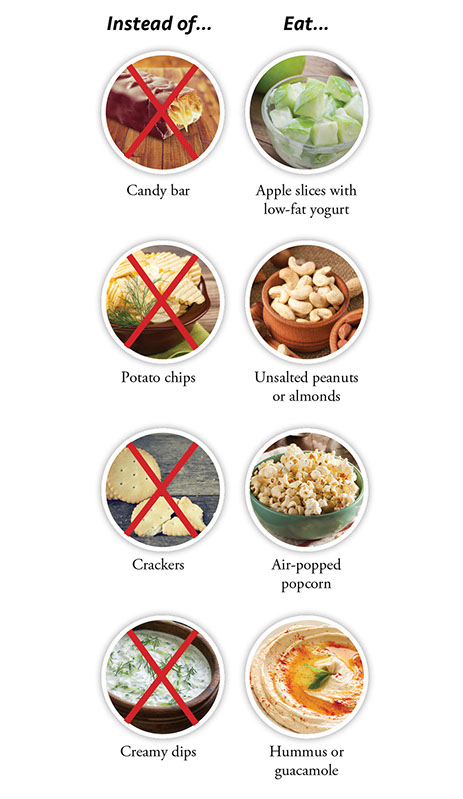
3. Snack on whole foods
Feeling deprived and hungry will quickly result in giving up on your healthy new eating habits. Clean eating is delicious and should make you feel good!
So, keep tasty whole food snacks on hand to keep you satisfied all day long. Here are some ideas:
* Sliced apple with peanut butter
* Hardboiled egg and a piece of fruit
* Sliced vegetables and a piece of cheese
* Hummus with cucumbers
* Mixed nuts and a piece of fruit
-
5 Ways To Fight Childhood Obesity
FAMILY LIFE

Parents should set the example and be persistent, said Dr. Felipe Lobelo, who specializes in nutrition, physical activity, and obesity at the CDC.
1.Eat more fruits and vegetables.Serve vegetables your kids are most likely to eat.
2.Spend less time in front of a screen.Place limits on the amount of time kids spend in front of a TV or computer-no more than 2 hours a day is a good guide.
3.Exercise more.Just play outside for at least an hour a day.
4.Eliminate sugary drinks.Avoid soft drinks, juices, and energy drinks. Encourage kids to drink water.
5.Set the example.Good eating habits start at home.
-
Easy Protein Snacks
HEALTHY EATING

A great way to get healthy protein throughout the day is to make snacks with protein. The protein can help you feel fuller, holding you over until your next meal. These snacks may also help avoid a blood sugar crash that leaves you feeling sluggish and even hungrier than before. Try these ideas for tasty and easy-to-pack snacks:
* Hummus with sliced peppers, carrots, celery or cucumbers
* Peanut butter or almond butter with a banana
* ¼ cup of nuts, such as almonds, walnuts or pistachios with fresh fruit
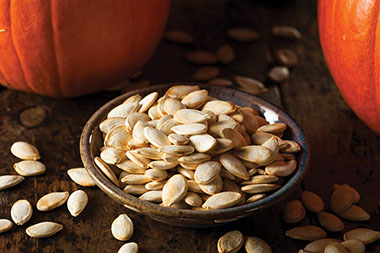
* Roasted pumpkin seeds (buy them roasted or bake on a cookie sheet at 300º for 20 minutes)
* Tortilla with black beans, salsa and a sprinkle of low-fat cheese
* Roasted soy nuts (available at many supermarkets)
* A hard-boiled egg with leafy greens
* Low-fat string cheese with an apple or pistachios
-
Freeze Food For Later
HEALTHY EATING

Make more than you need and freeze foods in portion sizes for future meals. Here’s how according to the University of Nebraska-Lincoln Extension specialists:
STEP 1.
Cool foods “slightly” at room temperature before refrigeration. A food does not need to be completely cool before it is refrigerated. To help it cool slightly before refrigeration, place a shallow container of food (no deeper than 2 inches) on a cooling rack to allow air to circulate
around the pan for about 20 to 30 minutes.
STEP 2.
Cool foods to refrigerator temperature before bagging them for your freezer. LOOSELY cover food in the refrigerator. This allows heat to escape and protects the food from accidental contamination from other foods during cooling.
STEP 3.
Pack foods into freezer containers or freezer bags. Use “freezer” bags, not “storage” bags, for storing food in the freezer. Freezer bags are thicker than storage bags and will keep the food fresh longer.
Speed freezing and hasten thawing by freezing foods in a thin, flattened shape in freezer bags. A rounded shape takes longer to thaw through to the middle. Flatter packages also stack better in your freezer.
To avoid spilling food or getting it stuck in the closure of the freezer bags, use a wide-mouth funnel. Place the freezer bag in a container such as a quart measuring cup. Stand the bag upright if you are filling it with a more liquid-type food. You may wish to double-bag liquids as an added precaution against leakage.
STEP 4.
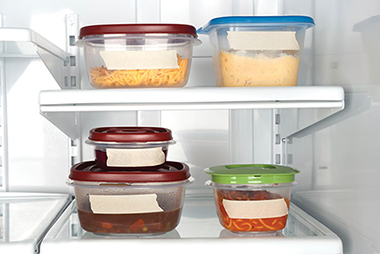
Label foods. To avoid mystery meats and other foods of unknown age, label foods using freezer tape, gummed freezer labels or permanent marking pens/crayons. Include the name of the food, packaging date, number of servings or amount, and helpful hints (sliced, chopped) or special ingredients.
Place filled freezer bags on a flat surface in your freezer, such as on a metal pan. Do not stack freezer bags until frozen so they will freeze faster. After they are frozen solid, remove the bags from the pan. Store and stack the bags right on the freezer shelf. Or turn them on their edge and store them vertically. This is an especially good idea when freezing liquid foods, such as soups and stews.
STEP 5.
Thaw and cook frozen foods. DO NOT thaw perishable foods at room temperature. If these foods are left at room temperature too long, bacteria may grow and produce heat-resistant toxins that can cause food-borne illness. Cooking may not be able to destroy these toxins. It’s best to plan ahead for slow, safe thawing in the refrigerator overnight. Up to 5 pounds of food should thaw in about 24 hours. Or food may be transferred from a freezer bag to a microwave safe container for thawing in the microwave.
-
How To Stop Emotional Eating
HEALTHY EATING

There’s no doubt that food can be comforting. Our favorite foods can make us feel happy and relaxed. Sometimes when people feel sad, lonely, stressed, or even bored, they may turn to food for comfort. This is known as emotional eating, and most people don’t realize they are doing it. As a result, people eat when their body isn’t truly hungry, and this can lead to weight gain and health problems.
The University of Rochester Medical Center says emotional eating can be harmful. It can cause type 2 diabetes, high blood pressure, heart disease, and obesity. But, emotional eating can be a hard habit to break. Here are some tips to help you stop:
Learn to listen to your body.
Are you truly hungry? If so, your stomach may be grumbling. With emotional eating, people often crave one specific food, such as a cookie. But if you’re really hungry, you’ll be willing to eat something healthier, such as fruits or vegetables.
Wait a little while.
If you’re not sure if you’re hungry, tell yourself to wait 15 minutes. In the meantime, do something else. Take a walk, have a glass of water, or call a friend. See if the urge to eat passes.
Keep unhealthy foods away.
Stock nutritious foods in your house, and don’t buy the foods you eat when you’re stressed. It’s easier to avoid the temptation if the food isn’t available to you.
Don’t worry about past mistakes.
When you’re trying to break a habit, setbacks can happen. Forgive yourself if you end up eating too much or giving in to a craving. Tell yourself you’ll start fresh again tomorrow. Don’t give up.
Find healthy ways to deal with stress.
Go for a walk, listen to music, or do deep breathing exercises to help you deal with stress. Then you’re less likely to turn to food for comfort.
If you have a problem with emotional eating, don’t be afraid to ask for help. Talk with your doctor about the problem. Ask about support groups and mental health experts who help people with emotional eating.
-
Olive Oil
HEALTHY EATING

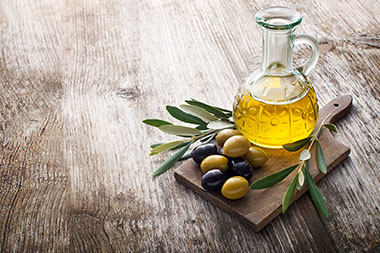
Olive oil is a more healthful choice than many other cooking fats. Using olive oil in place of saturated fats has been shown to help lower bad cholesterol and raise good cholesterol levels, which is why olive oil is heart healthy.
Know these facts about olive oil, from the North American Olive Oil Association:
* Extra virgin olive oil is the most flavorful olive oil, with an unlimited range of flavors spanning from smooth and subtle to peppery and pungent. A finishing drizzle of extra virgin olive oil can enhance the texture, taste, and aroma of food.
* Olive oil, sometimes referred to as “classic” or “pure” olive oil, has a milder flavor with just a hint of fruitiness. The subtle flavor of olive oil makes it a perfect everyday cooking oil and easily adapts to a number of cooking methods such as grilling, sautéing, roasting, frying, and baking.
* Use bottled olive oil within 8 to 12 weeks of opening. Sealed packages can keep for up to 2 years.
* Dark bottles or tins are best at reducing potential damage from light.
* Avoid packages that show signs of improper handling or storage such as dust on the bottle, broken or loose seal on the cap, or an orange tint to the oil, which could indicate overexposure to fluorescent lighting or that heat has damaged the oil.
* Look for a country of origin statement, which is required by federal labeling laws and is typically found on the back label near the nutritional information.