Tag: nutrition

  • The Grill Is For More Than Meat

    HEALTHY EATING

    Image of a grilled corn on the cob.

    If you love getting out the grill for summer meals, don’t stop at burgers and chicken. The grill is an excellent way to prepare some of summer’s most delicious fresh produce. The Produce for Better Health Foundation says you can use the grill to turn many familiar fruits and veggies into healthy and delicious treats. Try these suggestions:

    *  Fresh pineapple chunks can be grilled on skewers for a sweet twist for kabobs and salads.

    *  Cut peaches in half and remove pit. Grill on low, cut side down, for a few minutes.

    *  Corn can be soaked in water, husks on, and grilled. Once they’re cooked, the husks will slide right off, and you’ll have hassle-free corn!

    *  Toss summer squash or zucchini with a little olive oil and fresh herbs before grilling for a nutritious and tasty side dish.

    If you’ve never grilled these items before, don’t be afraid to give them a try. Test them out when you’ve got extra time and no guests coming over. Then you can perfect your method before you serve it to others.

    © American Institute for Preventive Medicine

  • 6 Reasons To Eat Oranges Daily

    HEALTHY EATING

    Image of an orange.

    1. Vitamin C

    One large orange gives you 130 percent of your daily need for vitamin C. This vitamin helps boost immunity and fight cancer.

    2. Fiber

    One sweet, juicy orange delivers 4 grams of fiber. Fiber helps with digestion and may help prevent heart disease and some cancers.

    3. Minerals

    Oranges also contain important minerals such as calcium, magnesium, copper, phosphorus and potassium. These minerals are important for immune health, nervous system and muscle function, and many other body processes.

    4. B vitamins

    Oranges contain several of the B vitamins, which help the body’s cells work properly and provide you with energy.

    5. Calorie-Friendly

    One orange is a lower calorie option to satisfy your craving for something sweet.

    6. Phytochemicals

    Oranges contain hundreds of these plant chemicals that support many metabolic functions in the body.

    Sources: United States Department of Agriculture, National Institutes of Health

    © American Institute for Preventive Medicine

  • Easy Snack Substitutions

    HEALTHY EATING

    Image of popcorn in a bowl.

    Skip the vending machine and processed foods when you need to fill up between meals. Try these alternatives to everyday unhealthy snacks:

    © American Institute for Preventive Medicine

  • Fueling Your Workout The Healthy Way

    BE FIT

    Image of man at the gym.

    Food is your body’s fuel. When it comes to exercise, healthy food can power you through a workout session, while less healthy food can leave you feeling flat.

    Finding the right pre-workout foods doesn’t have to be complicated. Listen to your body and keep track of your diet. This can help you discover what you should eat – and avoid eating – when you want to make the most of your exercise time.

    No “quick fixes”

    Though many products on the market claim to boost energy and performance, many of them aren’t as healthy as nutritious, whole foods. Some energy bars and drinks contain high levels of sugar, caffeine and other additives. These may give you a quick “jolt,” but when your blood sugar drops and the caffeine wears off, you could feel sluggish or downright exhausted.

    Is timing everything?

    Some athletes swear by eating 30 minutes before a workout. Others experience cramping or tiredness if they eat too close to when they exercise.

    If you’re doing an intense workout, such as running or high-impact aerobics, you may need to give your body longer to digest a meal. But lower-intensity activities, such as walking or gardening, may be more enjoyable if you’ve had a small meal first.

    Healthy pre-workout choices

    Whole foods are often a great choice pre-workout – and in daily life. But don’t stick to fruits and vegetables only. The body needs some protein and fat to make energy. Try avocados, nuts, seeds, eggs, fish or beans with some fruit or veggies. If you’re going to exercise within the hour, make it a smaller portion.

    Skip sugary treats, sweetened beverages, and energy bars and drinks. Drink plenty of water before your workout and continue to drink during and afterward. If you’ll be sweating excessively, a sports drink may be advised – but make water the drink of choice most of the time.

    Coffee and exercise – a good match?

    Some people find they have a better workout after they’ve had their morning cup of joe. This can be helpful for those who already drink coffee, but it’s not for everyone. Coffee can dehydrate you, so drink plenty of water. And, if you don’t already drink caffeinated beverages, you could end up jittery or anxious. If your doctor has told you to avoid caffeine, don’t try this.

    Consuming the right foods at the right time may help you feel your best during and after your workout.

    © American Institute for Preventive Medicine
  • How To Use Food To Boost Your Energy

    HEALTHY EATING

    Image of business man eating a salad and cracker at his desk.

    Do you hit an afternoon slump every day? Are you feeling drained despite getting enough sleep? Take a look at your food.

    In general, healthy foods like fruits, vegetables and whole grains will keep your energy levels higher than processed or junk foods. But there are some ways you can use those good foods to boost your energy even more:

    *Eat enough calories.Very strict diets can zap your energy if you’re not eating enough. Healthy weight loss should not exceed one to two pounds per week. If you’re losing much more than that, you may feel tired and could be skipping important nutrients. Women should eat at least 1,200 calories and men should eat at least 1,500 calories per day.

    *Avoid candy and sugary treats.These foods may give you a quick boost of energy, but your body will quickly process the sugar. Then, you’ll feel more tired than before.

    *Eat between meals.Many people find they need small snacks throughout the day to keep their energy up. Keep the snacks small and light, such as a small serving of nuts or fruit.

    *Drink water.Even mild dehydration can make you tired. Aim for eight glasses of water per day. You may need more if you’re exercising or sweating.

    *Don’t overeat during meals.Do you ever feel like taking a nap after a big lunch? Avoid this by eating a moderate sized meal, and stopping when you start to feel full.

    *Don’t rely on “energy bars.”Many of these bars contain as much sugar as a dessert, as well as processed ingredients. Instead, opt for food with protein, healthy fats and whole grains to keep you satisfied.

    Source: Harvard Medical School and Centers for Disease Control and Prevention

    © American Institute for Preventive Medicine

  • Packing A Lunch Punch

    HEALTHY EATING

    Image of lunch bag with a water bottle, a sandwich, apples and orange.

    Plan ahead and first wash your hands before packing a school lunch (or your own).

    “Think about the perishability of the foods you’re making,” said Rutgers University professor Don Schaffner, a food scientist and spokesperson for the Institute of Food Technologists. “Perishable foods can remain at room temperature for no more than 2 hours. Properly refrigerated foods can last a long time, but most school children won’t have access to a refrigerator where they can store their lunchbox.”

    The Institute offers some guidance for parents as they pack lunches:

    *  Start each day with a clean box or bag. Insulated, vinyl lunch bags are popular and do better at keeping foods cool than paper bags or metal lunch boxes.

    *  Clean out lunch bags using warm soapy water and allow them to dry completely overnight before packing the next day. This helps deter the growth of bacteria in the bag.

    *  Choose secure packing materials, such as sealable, single-use sandwich bags that can be disposed of when used, or reusable plastic wear that is dishwasher safe.

    *  As much as possible, opt for foods that are not perishable, such as peanut butter and jelly sandwiches. (Follow the school’s policy on peanut butter. It may not be allowed due to peanut allergies.) PBJs will last from the time you prepare it in the morning until lunchtime. Single-serve fruits in prepackaged containers are also great options because they’re less perishable.

    *  Encourage older kids to assemble lunch on their own at school. Pack bread in one container and place fillings like meat or cheese separately with a cold pack. Having kids assemble the sandwich at lunchtime ensures the freshest possible results!

    *  Cold packs are designed to keep foods and drinks cold, not cool them down. If you start with room-temperature ingredients in the morning, it’s unlikely the cold pack will be able to cool them enough by lunchtime. Instead, refrigerate items the night before.

    *  Always use a cold pack when you are packing anything perishable, like cheese and meat slices or fresh-cut fruit with a yogurt-based dip. Place the perishable food right against the cold pack in the bag.

    *  For hot foods like chili, soup, or stew, use an insulated container. Before storing the food, fill the container with boiling water, let it stand for a few minutes, empty it, and then add the hot food.

    © American Institute for Preventive Medicine
  • The Rise Of Food Allergies

    HEALTHY EATING

    Image of an older Asian couple stretching.

    The body’s immune system is designed to fight off unwanted invaders, such as viruses, bacteria and fungi. But when the immune system reacts to something that isn’t usually harmful, such as pollen, dust, or certain foods, it’s considered an allergy.

    The Centers for Disease Control and Prevention (CDC) says 5 out of every 100 children in the U.S. have a food allergy today. About 4 percent of all adults also have food allergies.

    While some reactions may be mild, such as hives or tingling, other food allergies can cause a life-threatening allergic reaction known as anaphylaxis.

    Increase in allergies – and questions

    The Centers for Disease Control and Prevention reports that food allergies increased 18 percent among children from 1997 to 2007.

    Researchers are still trying to find out why food allergies continue to increase. However, they do know a few key facts about food allergies:

    *  Up to 90 percent of all food allergies involve eggs, dairy, peanuts, tree nuts, fish, shellfish, wheat and soy.

    *  Food allergies can occur at any age, not just during childhood. Even if you’ve eaten a food before without problems, you can become allergic to it later.

    *  If you have a parent with allergies, asthma, or eczema, you are more likely to have food allergies.

    *  Kids with food allergies are up to 4 times more likely to have asthma and other allergies, such as hay fever.

    *  Allergies to fish, shellfish, peanuts, and tree nuts tend to last a person’s entire life. Dairy, egg, and soy allergies are sometimes outgrown.

    *  There is no cure for allergies: the allergic food must be avoided.

    A recent analysis in the Journal of the American Medical Association shows that introducing some allergenic foods to a baby earlier in life could lower the risk of food allergies. Talk to your pediatrician before giving your child new foods, especially if allergies run in the family.

    Severe allergic reactions: WHAT TO DO

    Anaphylaxis is a severe allergic reaction that can be deadly. Symptoms include facial or lip swelling, paleness, weakness, difficulty breathing, vomiting and fainting. If someone is having anaphylaxis, it’s important to:

    *  Ask if the person has epinephrine (EpiPen or another injector) and see if they need help injecting it. It is usually injected into a person’s thigh. This should be done quickly.

    *  Call 911 immediately.

    *  Even if the person starts to feel better, he or she should still go to the hospital and seek medical care. The epinephrine delays the reaction, but the allergy must still be treated by a doctor right away.

    © American Institute for Preventive Medicine

  • 7 Quick And Easy Breakfast Tips

    HEALTHY EATING

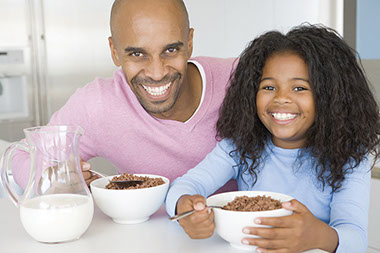
    Image of father and daughter having breakfast.

    A healthy breakfast is a must for kids. Skip it and your kids will be playing nutritional catch-up for the rest of the day, said Carole L. Adler, a dietitian at the Food and Drug Administration.

    When kids skip breakfast, they don’t get what they need to be at their best. “Growing bodies and developing brains need regular, healthy meals,” she said. According to the Academy of Nutrition and Dietetics, studies show that school children who eat breakfast perform better in the classroom.

    As with other meals, it’s a good idea for your kids (and you) to eat a healthy balance of fruits and vegetables, proteins, grains, and dairy-not just for breakfast but throughout the day.

    Here are Adler’s 7 quick and easy breakfast tips to ensure your children start their day off right.

    1.Breakfast doesn’t have to mean traditional breakfast foods.Anything goes. Even last night’s leftovers.

    2.Give kids foods they like.Put veggies on that left-over whole-grain pizza. Or make muffins with zucchini and carrots and spread with peanut butter with a glass of milk. Mix sugary cereal with a healthier nutrient-packed brand.

    3.Make healthy trade-offs.Nutritional balance is key. Not enough vegetables in the morning meal? Prepare extra carrot, celery, and broccoli sticks with a hummus dip as an afternoon snack.

    4.Take growth and activity levels into account.Adler says that having a breakfast that contains protein, fat, and carbohydrates helps children feel full and stay focused until lunch. Protein choices might include an egg, some nuts, a slice of deli meat or cheese, or a container of yogurt.

    5.Don’t take, “Mom, I don’t have time for breakfast” as an excuse.Make sure your kids grab a piece of fruit on the way out the door, and hand them a bag of nut-and-fruit trail mix or a whole-wheat tortilla spread with peanut butter or almond butter and a carton of milk.

    6.Prep the night before.Morning is a busy time for everyone-you included. So take ten minutes to think ahead and prep for breakfast the night before. Chop up fruit to layer in a yogurt parfait or add to cereal. Cut up vegetables for an omelet. Mix up muffin or whole-grain waffle batter, cover, and put in the fridge.

    7.Use the Nutrition Facts label and ingredient statement when you shop.

    Desk snacks.

    People who have snacks in or on the desk reported weighing 15.4 pounds more than those who don’t. Use an opaque candy dish with a lid and store candy in a drawer where it’s less visible and accessible, advises Cornell University researcher, Dr. Brian Wansink, author of Slim by Design. Or, keep dried fruit or unsalted nuts in your desk drawer.

    © American Institute for Preventive Medicine

  • Easy Snacks For High Energy

    HEALTHY EATING

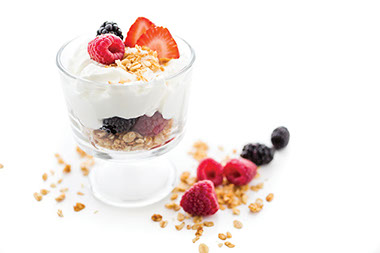
    Image of greek yogurt and fresh berries.

    One way to keep your energy up is to choose snacks that have fiber and protein. These foods are digested more slowly. That way you won’t “crash” like you do after eating sugar-filled and low-fiber foods. Some healthy choices include:

    *  An apple with a small handful of nuts

    *  Carrots and celery with string cheese

    *  Greek yogurt and fresh berries

    Source: Academy of Nutrition and Dietetics

    © American Institute for Preventive Medicine
  • Garlic Secrets

    HEALTHY EATING

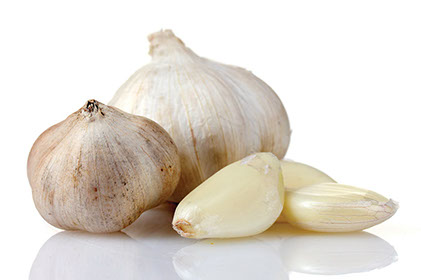
    Image of garlic.

    Use a garlic peeler to quickly peel garlic. A garlic peeler is a cylindrical piece of rubber that you place the garlic in and then roll it on the counter with the palm of your hand. The peel will stick to the inside of the peeler, and the garlic will fall out the end. If you don’t have a garlic peeler, you can do the same thing with a rubber jar opener, say extension experts at the University of Nebraska-Lincoln.

    Bonus tip:

    To mince garlic without having it stick to your knife, add a few drops of water to the garlic and then chop. The garlic sticks to the cutting board and not your knife.

    © American Institute for Preventive Medicine