Tag: nutrition

  • The Importance Of Portions: Size Matters

    HEALTHY EATING

    Image of 2 bagels.

    If it seems like food portions are bigger today than they were years ago, it’s not your imagination. Health experts say that food sizes – and obesity rates – have grown in the last 20 years. Focusing on healthy foods is important. But portion sizes are also an important factor to think about when you eat. Whether it’s a cookie or a plate of spaghetti, how much you eat is just as important as what you eat. After all, the total calories you consume each day can mean the difference between gaining weight and losing it.

    Reality check: Portions are bigger today

    Take a look at these food comparisons, and find out what you need to do to burn off those extra calories.

    Bagel

    20 years ago: 140 calories, 3-inch diameter

    Today: 350 calories, 6-inch diameter

    Calorie difference: 210 calories

    You have to rake leaves for 50 minutes to burn the extra 210 calories. (Based on 130-pound person)

    Cheeseburger

    20 years ago: 330 calories

    Today: 590 calories

    Calorie difference: 260 calories

    You have to lift weights for 1.5 hours to burn the extra 260 calories. (Based on 130-pound person)

    Soda

    20 years ago: 85 calories, 6.5 ounces

    Today: 250 calories, 20 ounces

    Calorie difference: 165 calories

    You have to work in the garden for 35 minutes to burn 165 calories. (Based on 160-pound person)

    Source: National Heart, Lung, and Blood Institute Obesity Education Initiative

    © American Institute for Preventive Medicine

  • Paleo Diet: The Good And The Bad

    HEALTHY EATING

    Image of items that are apart of a Paleo diet.

    Fads come and go – and not just hairstyles and clothing choices. Diets go through fads, too – and one of the latest is the popular Paleo diet.

    The name “Paleo” refers to our Paleolithic ancestors, also known as “cavemen.” The creators of the Paleo Diet say the foods included are those that would have been eaten by our ancestors, long before humans had agriculture and modern-day processed foods.

    Although eating more whole foods can be a good thing, the American Academy of Nutrition and Dietetics says this diet isn’t in line with current healthy eating guidelines. Here’s the pros and cons to the Paleo diet:

    THE GOOD:Processed foods are out. Chips, crackers, and other unhealthy processed foods are not allowed.

    THE BAD:Eliminating all processed foods is difficult for most people. This could lead to frustration and diet failure.

    THE GOOD:No sugar is allowed.

    THE BAD:Because milk products contain natural sugar, no dairy is allowed with the exception of butter. Milk, cheese, and yogurt are good sources of calcium, and skipping them makes it difficult to get enough of this mineral in your daily diet.

    THE GOOD:Promotes vegetables.

    THE BAD:Only small amounts of fruit are allowed. Because of their natural sugar content, the Paleo diet doesn’t allow you to eat more than a small amount each day.

    THE GOOD:You’re encouraged to eat lean meats and fish.

    THE BAD:The Paleo diet suggests far more meat than the USDA advises. Diets heavy in animal fat and protein may increase your risk of heart disease due to their saturated fat content. Also, healthy vegetarian sources of protein such as beans and legumes are not allowed. These foods offer fiber and nutrients most people need in their diet and should eat regularly.

    BOTTOM LINE:

    The emphasis on vegetables and lean meats is a good concept that can offer health benefits. But, limiting or avoiding healthy foods such as dairy and fruit limits your intake of important nutrients. The USDA Guidelines, found atchoosemyplate.gov, offer a more varied – and heart-healthy – approach to eating.

    Talk with your physician before starting any diet program.

    © American Institute for Preventive Medicine

  • The Salty 6: Hidden Sources Of Salt

    HEALTHY EATING

    Image of a bowl of soup.

    Salt, or sodium, can affect your risk of heart disease and high blood pressure. Many Americans already eat much more than the daily recommended amount of salt. Even if you skip the salt shaker, many foods already have high amounts of salt in them. In fact, more than 75 percent of the salt we consume is already in our foods. It’s not coming from the salt shaker! Be aware of these “salty 6” and start eating less of these foods:

    1. Breads and rolls

    When eaten several times a day, these foods add up to a lot of sodium. Most bread has 100 to 200 mg of sodium per slice. Check labels for lower-sodium varieties.

    2. Pizza

    The cheese, crust and tomato sauce used for pizza often contain a high amount of sodium. Add pepperoni and sausage and you’ve got a sodium explosion. Ask for less cheese and sauce, skip the meat toppings, and add more veggies. Pair it with steamed vegetables, a salad or fruit to help fill you up.

    3. Sandwiches

    Restaurant burgers, hot dogs and sandwiches may contain all of your salt allowance for the day. Make burgers at home without salt or ask for a lower-sodium option when eating out (e.g., roasted chicken sandwich). You can also share the sandwich with a friend and fill up on a fresh salad.

    4. Lunch meat or cold cuts

    Six thin slices of deli meat may contain half of your entire day’s worth of salt. Look for lower-sodium lunch meats or skip the deli meats altogether. Instead, try hummus, sautéed vegetables, tuna without salt or eggs as other tasty sandwich options.

    5. Soup

    Canned or pre-packaged soups may have almost an entire day’s worth of salt in one serving. Make homemade soup, if possible, or check labels to find lower-sodium versions. Remember, your taste buds will become more sensitive to less sodium over time.

    6. Burritos and tacos

    Toppings and fillings are often loaded with sodium. For a healthier version, choose burritos and tacos that are veggie-friendly and have less meat and cheese.

    Replace these salty foods with fruits, vegetables, whole grains, lean fresh meat and dairy. And, when you season your foods, choose a salt-free herb blend that adds flavor without any sodium.

    Source: American Heart Association

    © American Institute for Preventive Medicine

  • A Healthy Diet Helps With Stress

    SUCCESS OVER STRESS

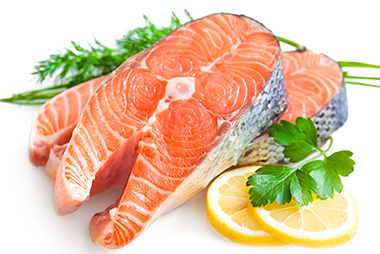
    Image of salmon.

    Can the foods you eat help you cope with stress? Yes, according to experts at the Academy of Nutrition and Dietetics. When you can’t avoid stress completely, focus on these foods to help you through it:

    Whole grains and healthy carbohydrates

    Whole grain bread, pasta, brown rice and sweet potatoes are all complex carbohydrates, which may help boost feel-good hormones in the brain.

    Heart-healthy fats

    Foods rich in omega-3 fats, such as salmon, flax seeds and walnuts may help improve mood and reduce stress and anxiety.

    Soothing hot teas

    Lavender and chamomile teas are good choices to help you relax and potentially get better sleep – keys to dealing with stress.

    Dark chocolate

    The antioxidants in this treat may help reduce stress. Be sure to keep your portion to one ounce or less a day, and choose dark varieties only. Milk and white chocolates do not offer these benefits.

    © American Institute for Preventive Medicine

  • Easy Ways To Cut Back On Sugar

    HEALTHY EATING

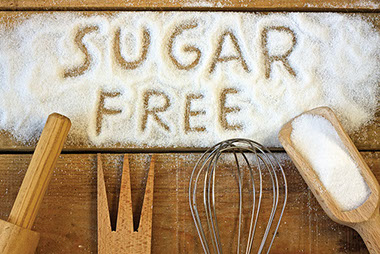
    Image of sugar spilled out on a table with the words "Sugar Free" spelled out.

    Lowering your sugar intake doesn’t have to be a struggle. Here are some tips:

    *  Keep your favorite fresh fruits ready-to-eat in the fridge or at work. Reach for these when you have a sugar craving.

    *  Get candy and sweet treats out of the house. Avoid vending machines at work. Out of sight, out of mind.

    *  Be selective about treats. Allow yourself a slice of grandma’s pumpkin pie if you really want it. Just make it a small piece and an occasional treat, not an  everyday habit.

    *  Drink water with lemon instead of soda, sports drinks, or juice. Or, make your own fruit water by putting your favorite fresh or frozen fruits in a large bottle, and fill the rest with ice water.

    *  Make a gradual change. Don’t try to cut out all sugar at once. Instead, try cutting a little here, and a little there, to get used to less of it.

    *  Decrease the sugar in recipes. When cooking or baking, try using about half the sugar you normally would. You may not notice a difference in taste.

    © American Institute for Preventive Medicine

  • Get Your Healthy Game Day On

    SELF-CARE CORNER

    Image of football field.

    The excitement of football, and even the activities and feelings of anticipation leading up to games, can be unhealthy in ways many do not realize, according to Jody Gilchrist, a cardiac nurse practitioner at the University of Alabama at Birmingham.

    Critical matchups, tight games, and crushing defeats can trigger adrenaline that reduces blood flow to the heart and other muscles and increases heart rate and blood pressure. Over time, these high levels of stress hormones can hurt your heart-even though a football game may be deemed good stress.

    Adding to the effects of stress on the body would be unhealthier foods at the tailgate party, and heavier eating and drinking during the game. Not a winning combination. Here are some tailgating tips:

    *  Help minimize stress by watching the game with people you enjoy.

    *  Knock out a few pushups and sit ups during commercial breaks.

    *  Chew gum or squeeze a stress ball to reduce anxiety and control your emotions.

    *  Take a brief walk at halftime, or if you are attending the game, take a walk around the stadium or to another section to meet a friend.

    *  Manage your net dietary intake by planning ahead and making healthier choices at other times of the day in anticipation of splurging a bit during the game.

    *  If tailgating at the stadium, try to conserve calories earlier in the day.

    *  If tailgating at home, consider using vegetables in place of chips for dips, and substitute Greek yogurt for sour cream or cream cheese dips.

    *  Because sodium causes fluid retention-something especially bad for heart patients-a good rule of thumb is to avoid foods that have more than 1 mg of sodium per calorie. At about 0.5 mg of sodium per calorie, natural foods such as fresh fruits and vegetables generally contain much less, so opt for them whenever possible.

    *  Do your best to avoid soft drinks, which are extremely high in sugar.

    In the end, your health will win-even if your team does not.

    © American Institute for Preventive Medicine

  • Iron In Foods: Why It Matters

    HEALTHY EATING

    Image of grilled chicken and steak.

    People need iron because it transports oxygen to the body’s organs and tissues. The body uses iron to make new red blood cells. It’s also important for healthy cells, skin, hair and nails.

    Eating foods that contain iron is important. This is the main way most people get the iron they need.

    Iron deficiency: a common problem

    Iron-deficiency anemia means you don’t have enough iron in your body. It is the most common nutritional deficiency in the U.S. It affects more women than men. Causes of iron-deficiency anemia include:

    *  Not getting enough iron from foods

    *  Digestive health problems such as celiac disease, Crohn’s and ulcerative colitis which don’t allow the body to absorb iron well

    *  Heavy menstrual periods

    *  Stomach bleeding, which may be caused by an ulcer or using aspirin, ibuprofen or naproxen for long periods of time

    *  Losing too much blood from surgery, frequent blood tests or an injury

    Low iron can be serious

    If iron levels get too low, a person may have an increased risk of:

    *  Depression

    *  Heart problems

    *  Infections

    Pregnant women who have low iron may deliver their baby too early. Sometimes the baby doesn’t grow as much as they should.

    Children who don’t get enough iron can have problems with learning, thinking and developing their motor (movement) skills.

    © American Institute for Preventive Medicine

  • Read The Labels, Again

    WELL-BEING

    Image of medicine bottles.

    Any box or bottle of over-the-counter (OTC) medicine lists its active ingredients prominently on the label. But are consumers using that information to make wise choices about taking two or more OTC drugs at the same time? Probably not, suggests a study in the Journal of Public Policy & Marketing.

    A consumer who takes a cold medicine containing, for instance, acetaminophen, may see nothing wrong with taking an additional medicine that also contains acetaminophen. In other words, the typical consumer, who is unlikely to have any medical expertise, may very well believe that there is no danger in taking any two OTC medications at the same time-even medications with the same active ingredients.

    Avoid double dosing. OTC drugs are not risk-free. Read labels.

    FYI

    According to the FDA, more than 600 OTC and prescription medicines contain the active ingredient acetaminophen. Taking acetaminophen is safe and effective when you follow the label information. But you can get severe liver damage if you take:

    *  More acetaminophen than directed

    *  More than one medicine that has acetaminophen

    *  3 or more alcoholic drinks every day while using acetaminophen

    For more information, ask your pharmacist, doctor, or nurse.

    © American Institute for Preventive Medicine

  • Tips For Keeping A Food Diary

    HEALTHY EATING

    Image of young man writing in a journal.

    If you’re trying to lose weight or simply want to eat healthier, keeping a food diary can help. Often times, we eat little bites here and there that don’t seem like much, but calories from them can add up quickly. A food diary will help you see everything you eat and drink so you can be more aware of extra calories or unhealthy choices. It can also help you see if you are eating because of stress or emotions. Then, you can find ways to stop these habits.

    A food diary doesn’t have to be complicated. Food diary apps are available, but they’re not necessary. The American Academy of Family Physicians and the CDC say you should write down these things:

    *  What you ate and drank

    *  The time you ate meals and snacks

    *  Where you ate and any other activity you were doing (watching TV, checking emails, etc.)

    *  Who you were with

    *  How you were feeling (before, during, and after eating)

    Don’t rely on your memory at the end of the day. It’s too difficult to remember every bite or sip. Instead, have the diary with you and write things down as soon as you can. Being honest and taking note of everything you eat and drink can help you see your eating patterns and pinpoint ways you can make healthy changes.

    © American Institute for Preventive Medicine

  • Eating Disorders

    Student Health

    Five to 10 million adolescent girls and women have an eating disorder. About 1 million males do. The 3 most common eating disorders are anorexia nervosa, bulimia nervosa, and binge eating disorder. These eating disorders are a coping mechanism. They result in an obsession with food and/or weight; anxiety around eating; guilt; and severe and adverse effects on psychological and physical health. Eating disorders are very serious health problems.

    Signs & Symptoms

    For Anorexia Nervosa

    *  Loss of a lot of weight in a short period of time.

    *  Intense, irrational fear of weight gain and/or of looking fat. Obsession with fat, calories, and weight.

    *  A need to be perfect or in control in one area of life.

    *  Distorted body image. The person feels and sees herself or himself as fat despite being a normal weight for height and age.

    *  Marked physical signs. These include loss of hair, slowed heart rate, and low blood pressure. The person feels cold due to decreased body temperature. In females, menstrual periods can stop.

    For Bulimia Nervosa

    *  Repeated acts of binge eating and purging. Purging can be through vomiting; taking laxatives, water pills, and/or diet pills; fasting; and exercising a lot to “undo” the binge.

    *  Excessive concern about body weight.

    *  Being underweight, normal weight, or overweight.

    *  Dieting often.

    *  Dental problems. Mouth sores. Chronic sore throat.

    *  Spending a lot of time in bathrooms.

    *  Because of binge-purge cycles, severe health problems can occur. These include an irregular heartbeat and damage to the stomach, kidneys,  and bones.

    For Binge Eating Disorder

    *  Periods of nonstop eating that are not related to hunger.

    *  Impulsive binging on food without purging.

    *  Dieting and/or fasting over and over.

    *  Weight can range from normal weight to mild, moderate, or severe obesity.

    Causes

    An exact cause has not been found. Persons from all backgrounds, ages, and genders are affected. Risk factors include:

    *  A family history of eating disorders.

    *  Pressure from society to be thin.

    *  Personal and family pressures.

    *  Sexual, physical, or alcohol abuse in the past.

    *  Fear of starting puberty.

    *  Fear of having sex.

    *  Pressure for athletes to lose weight or to be thin for competitive sports.

    *  Chronic dieting.

    Treatment

    *  Counseling. This can be individual, family, group, and/or behavioral therapy.

    *  Support groups.

    *  Medication.

    *  Nutrition therapy.

    *  Outpatient treatment.

    *  Hospitalization, if needed.

    Treatment varies with the disorder and how severe it is. The earlier the condition is diagnosed and treated, the better the outcome.

    Questions to Ask

    Self-Care

    Eating disorders need professional treatment.

    To Help Prevent an Eating Disorder

    *  Learn to accept yourself and your body. You don’t need to look like anyone else. Spend time with people who accept you as you are, not people who focus on “thinness.”

    *  Know that self-esteem does not have to depend on body weight.

    *  Eat nutritious foods. Focus on whole grains, beans, fresh fruits and vegetables, low-fat dairy foods, and low-fat meats.

    *  Commit to a goal of normal eating. Realize that this will take time. It will also take courage to fight fears of gaining weight.

    *  Don’t skip meals. If you do, you are more likely to binge when you eat.

    *  Avoid white flour, sugar and foods high in sugar and fat, such as cakes, cookies, and pastries. Bulimics tend to binge on junk food. The more they eat, the more they want.

    *  Get regular, moderate exercise 3 to 4 times a week. If you exercise more than your doctor advises, do non-exercise activities with family and friends.

    *  Find success in things you do. Hobbies, work, school, etc. can promote self-esteem.

    *  Learn as much as you can about eating disorders from books and organizations that deal with them.

    *  To help their children avoid eating disorders, parents should promote a balance between their child’s competing needs for independence and family involvement.

    To Treat an Eating Disorder

    *  Follow your treatment plan.

    *  Attend counseling sessions and/or support group meetings as scheduled.

    *  Identify feelings before, during, and after you overeat, binge, purge, or restrict food intake. What is it that you are hoping the food will do?

    *  Set small goals that you can easily reach. Congratulate yourself for every success. This is a process. Accept set backs. Learn from them.

    *  Talk to someone instead of turning to food.

    *  Work toward the point where weight is no longer a way you rate your success. Think about your accomplishments, positive personal qualities, and valued relationships.

    *  Learn to express your rights. You have the right to say no and the right to express your feelings and your opinions. You have the right to ask that your needs are met.

    *  Keep a journal of your progress, feelings, thoughts, etc., but not about what you eat. The journal is just for you, not for others to read or judge. This is a safe place to be honest with yourself. The journal can also help you identify your “triggers” so that you can deal with them in the future.

    *  Don’t let the scale run your life. Better yet, throw out the scale!

    Resources

    Your school’s Student Health Service, Student Counseling or Mental Health Service

    National Eating Disorders Association (NEDA)Information and Referral Helpline

    800.931.2237

    www.nationaleatingdisorders.org
    Student Self-Care book by the American Institute for Preventive Medicine. www.HealthyLife.com. All rights reserved.

    © American Institute for Preventive Medicine