Tag: nutrition

  • A Jolt Of Java

    HEALTHY EATING

    Image of 3 coffee cups around coffee beans.

    The addictive drug caffeine (yes, it’s a drug) is naturally found in coffee beans and is added to other drinks and foods. So how much is in your daily cup?

    Here’s what the Center for Science in the Public Interest says. (Numbers are in milligrams per 8 ounce cup, unless otherwise stated, so judge accordingly because who drinks just 8 ounces?)

    * Note: The FDA advises consumers to talk with their health care providers before using any product marketed as an “energy shot” or “energy drink.”

    *  Brewed coffee 102 to 200 (by comparison, brewed decaf 5)

    *  Instant coffee 27 to 173

    *  Starbucks brewed 160 (Starbucks vanilla latte 75 or 1 oz Espresso 75)

    *  Dunkin’ Donuts 103

    *  Starbucks Tazo Chai tea 50

    *  Brewed tea 40-120

    *  Arizona Iced Tea, black 16; green 7.5

    *  Snapple, Just Plain Unsweetened 9

    *  5-Hour Energy (1.93 oz) 207*

    *  Monster Energy 80 (but the cans are 16 oz so 160)*

    *  Coke, regular or diet 54 (12 oz); Classic 35

    *  Sprite, regular or diet 0

    *  SoBe Essential 48

    *  Ben & Jerry’s Coffee Heath Bar Crunch 84

    *  Hershey’s Chocolate Bar (1.55 oz) 9

    *  Hershey’s Kisses (9 pieces) 9

    *  Excedrin (Extra Strength, 2 tablets) 130

    © American Institute for Preventive Medicine

  • Eat Healthy & Save On Groceries

    FINANCIAL HEALTH

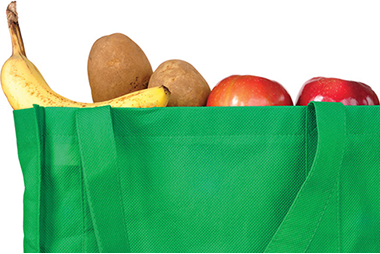
    Illustration of grocery cart with fruit and vegetables.

    Many people assume that healthy food, such as fresh fruit, costs more than processed and less nutritious foods like crackers and cookies. Although the best foods aren’t always the cheapest, healthy foods are worth the money spent. A healthy diet can help you feel better physically and mentally, which could mean fewer doctor visits and a better quality of life. If you’d like to eat healthier but are afraid it will hurt your budget, try these tips to get the most bang for your buck at the supermarket.

    *Plan your meals.Once or twice a week, sit down and write out the recipes you’d like to cook for the next few days. Write down the ingredients and shop for only those items. You’ll be less likely to resort to takeout because you have “nothing to eat” and you can avoid unneeded purchases.

    *Buy what’s in season.There’s a reason strawberries cost more in the winter months. They become harder to grow, and they must be shipped to your store from greater distances. Instead of trying to eat “summer” foods year-round, find out what’s freshest during each season. Citrus fruits and pears, for instance, are often best during the colder months.

    *Start a garden.You don’t need a huge yard to take advantage of growing your own food. Even a few small pots on a back deck or porch can allow you to grow some of your favorite fruits or vegetables. They’ll be fresh and delicious when you harvest them, and you won’t have to buy them.

    *Stock up.Canned goods, packaged cereals and other nonperishable items can be bought in larger quantities when on sale and stored. If you’re not a fan of clipping coupons, try buying them in bulk when possible.

    *Don’t overlook store brands.Buying canned and frozen items of the generic or store brand could save you a few dollars each time you visit the grocery store. Also, consider store brand bread, pasta, juice and other items. You probably won’t taste the difference.

    *Don’t shop while hungry.Some studies suggest that shopping while hungry could lead you to purchase more food than you need. Uneaten food, even the healthy kind, is money wasted.

    © American Institute for Preventive Medicine

  • Get Your Iron In The Kitchen!

    HEALTHY EATING

    Image of couple in the kitchen.

    Eating healthy foods high in iron may help you avoid getting iron-deficiency anemia. Many delicious foods are good sources of iron.

    The best animal sources of iron include:

    *  Beef or chicken liver

    *  Lean beef

    *  Chicken

    *  Turkey

    *  Oysters

    Good plant food sources of iron include:

    *  Beans and lentils

    *  Baked potatoes

    *  Tofu

    *  Cashews

    *  Spinach and other dark green leafy vegetables

    *  Breakfast cereals that are fortified with iron

    *  Whole grain breads

    You can also cook with a cast iron pan. Some of the iron from the pan absorbs into the foods you cook. Acidic foods like tomato sauces absorb the highest amount from cast iron pans.

    There’s another way to get even more iron out of the foods you eat. Eating a high-iron food with a food that contains vitamin C helps your body absorb iron better. Vitamin C-rich foods include:

    *  Oranges and citrus fruits

    *  Kiwi fruit

    *  Mango

    *  Papaya

    *  Pineapple

    *  Strawberries

    *  Broccoli

    *  Brussels sprouts

    *  Bell peppers

    *  Sweet potatoes

    *  Tomatoes and tomato juice

    See your doctor about iron

    You can get your iron levels checked by your doctor with a blood test. Some people already have high iron levels and should not use cast iron pans or take iron supplements. Talk to your doctor about iron, including any recommended diet changes.

    Sources: Academy of Nutrition and Dietetics, National Heart, Lung, and Blood Institute, U.S. National Library of Medicine

    © American Institute for Preventive Medicine

  • Is Cinnamon Good For Your Health?

    HEALTHY EATING

    Image of cinnamon.

    Cinnamon is often used in sugar-loaded treats like cinnamon rolls and lattes. And though it’s a popular spice for desserts, it’s not necessarily an unhealthy choice. The spice has been used for thousands of years, and some recent studies suggest cinnamon may even have health benefits:

    *  A study in the journal Diabetes Care studied 60 people with type 2 diabetes. Some were given cinnamon capsules, and others were given a placebo (a fake pill that contained no cinnamon). Those who consumed the cinnamon for 40 days had lower levels of blood sugar, triglycerides, LDL (“bad”) cholesterol, and total cholesterol.

    *  A study in the Journal of Nutrition suggests that cinnamon and other spices may help reduce triglyceride levels after eating a fatty meal.

    *  The Journal of Neuroimmune Pharmacology published a study that suggests cinnamon may be able to protect the brain against changes that can cause Parkinson’s disease.

    Want to spice up your health with cinnamon? Try adding it to your favorite foods or drinks in place of sugar. Its natural flavor can be a welcome addition to coffee, tea, oatmeal, fruit, and even chili.

    High doses of cinnamon can be dangerous, though. Be sure to talk with your doctor before taking cinnamon or other natural supplement.

    © American Institute for Preventive Medicine

  • Re-Freeze Foods Safely

    HEALTHY EATING

    Image of a freezer.

    It’s an old-wives’ tale that foods cannot be refrozen. But follow guidelines for safe food handling, according to the Partnership for Food Safety Education and the USDA.

    If raw foods such as meat, poultry, egg products, and seafood have been thawed in the refrigerator, then they may be safely re-frozen without cooking for later use. Never thaw raw foods by letting them sit on the kitchen counter. If raw foods are thawed outside of the refrigerator, for example in the microwave or in cool water, they should be cooked immediately. Never re-freeze raw or not fully cooked foods that have been thawed outside of the refrigerator.

    © American Institute for Preventive Medicine

  • Top 10 Fruit Snacks For Kids

    HEALTHY EATING

    Image of child eating yogurt with strawberries and blue berries.

    Forget cookies. Fruit is now the number-one snack item parents give to children under the age of 6. That’s because leading researchers believe that parents are taking childhood nutrition more seriously.

    The Produce for Better Health Foundation suggests these top 10 fruit snacks for kids:

    *  Popsicles (freeze fruit juice to make your own)

    *  Fruit sandwiches (slices of apples or pears and low-fat cheese)

    *  Peanut butter and fresh fruit

    *  Fresh fruit dipped in low-fat yogurt

    *  Fruit smoothies

    *  Canned fruit or single-serve fruit cups

    *  Applesauce as a dip for fresh fruit slices

    *  Dried fruit packs such as raisins

    *  Fresh fruit dipped in poppyseed dressing

    *  Frozen fruit chunks such as bananas and grapes

    © American Institute for Preventive Medicine

  • Eating Disorders 2

    Women’s Health

    Image of women sitting alone.

    Common eating disorders are anorexia nervosa, bulimia nervosa, and binge eating disorder. People who have these conditions are obsessed with food and/or body weight. Eating disorders are a way to cope. They are serious health problems and are more common in females than in males.

    Signs & Symptoms

    Anorexia Nervosa

    *  Loss of a lot of weight in a short period of time.

    *  Intense, irrational fear of weight gain and/or of looking fat, obsession with fat, calories and weight.

    *  A need to be perfect or in control in one area of life.

    *  Distorted body image; the person feels and sees herself or himself as fat despite being a normal weight for height and age.

    *  Marked physical signs, such as loss of hair, slowed heart rate, and low blood pressure. The person feels cold due to decreased body temperature. In females, menstrual periods can stop.

    Bulimia Nervosa

    *  Repeated acts of binge eating and purging, which can be through vomiting, taking laxatives, water pills, and/or diet pills, fasting, and exercising a lot to “undo” the binge.

    *  Excessive concern about body weight.

    *  Being underweight, normal weight, or overweight.

    *  Dieting often.

    *  Dental problems, mouth sores, chronic sore throat.

    *  Spending a lot of time in bathrooms.

    *  Because of binge-purge cycles, severe health problems can occur, including an irregular heartbeat and damage to the stomach, kidneys and bones.

    Binge Eating Disorder

    *  Periods of nonstop eating that are not related to hunger.

    *  Impulsive binging on food without purging.

    *  Dieting and/or fasting over and over.

    *  Weight can range from normal weight to mild, moderate, or severe obesity.

    Causes & Risk Factors

    An exact cause has not been found. Persons from all backgrounds, ages and genders are affected. Risk factors include:

    *  A family history of eating disorders.

    *  Pressure from society to be thin.

    *  Personal and family pressures.

    *  Sexual, physical, or alcohol abuse in the past.

    *  Fear of starting puberty.

    *  Fear of having sex.

    *  Pressure for athletes to lose weight or to be thin for competitive sports.

    *  Chronic dieting.

    Treatment

    *  Counseling. This can be individual, family, group, and/or behavioral therapy.

    *  Support groups.

    *  Medication.

    *  Nutrition therapy.

    *  Outpatient treatment.

    *  Hospitalization, if needed.

    Treatment varies with the disorder and how severe it is. The earlier the condition is diagnosed and treated, the better the outcome.

    Questions to Ask

    Self-Care

    Eating disorders need professional treatment.

    Prevent an Eating Disorder

    *  Learn to accept yourself and your body. You don’t need to look like anyone else. Spend time with people who accept you as you are, not people who focus on “thinness.”

    *  Know that self-esteem does not have to depend on body weight.

    *  Eat nutritious foods. Focus on whole grains, beans, fresh fruits and vegetables, low-fat dairy foods, and lean meats.

    *  Commit to a goal of normal eating. Realize that this will take time. It will also take courage to fight fears of gaining weight.

    *  Don’t skip meals. If you do, you are more likely to binge when you eat.

    *  Limit white flour, sugar and foods high in sugar and fat, such as cakes, cookies and pastries. People who have bulimia tend to binge on junk food. The more they eat, the more they want.

    *  Get regular, moderate exercise at least 3 to 4 times a week. If you exercise more than your doctor advises, do more non-exercise activities with family and friends.

    *  Find success in things you do. Hobbies, work, school, etc. can promote self-esteem.

    *  Discuss with family and friends how TV, movies and social media can send the message that only a certain body type is acceptable.

    *  Learn as much as you can about eating disorders from reputable websites, books and organizations that deal with them.

    *  To help children avoid eating disorders, parents should promote a balance between their child’s competing needs for independence and family involvement.

    Treat an Eating Disorder

    *  Follow your treatment plan from your health care provider. To be successful, you need to be actively involved in your treatment.

    *  Attend counseling sessions and/or support group meetings as scheduled.

    *  Set small goals that you can easily reach. Congratulate yourself for every success. This is a process. Accept set backs. Learn from them.

    *  Talk to someone instead of turning to food.

    *  Work toward the point where weight is no longer a way you rate your success. Think about your accomplishments, positive personal qualities, and valued relationships.

    *  Learn to express your rights. You have the right to say no and the right to express your feelings and your opinions. You have the right to ask that your needs are met.

    *  Keep a journal of your progress, feelings, thoughts, etc., but not about what you eat. The journal is just for you, not for others to read or judge. This is a safe place to be honest with yourself. The journal can also help you identify your “triggers” so that you can deal with them in the future.

    *  Don’t let the scale run your life. Better yet, throw out the scale!

    Resources

    National Eating Disorders Association (NEDA)Information and Referral Helpline

    800.931.2237

    www.nationaleatingdisorders.org

    Women's Self-Care book by the American Institute for Preventive Medicine. www.HealthyLife.com. All rights reserved.

    © American Institute for Preventive Medicine

  • Am I Hungry?

    HEALTHY EATING

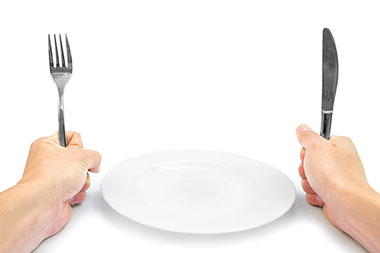
    Image of empty dish plate.

    Learn to tell if you’re really hungry or just think you’re hungry. Before you grab something to eat, figure out if you are truly hungry or just bored. Maybe you are thirsty rather than hungry.

    Try this, says Anita Kobuszewski, RD, author of Food: Field to Fork, How to Grow Sustainably, Shop Wisely, Cook Nutritiously, and Eat Deliciously. Slow down and sit down. With your mouth closed, let your tongue rest relaxed, sinking low to the floor of your mouth. Close your eyes. Take a deep breath. Hold it for a count of 3. Exhale slowly through pursed lips. Relax. Repeat this 3 times.

    Before you open your eyes, ask your tummy if it’s hungry. If the answer is no, then move on. If the answer is yes, eat something healthy with protein, complex carbs, and a small amount of healthy fat. An example would be a glass of skim milk and a slice of whole grain toast with a dab of chunky peanut butter, or an apple with a dab of almond butter.

    The point is not to run on empty. The body needs a consistent flow of energy to keep all its systems running well.

    © American Institute for Preventive Medicine

  • Eat Less Without Being Hungry

    HEALTHY EATING

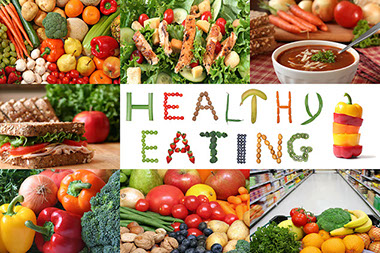
    Image of fruits, vegetables, soup and a sandwich with the words "Healthy Eating".

    If you’re trying to lose weight, you may already know that you need to cut calories. If you consume more calories than your body needs, it stores those extra calories as fat. To lose weight, you actually have to eat fewer calories than your body needs.

    But cutting calories isn’t always easy. Many people don’t stick with diets because of one main reason: hunger. The body’s hunger signals are nearly impossible to ignore. Your stomach growls, you feel tired, and you can’t concentrate. Over time, your hunger becomes harder to fight, and you may give up on your diet or overeat.

    It doesn’t have to be this way. You can eat enough food to stay satisfied while still cutting calories. Experts say it’s the amount and types of food you eat, not the number of calories that fills you up. The key is to choose “low-energy-dense foods,” or foods low in calories that can still satisfy your hunger, according to the CDC. In general, these types of foods have lots of water content, high fiber, and/or very little fat.

    Some of the best low-energy-dense foods include:

    *  Fresh fruits and vegetables

    *  Beans and legumes

    *  Low-fat or fat-free dairy foods

    *  Broth-based soups (not cream-based ones)

    *  Whole grains (look for whole grains and fiber on the food label)

    Think about a side-by-side comparison of low- versus high-energy-dense foods. One cup of french fries has 168 calories. But, one cup of salad with a tablespoon of low-calorie dressing has only 30 calories. You’ve just eaten the same amount of food, and slashed your calorie intake by more than 80 percent.

    It’s also a good idea to keep track of what you eat each day, so you have a clear picture of how many calories you’re consuming. The ChooseMyPlate website atwww.choosemyplate.govhas resources to help you focus on eating the right foods and making gradual, realistic changes to your diet for better health. No crash diets or hunger pangs are needed!

    © American Institute for Preventive Medicine

  • Giving The Gift Of Healthy Eating

    HEALTHY EATING

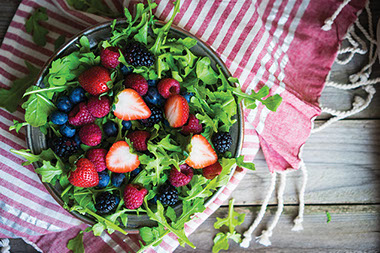
    Image of salad filled with a variety of berries.

    The holiday season is usually associated with a lot of unhealthy, rich foods and sweets. The result of eating too much of these treats is often weight gain. A study in the New England Journal of Medicine found that people gained weight within 10 days of a national holiday, and it took several months to lose that weight.

    This year, celebrate without extra weight! Spread the gift of healthy eating to others by giving gifts that encourage good habits.

    Making healthy food easier

    If you’re looking for a thoughtful gift that will be truly appreciated, try giving the gift of healthy food that saves time and effort! Here are some ideas:

    *Make a healthy meal that freezes well and hand deliver it.The recipient can choose to freeze and eat later, or eat it that day. Be sure you are aware of any food allergies or other dietary needs. Some ideas include homemade chili or pasta sauce.

    *Put a more creative twist on a traditional fruit basket and give them a fruit salad that’s ready to eat.Pre-washed and cut fruit that’s ready to grab means they can enjoy it right away, without any prep time.

    *Put soup ingredients in a mason jar.This is a popular gift that helps the person prepare an easy and healthy dinner. Usually, the dry ingredients for your favorite soup will go well in a jar. Be sure to include directions on how to cook it, and consider adding some whole-grain bread on the side.

    *Share your favorite mix or sauce.Do you have a secret recipe for healthy granola or a delicious marinade for meats? Share your gift of cooking by putting it in a jar or container with a nice label. Provide tips on how to use or prepare it.

    Not into cooking?You can always purchase dishes or containers that are useful for healthy eating. For instance, a person who eats lunch on the go may appreciate containers that can keep salads, dressing or other healthy foods fresh and delicious.

    © American Institute for Preventive Medicine