Tag: nutrition

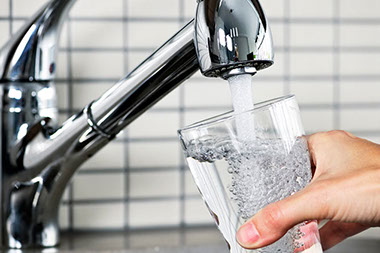
  • Choose Water Instead Of Sugar-Sweetened Beverages

    Nutrition

    Glass of water flavored with strawberries and cucumbers.

    *  Excess sugar increases the risk for overweight, diabetes, and heart disease.

    *  On average, an adult in the U.S. consumes 60 pounds of sugar and sweeteners each year. This about 17 teaspoons per day! Nearly half of this is from soda and other sugar-sweetened drinks.

    *  Read food labels. Choose beverages and foods without added sugar sources. These include sugar, honey, fructose, corn syrup, corn syrup solids, and high-fructose-corn syrup.

    Dos

    *  Choose a 16 oz. black coffee with 1 oz. reduced fat milk. This has 2 g of sugar and less than 25 calories.

    *  Enjoy unsweetened iced tea with lemon. It has no sugar and no calories.

    *  Drink fruit-flavored water or fizzy water with no added sugar and minimal calories.

    Don’ts

    *  Don’t select the 16 oz. French vanilla cappuccino. It has 42 g of sugar and 320 calories.

    *  Don’t choose regular soft drinks. A 12-oz. serving has about 10 teaspoons (38 g) of sugar and 150 empty calories.

    Page from HealthyLife Weigh book by the American Institute for Preventive Medicine. www.HealthyLife.com. All rights reserved.

    © American Institute for Preventive Medicine

  • Keep Produce At Its Peak

    Nutrition

    Image of reusable bag filled with produce.

    Produce-fresh fruits and vegetables-is a gold mine of nutrients, usually with a price to match. To get the most nutrition for the “lettuce” you fork over for fresh produce, follow these suggestions.

    *  Select fruits and vegetables that look crisp or feel firm.

    *  When buying citrus fruits and pineapple, choose fruits that feel heavy for their size.

    *  Don’t buy produce that’s soft or bruised.

    *  Don’t buy more than you can use within a few days. If not used within a few days, store it under refrigeration. Most kinds of produce kept at room temperature ripens-or spoils-more rapidly. That’s fine if you’re eager to eat an avocado or banana, but not so great if you want to be able to use every last orange or lemon in the bag.

    *  Don’t soak produce in water-nutrients will leach out.

    *  Pat produce dry after washing, to prolong freshness.

    *  Don’t cut vitamin C rich fruits or vegetables, like strawberries and peppers, until just prior to eating. Exposure to the air destroys vitamin C.

    Page from A Year of Health Hints book by the American Institute for Preventive Medicine. www.HealthyLife.com. All rights reserved.

    © American Institute for Preventive Medicine

  • Eating Disorders 3

    Mental Health

    Women looking at her body in a mirror.

    A person with an eating disorder is obsessed with food and/or body weight.

    Eating disorders are serious but treatable mental and physical illnesses that affect people of all ages, genders, body weights, and racial/ethnic backgrounds.

    It is estimated that millions of Americans have struggled with an eating disorder at some point over their lifetime. Eating disorders are caused by a range of biological, psychological, and sociocultural factors.

    You may not be able to tell someone has an eating disorder by how they look. A person with anorexia nervosa may be very underweight, but persons with bulimia nervosa and binge eating disorder can be underweight, normal weight, or overweight.

    Find out about eating disorders from the National Eating Disorders Association atnationaleatingdisorders.org.

    ays to Well-Being book by the American Institute for Preventive Medicine. www.HealthyLife.com. All rights reserved.

    © American Institute for Preventive Medicine

  • Can Food Prevent Cancer?

    HEALTHY EATING

    A variety of baskets filled with fruits and vegetables.

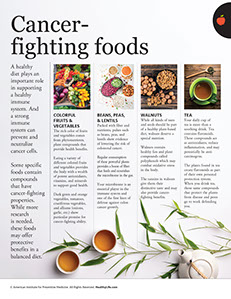
    Studies have shown that eating healthy foods, especially plants, can help prevent certain health problems. It can help you avoid type 2 diabetes, heart disease and stroke. Some research also shows that a healthy diet can help prevent cancer.

    There is no single food or diet that will always prevent cancer. Many times, cancer is caused by things we cannot control. But there is promising research that says a healthy diet can lower your risk of some cancers. Here is what researchers have found.

    Fruits and vegetables

    We already know fruits and vegetables are good for you. They are full of vitamins, fiber and other nutrients. Eating lots of fruits and vegetables may lower the chances of getting lung, colorectal, oral, esophagus, stomach and colon cancer. The Mediterranean Diet, which includes lots of fruits and vegetables, is one diet plan that seems to have anti-cancer ability.

    In addition to fruits and vegetables, people should get enough calcium and vitamin D. These nutrients may play a role in lowering the risk of getting colorectal cancer.

    Phytochemicals – a health booster

    Phytochemicals are special chemicals found in plants. Some studies suggest that they can lower your cancer risk. Phytochemicals may:

    *  Boost your immune system

    *  Help block cancer-causing substances called carcinogens

    *  Lower inflammation that can lead to cancer

    *  Help your DNA repair itself

    *  Slow down the growth of cancer cells

    *  Get rid of damaged cells in the body

    Phytochemicals are found in fruits, vegetables, legumes and whole grains. Foods that have bright colors or strong flavors tend to have the most phytochemicals.

    What not to eat

    Some foods may increase the risk of some cancers. Avoid or limit:

    *  Heavily processed meats like ham, bacon, sausage and salami

    *  Alcohol, which may increase the risk of mouth, throat, esophagus, breast, colorectal and liver cancer

    *  Foods that cause indigestion and heartburn. Long-term heartburn can increase the risk of esophagael cancers

    Most experts agree that nutritional supplements have not been shown to fight cancer. Stick to eating healthy foods for more cancer-fighting power.

    Your doctor is your partner in helping to prevent cancer and other health problems. Be sure to discuss your cancer risk and the best diet for you.

    Sources: American Academy of Family Physicians, American Institute for Cancer Research, National Institute of Diabetes and Digestive and Kidney Diseases

    © American Institute for Preventive Medicine

  • Eating Right With Gout

    SELF-CARE CORNER

    Variety of leaft greens.

    Gout is a type of arthritis. It can develop if a person has high levels of a substance called uric acid in their blood. Uric acid can form sharp crystals in the joints. This can cause severe pain, redness, warmth and swelling. Gout often affects the big toe, but it can affect other joints.

    Sometimes gout doesn’t cause any pain for a while. Then, a person may get severe pain in the affected joint. This is called a gout attack. When a gout attack happens, uric acid levels go up or the crystals in the joint cause irritation. A gout attack is very painful.

    In addition to pain, gout can cause heart problems. People who have gout may be more likely to have heart failure, a heart attack or stroke. Eating certain foods can help keep uric acid levels low. This can help a person prevent gout attacks.

    What to eat with gout

    If you have gout, you may want to eat more of the following foods:

    *  Leafy green vegetables

    *  Other green vegetables like green beans and peas

    *  Legumes like beans and lentils

    *  Tofu

    *  Low-fat or fat-free milk and dairy products

    *  Whole grain breads and cereals

    *  Vegetable oils like olive oil

    *  Coffee (if you already drink it)

    *  Citrus fruits like grapefruit and oranges

    *  Pineapple

    *  Strawberries

    *  Cherries

    In addition, drink at least eight glasses of water a day.

    Skip these foods & drinks

    Certain foods and beverages can trigger gout attacks. Avoid the following:

    *  Beer (alcoholic and  non-alcoholic)

    *  Alcoholic drinks

    *  Soda, fruit juice, and foods with high-fructose corn syrup

    *  Organ meats like liver and sweetbreads

    *  Cold water fish like tuna, salmon and trout

    *  Shellfish like mussels, scallops, squid, shrimp, oysters, crab and lobster

    Eating a healthy diet is a great way to manage gout and help avoid attacks. It also helps to get regular exercise. Be sure to see your doctor as recommended. Your doctor may prescribe gout medication if needed and will discuss your heart disease risk.

    Sources: American Heart Association, Arthritis Foundation

    © American Institute for Preventive Medicine

  • Helping Kids Make Health Decisions

    FAMILY LIFE

    Couple with young daughter.

    Children can learn how to be a part of their own health care. This can start when children are young, but it’s never too late. Here are some ways to empower them to make medical decisions.

    From ages 5 to 10 years old, kids can talk with the doctor at their appointments.

    Your child’s doctor should talk to your child when it’s appropriate. They can use language the child will understand.

    Once your child is 11 years old, let them do most of the talking at the doctor’s office.

    Ask your child if they want you in the room during appointments. Encourage them to ask the doctor questions about their health.

    Teenagers can take the lead in their doctor appointments. Talk with them about their health conditions and medications so they can discuss them with their doctor.

    Teach your teen how to schedule a doctor’s appointment and call for a medication refill. These are skills they will need when they leave home.

    © American Institute for Preventive Medicine

  • Plant-Forward Eating

    HEALTHY EATING

    Variety of plant based foods.

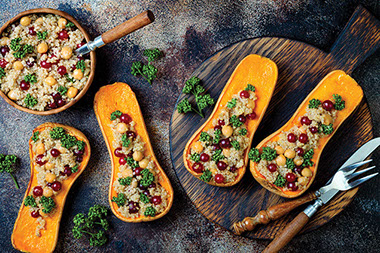
    A plant-forward style of eating is one that features plant foods as the star of most meals. Animal foods such as meat and dairy may be included but are not the main focus. There are many ways to be plant-forward and improve the health of your diet.

    How it works

    Plant-forward eating is less of a diet prescription and more of a healthy food mindset.

    Each meal begins with the question: “what plants can I add to my plate?” Animal products should be a secondary consideration and eaten in small amounts.

    A plant-forward diet focuses on:

    *  Whole grains such as brown rice, quinoa, amaranth, bulger, whole wheat, millet, and oatmeal

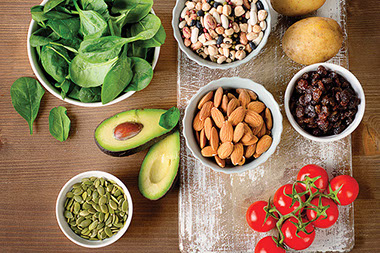
    *  Plant proteins such as nuts, nut butter, seeds, soy, beans, peas, and lentils

    *  A variety of vegetables of every color

    *  Whole fruits

    *  Quality plant fats such as olive oil, avocados, canola oil, and nuts

    Benefits

    Plant-forward eating has many benefits to physical health. Diets high in plant foods are linked to improved health and a lower risk of disease. Eating less meat reduces your risk of:

    *  Obesity

    *  Heart disease

    *  Stroke

    *  Type 2 diabetes

    *  High blood pressure

    *  High blood lipids

    *  Certain cancers

    In addition, a plant-focused diet benefits the environment. Fewer animal products may translate to lower greenhouse gas emissions and more responsible land, energy, and water usage.

    Getting started

    Gradual change over time is the best way to create healthy habits. It also helps to get family members on board with “plant forward.” Here’s how to get started:

    *  Take it one meal at a time. Start with just breakfast or lunch being meat-free.

    *  Find a few simple, meatless recipes to try. Look for those big on flavor.

    *  Add more of the plant foods you already love to your plate and shopping cart. Gradually branch out for more variety.

    *  Swap out the meat in a recipe for a plant protein like beans or tofu.

    *  Aim to make three-fourths of your plate plant foods.

    *  Reduce your meat portions by half.

    © American Institute for Preventive Medicine

  • Tips For Intermittent Fasting

    HEALTHY EATING

    Clock sitting on top of a white plate.

    If you have a health condition, talk to a doctor before trying any diet.

    Intermittent fasting isn’t safe for everyone. People who have diabetes could have dangerous blood sugar crashes if they go too long without eating. If you take medications, the timing of your meals may be important, too.

    Focus on healthy foods

    Intermittent fasting plans focus on when you eat, not what you eat. But, this doesn’t mean you should eat lots of junk food when you’re following this diet approach.

    Sugary, processed foods will likely make you feel even more hungry not long after you eat them. Also, they won’t give you the nutrients your body needs.

    To help you feel full and cut calories, focus on plenty of high fiber, vegetables, fruits, whole grains, and lean protein.

    Stay hydrated

    Hydration is very important when you’re fasting. Make sure you drink plenty of water. Some people may need electrolyte drinks. Ask your doctor about why these types of fluids may be recommended.

    Dehydration can make you more hungry and is not healthy for you. Severe dehydration is life-threatening. Make sure you have water with you at all times and drink plenty of other fluids. Avoid caffeinated drinks like coffee, because they can make you jittery and could make dehydration worse.

    Start small

    Fasting can be difficult when you’re not used to it. Think about a healthy way you could do a mini fast each day. For instance, start by not eating anything after dinner each night. You might fast from   7 p.m. to 6 a.m.

    This is a way to allow your digestive system to rest and to burn some extra calories at night. When we don’t eat for several hours, the fat cells can get rid of some of their stored energy. Plus, because you’re not snacking after dinner, you’ll probably cut some calories from your daily intake.

    If this method works for you, try making the fast a little longer. Work your way up to the 8-hour window, or whatever timeframe works best for you.

    © American Institute for Preventive Medicine

  • Control Your Cholesterol & Triglycerides

    Nutrition

    A blood test called a “lipoprotein profile” checks your blood cholesterol (lipid) levels. Too much LDL-cholesterol, other fatty deposits, and calcium can make plaque. This can clog the walls of the arteries and slow down or block blood flow to the heart or brain. Blocked arteries can cause a heart attack or stroke. Get your blood lipids tested, as advised by your doctor. Examples of lipid numbers are listed below.

    *Note: Instead of target blood lipid numbers, your doctor will discuss treatment which may include medication, (such as a statin), based on:

    *  Your age, health conditions, and family history of premature cardiovascular disease (CVD).

    *  Your LDL-cholesterol.

    *  Your 10-year risk for CVD.

    Ways to Reduce Cholesterol

    *  Take medications, if prescribed.

    *  Limit foods with saturated fats. Have no trans fats. These are hydrogenated oils in foods, such as stick margarine and some processed foods.

    *  Use salad dressings and margarines made with plant sterols and stanols (e.g., Benecol and Take Control brands.)

    *  Choose lean beef, pork, lamb, chicken, and turkey. Limit serving sizes.

    *  Eat a variety of fruits and vegetables (5 to 7 or more servings/day) and whole-grain products (6 or more servings/day).

    *  Have 31 to 38 grams of dietary fiber if you are a man; 21 to 25 grams a day if you are a woman.

    *  Eat fish 2 to 3 times a week (especially ones high in omega-3 fatty acids, such as salmon).

    *  Use nonfat and low-fat dairy products.

    *  If you drink alcohol, do so in moderation.

    *  Be physically active.

    Ways to Reduce Triglycerides

    *  Lose weight if you are overweight. Follow a low-fat diet. Limit alcohol, sugar, and foods with sugar.

    *  Get regular exercise.

    *  Take medications, if prescribed.

    Resources

    National Heart, Lung, and Blood Institute

    www.nhlbi.nih.gov

    Page from Healthier at Home book by the American Institute for Preventive Medicine. www.HealthyLife.com. All rights reserved.

    © American Institute for Preventive Medicine

  • Make Soup!

    Nutrition

    Image of soup in bowl.

    People sip, slurp, and spoon soup not only for basic sustenance, but also to stay healthy. Chicken soup really does help relieve the nasal stuffiness of a cold. And studies show that soup can help you lose weight. Because soup is mostly liquid, it takes longer to eat than solid food. By the time you’ve sipped the last spoonful, your brain will have noticed that you’ve eaten, and shut off your appetite. If you’d quickly gobbled down a sandwich, your brain would still be asking “What’s for lunch?”

    Here are some tips for making soup that’s a bowlful of nutrition.

    *  Use skim milk instead of whole milk for creamed or condensed soups. You’ll save calories and add calcium, vitamin D, and protein.

    *  Soups that feature vegetables, beans, or rice add fiber and nutrients to your diet.

    *  Add the liquid left over from cooking vegetables to soup stock.

    *  Season homemade soup with herbs and seasonings like parsley, pepper, garlic powder, and onion powder, instead of salt.

    *  If you rely on commercially prepared soup for convenience, try to stick with reduced or low-sodium ones.

    Page from A Year of Health Hints book by the American Institute for Preventive Medicine. www.HealthyLife.com. All rights reserved.

    © American Institute for Preventive Medicine