Tag: nutrition

  • Enjoy Thanksgiving Without Weight Gain

    HEALTHY EATING

    Family and friends sitting around the table having dinner.

    Most of us think of Thanksgiving as a huge meal where we enjoy our favorite foods. But you don’t have to feel guilty afterward. You can truly enjoy your holiday meal and hang on to your healthy habits.

    Don’t “save your appetite”

    Many people think that they should skip breakfast and lunch so they can be extra hungry for Thanksgiving dinner. This usually leads to extreme hunger and  overeating. In fact, you’ll probably eat much more than you would have done if you had eaten lunch!

    Instead of skipping meals, focus on eating very healthy meals early in the day to avoid feeling too hungry. This helps you make smart choices and control portion sizes when you show up for dinner.

    Enjoy every bite

    Start with smaller portions, and eat slowly while smelling and tasting each bite. We often overeat when we gobble food down quickly. We don’t truly enjoy it and experience how delicious it is. You can get just as much satisfaction and enjoyment from eating smaller portions.

    Small, slow and steady is key

    The appearance of food makes a difference in how much we eat. If you use a big plate, you may be more tempted to fill it up and eat more. It helps to start with a smaller plate.

    Put down your fork and wait a few minutes before getting second helpings. Give your stomach time to tell your brain that it’s full. You may find that you don’t need more food after all.

    Focus on colorful fruits and vegetables

    The fall harvest can be a great way to enjoy the season. Make your dish “to pass” a healthy plate of winter squash or baked apples (without added sugar). Or try roasted broccoli or cauliflower.

    If you’re hosting the meal, make sure you have lots of vegetables and fruits on the menu. For example, appetizers can be cut-up veggies, rather than chips.

    Don’t put healthy habits on “hold”

    The holidays are busy, but a 15-minute walk will help lower stress levels and burn a few calories. Keep exercise and healthy habits in mind, even if you decide to indulge in a few treats.

    Remember that one holiday slip-up doesn’t mean you have to give up your healthy eating or exercise plan! Get back on track tomorrow.

    Sources: Academy of Nutrition and Dietetics, American Heart Association

    © American Institute for Preventive Medicine

  • Is Sea Salt Better Than Regular Salt?

    HEALTHY EATING

    A salt bottle opened with spilled salt.

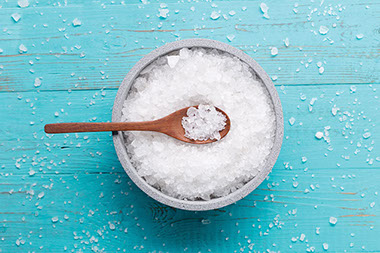
    Many food products contain “sea salt” as an ingredient instead of table salt, also commonly called “salt.” In particular, many so-called natural food products say they use sea salt. But is sea salt any healthier than old-fashioned table salt?

    What’s the difference?

    In general, sea salt has a coarse, crunchy texture. Table salt has a more fine grind and may have a weaker taste. In foods like potato chips or sea salt caramels, some people prefer the flavor and texture of sea salt.

    Sea salt is made from evaporated sea water. It’s usually not processed, so it may be considered a more “natural” choice. It may contain trace levels of minerals like magnesium, potassium and calcium. But, these minerals are found in small amounts. So, eating sea salt is not a reliable way to get more minerals in your diet.

    Table salt comes from mined salt deposits. It is processed into a fine texture. During this process, it usually loses its other minerals. However, most table salt brands contain added iodine, which is a necessary nutrient that many people don’t get enough of. Table salt may also contain some additives to prevent clumping.

    Same in sodium

    Although sea salt shows up in many “natural” food products, it’s not usually healthier. Sea salt and table salt have about 40 percent sodium by weight.

    Some types of sea salt say that they contain less sodium than table salt. To check this, read the Nutrition Facts panel on the package. Table salt contains about 575 mg of sodium in ¼ teaspoon.

    Going coarser

    Some very coarse salts like kosher salt may have slightly less sodium, teaspoon for teaspoon. This is because the larger crystal size makes it less compact, so you can’t get as much salt into your measuring spoon.

    In these cases, using a coarse type of salt in cooking may help you reduce sodium content, but probably not by very much. Some people prefer the taste and texture of a very coarse salt. But don’t use it thinking that you’ll really reduce your sodium intake.

    Choose the type of salt you prefer, and use it sparingly. One type isn’t healthier than another. Talk to your doctor about how much sodium you should eat each day.

    Source: American Heart Association

    © American Institute for Preventive Medicine

  • Potassium: Why You Need It

    HEALTHY EATING

    A varity of foods high in potassium.

    Potassium is an important mineral that the body needs for various functions. But many people don’t get enough potassium in their diet. And people who take certain diuretic medicines may have low levels, too.

    Why do I need potassium?

    When potassium levels are low, a person may have:

    *  High blood pressure and stroke: Low potassium raises the risk of having high blood pressure, especially when a person eats high amounts of salt (sodium). High blood pressure is a major risk factor for heart attack and stroke.

    *  Kidney stones: Low potassium levels can take calcium out of the bones. This causes calcium to come out in the urine, which can lead to kidney stones. Kidney stones can be painful and sometimes require procedures or surgery to remove.

    *  Bone weakness: Potassium strengthens bones. Without it, bones may be weaker and more likely to break.

    *  Muscle weakness

    *  Heart rhythm problems, known as arrhythmias

    Food sources of potassium

    A healthy diet can help you get the right amount of potassium. These foods are good sources:

    *  Leafy greens, such as spinach and kale

    *  Vegetables like peas, cucumbers, squash and broccoli

    *  Root vegetables, such as potatoes, sweet potatoes and carrots

    *  Fruit from vines, such as raspberries, grapes and blackberries

    *  Citrus fruits, such as oranges and grapefruit

    *  Fruits, such as dried apricots, melon, raisins and bananas

    *  Legumes, such as beans and lentils

    *  Milk and yogurt

    *  Meats, poultry and fish

    How much potassium you need

    It’s usually best to get your potassium through a healthy diet. Don’t take potassium supplements unless your doctor recommends it. Most people need 2,600-3,400 milligrams (mg) of potassium every day.

    People who have chronic kidney disease may need to lower their potassium intake. This is because the kidneys help get rid of excess potassium. Ask your doctor about your potassium intake if you have kidney disease.

    Most people can get a proper balance of potassium and other minerals through their diet. Ask your doctor before making any major diet changes.

    Sources: National Institutes of Health, U.S. National Library of Medicine

    © American Institute for Preventive Medicine

  • Vegan Diet: Myths & Facts

    HEALTHY EATING

    Stuffed butternut squash with chickpeas, cranberries, quinoa cooked in nutmeg, cloves, cinnamon.

    Vegan diets excludes all animal products, including meat, eggs, milk, cheese, and even honey. A vegan diet CAN be healthy when done right. Let’s take a closer look.

    Myth #1: Vegan diets are short on protein

    Fact: While animal foods contain concentrated protein, many plant foods also contain protein. As long as a variety of plant proteins are eaten at every meal, getting adequate protein is no problem. Vegan sources of protein include:

    *  Beans

    *  Legumes

    *  Nuts

    *  Seeds

    *  Soy products

    *  Whole grains such as quinoa, oatmeal, and millet

    Myth #2: Dairy is needed for strong bones

    Fact: Calcium, vitamin D, vitamin K, and magnesium are all essential nutrients for strong bones. However, dairy is not the only food source. Lots of plants contain those nutrients:

    *  Spinach

    *  Broccoli

    *  Tofu

    *  Edamame

    *  Beans and chickpeas

    *  Chia seeds

    Safe amounts of sunlight provide vitamin D, but supplements of both vitamin D and calcium may be beneficial.

    Myth #3: Vegan diets cause malnutrition

    Fact: Poor nutrition is possible for anyone who doesn’t make wise food choices. Being vegan does require a certain amount of planning to ensure adequate protein, fat, and nutrient intake. But being a healthy vegan is very doable.

    Because it is plant-based, a balanced vegan diet may decrease the risk of some chronic diseases such as:

    *  Heart disease

    *  Diabetes

    *  High blood pressure

    *  Obesity

    Myth #4: Vegan diets aren’t safe for children

    Fact: Kids can be healthy vegans, too. However, due to their unique nutritional needs, it takes extra care and planning to ensure their growing bodies get enough protein, fat, vitamins, and minerals. It’s best to work with a pediatrician to ensure a vegan diet works  for your child.

    Myth #5: Vegan diets are restrictive

    A vegan diet may not be for everyone. But, those who follow this way of eating enjoy a wide variety of delicious plant foods. If you choose to switch to a vegan diet, give yourself plenty of time to adapt to new ways of shopping, cooking, and eating.

    © American Institute for Preventive Medicine

  • Dietary Fiber

    Nutrition

    A variety of foods high in fiber.

    Diets high in dietary fiber may help reduce the risk of colon cancer, heart disease, diabetes, and heartburn.

    Choose whole-grain foods over white, enriched ones. Eat plenty of vegetables, fruits, beans, lentils, nuts and seeds.

    Health experts advise adults getting 22 to 34 grams of dietary fiber a day. Most adults in the U.S. get only about 15 to 18 grams a day.

    Choose whole-grain breads, cereals, and pasta instead of white and refined ones. Have legumes (beans, etc.) in salads, soups, chili, etc. Choose whole fruits over juices. Snack on vegetables.

    Page from HealthyLife Weigh book by the American Institute for Preventive Medicine. www.HealthyLife.com. All rights reserved.

    © American Institute for Preventive Medicine

  • Nine Tips For Healthier Fast-Food Meals

    Nutrition

    Image of restaurant neon sign.

    Fortunately for the millions of Americans who eat at fast-food restaurants each day, choices are no longer limited to burgers, fries, and shakes. Most chains offer fruits, salads, baked potatoes, soups, and whole wheat products in addition to traditional choices. Here are some suggestions for more nutritious fast-food meals.

    *  Read nutrition information on the fast food restaurant’s Web site, brochures in the restaurant, or on the package.

    *  Avoid fried foods. Choose baked or broiled ones instead. If you order fried food, remove the breading (it sops up most of the grease).

    *  Order pizza with mushrooms, onions, tomatoes, and peppers instead of pepperoni and sausage.

    *  Avoid mayonnaise-laced salads. Instead, opt for fresh, unadorned fruits and vegetables. Use low-fat or fat-free salad dressings.

    *  Steer clear of bacon bits, croutons, rich salad dressings, and fried noodles.

    *  Use high-sodium condiments like mustard or pickles sparingly. And do not add salt to fast food. It doesn’t need it.

    *  Ask for low-fat milk, fruit juice, or plain water instead of soft drinks.

    *  Use skim or low-fat milk instead of cream or nondairy creamer in your coffee or tea.

    *  Avoid high-fat, calorie-rich pastries and dessert. They offer very little nutrients. Opt for fruit cups and apple slices.

    Page from A Year of Health Hints book by the American Institute for Preventive Medicine. www.HealthyLife.com. All rights reserved.

    © American Institute for Preventive Medicine

  • Save By Staying Healthy

    Medical Care

    An ounce of prevention is worth more than a pound of cure. The healthier you are, the less you will need to pay for medical care. Also, the state of your health is one of the main factors in setting the cost of health and life insurance.

    Don’t send money up in smoke.

    Cigarette smoking is bad for your health. It’s bad for your wallet, too. A person who smokes two packs a day spends over $3,000 a year just on cigarettes. Hundreds of dollars more are spent on extra dental and medical costs. The cost of health, life, and disability insurance is about 30% higher for persons who smoke.

    Weight does matter.

    Obesity is a leading cause of preventable death. Losing weight can lower the risk for type 2 diabetes, heart disease, and other chronic diseases. These can cost you and your employer a lot of money to treat. Obese persons who buy health insurance on their own may have to pay more. Insurance companies may even turn them down.

    Be fit at little or no cost.

    Take part in fitness programs at work. Join a mall walkers program. Walk with a friend. Follow along with fitness programs on TV. Or, if you have a stationary bike, ride it while you watch TV. Being active every day is a huge investment in your health.

    Look at your genes.

    Find out what health problems both sides of your family have or had. Start with your parents, brothers, and sisters. Then find out about ones your grandparents, uncles, aunts, and first cousins have or had. Once you know what health problems run in your family, talk with your doctor. He/she can suggest ways to lower your risk of getting them.

    Don’t back quacks.

    Find out about products and treatments that don’t work or could cause harm fromwww.quackwatch.organdwww.fda.gov. Don’t waste money on things that don’t help.

    Be savvy about AD-vice.

    Check with your doctor before you follow advice from Web sites and ads that promote products. Many are costly and give little or no benefit.

    Detect to protect.

    Have screening tests and exams that can help detect health problems in early stages when they are easier and less costly to treat. Follow your doctor’s advice.

    Money well spent.

    If you have no health insurance or your health plan does not pay for screening tests or doctor visits, it is still important to have them. Paying for these now could save you thousands in medical costs in the future. Tests may cost less than you think.

    Know thy “health self.”

    The more you know about your health problems, the easier it is to make informed choices about how to take care of them. Find out what you need to do from your doctor. Get reliable facts, too, from trusted sources.

    Follow your doctor’s treatment plan.

    This helps to improve your health. It helps keep problems from getting worse. For example, keeping blood pressure under control can reduce the risk of having a stroke or a heart attack.

    A shot in the arm for your health.

    Get vaccines, as needed, to prevent illnesses. This applies to children, as well as adults. The Centers for Disease Control and Prevention give guidelines for vaccines every year. Find out what they are atwww.cdc.gov/vaccines. Also, if you plan to travel to other countries, find out what vaccines you should get. Find out fromwww.cdc.gov/travel.

    Know about the Vaccines for Children (VFC) Program.

    Your children may be able to get free or low-cost vaccines. Find out fromwww.cdc.gov/vaccines/programs/vfc/default.htm.

    Cover image to the Healthy Savings book by the American Institute for Preventive Medicine. www.HealthyLife.com. All rights reserved.

    © American Institute for Preventive Medicine

  • Choosing Low-Mercury Fish

    HEALTHY EATING

    Fish in frying pan.

    Fish are a healthy choice of protein. They are low-calorie and contain fats that can boost heart health.

    However, fish also contain mercury. Some fish contain high amounts, but others contain very low amounts. Fish absorb mercury from the environment. But they also get it from manufacturing, coal burning and other things.

    The type of mercury found in fish is called methylmercury. Too much methylmercury can damage a person’s brain and nervous system. This is even more dangerous for a developing fetus and for young children.

    Is fish safe to eat?

    Fish is safe and healthy to eat if you choose the right kind of fish and the right amounts. A serving size of fish is four ounces. This is about the size of the palm of your hand. Adults should eat at least two “palm-size” portions each week.

    Children should eat less than this amount. Ask your child’s pediatrician about the recommended amount for their age.

    Pregnant and breastfeeding women should avoid high-mercury fish. They can eat up to 3 palm-sized servings of low-mercury fish each week.

    Low-mercury fish types

    There are many types of fish that are low in mercury. They include the following:

    *  Anchovies

    *  Cod

    *  Flounder

    *  Haddock

    *  Herring

    *  Oyster

    *  Perch, freshwater and ocean

    *  Pickerel

    *  Pollock

    *  Salmon

    *  Sardines

    *  Scallops

    *  Shrimp

    *  Sole

    *  Tilapia

    *  Tuna, canned light (limit albacore to 1 serving/week)

    *  Whitefish

    High mercury fish to avoid

    The following types of fish are high in mercury. People should not eat these types of fish.

    *  King mackerel

    *  Marlin

    *  Orange roughy

    *  Shark

    *  Swordfish

    *  Tilefish (Gulf of Mexico)

    *  Tuna, bigeye

    Local fishing

    If you like to eat fish caught from local waters, check fish advisories first. Then, eat only one palm-size serving and don’t eat other fish that week.

    Fish advisories can be found on the Environmental Protection Agency (EPA) website. Go tofishadvisoryonline.epa.gov.

    Sources: U.S. Environmental Protection Agency, U.S. Food and Drug Administration

    © American Institute for Preventive Medicine

  • Enjoying Winter Squash

    HEALTHY EATING

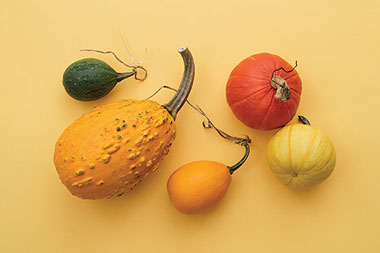
    Variety of winter squash.

    In the cooler months, winter squash is ripe and begins to appear at farmers’ markets and stores everywhere. These delicious vegetables come in a wide variety of colors, flavors, and textures. They provide a wealth of nutrients.

    Types of winter squash

    Compared to thin-skinned, tender summer squash, winter squash take longer to mature and develop thick skins that allow for longer storage. Each variety has a unique flavor. Try:

    *  Acorn

    *  Butternut

    *  Spaghetti

    *  Delicata

    *  Hubbard

    *  Pumpkin

    Health benefits

    *  High in fiber

    *  Excellent source of vitamins A and C

    *  Full of antioxidants and anti-inflammatory nutrients

    *  It may reduce the risk of heart disease, cancer, diabetes, and other chronic diseases.

    Preparing & cooking

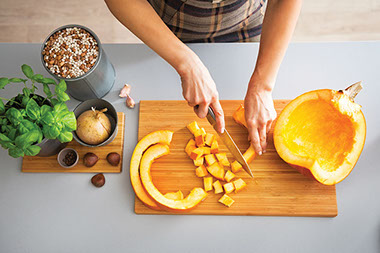
    To bake:Cut squash in half and place both halves face down (or face up for some recipes) on a baking tray. Add a small amount of water to the tray and bake at 350º for 35-60 minutes.

    To boil or steam:Use a knife to carefully peel the outer skin. Cut squash in half and remove seeds. Cut into even cubes. Boil or steam for 7 to 10 minutes until desired softness is reached.

    © American Institute for Preventive Medicine

  • Kid-Friendly, Healthy Snacks

    HEALTHY EATING

    Kids hands cutting out star shaped watermelon.

    A simple way to encourage your kids to eat healthy is to have healthy foods on hand and easily available to them.

    *  Put fruits and vegetables within reach on the counter or in the refrigerator.

    *  Save cookies and sweets as occasional treats, not everyday snacks.

    *  Avoid buying chips, crackers and other high-calorie, high-sugar packed foods. Or buy less of them and keep them in a less convenient location. Out of sight, out of mind.

    *  Purchase easy but healthy “packaged” snacks like no sugar added fruit cups, raisin packs, cheese sticks, Greek yogurt and popcorn (choose “light” popcorn without too much added butter or salt).

    Popcorn treats

    Ingredients

    2 tablespoons soft margarine or butter (melted)

    5 cups popped popcorn

    3/4 cup raisins

    1 cup shredded wheat cereal (bite-size)

    1 tablespoon sugar  (brown or white)

    1 1/4 teaspoons cinnamon

    Directions

    1.  Pop popcorn. You can use microwave or stovetop, but choose one without added butter, sugar or salt.

    2.  Mix popped corn, raisins, and cereal in a large bowl.

    3.  Mix sugar and cinnamon in small dish.

    4.  Drizzle melted margarine or butter over mixture.

    5.  Add sugar and cinnamon mixture.

    6.  Shake or stir until all ingredients are evenly distributed.

    Nutrition per serving: Servings 4. Calories 265; Total Fat 10 g; Saturated Fat 2 g; Sodium 118 mg; Total Carbohydrate 46 g; Dietary Fiber 5 g; Protein 4 g

    Source: USDA ChooseMyPlate

    © American Institute for Preventive Medicine