Tag: nutrition

  • Feeding The Picky Eater

    FAMILY LIFE

    Image of young girl excited to eat.

    Pre-dinner tips

    *  Get your child involved. Many kids can help with shopping and cooking. Being involved in the process may make them more likely to try new foods. Have them choose a favorite fruit or vegetable from the store. Younger children can help pour ingredients or cut soft foods, like bananas, with a butter knife. Older children can help with measurements.

    *  Get some exercise. Kids who have been actively playing may be hungrier when dinner comes. The hungrier they are, the more likely they may try new things.

    *  Turn off devices. Make family mealtimes relaxing and unplugged. Ban cell phones, television or other devices from the table.

    Size matters

    Don’t force your child to eat foods they don’t like. Rather, put a “sample size” on their plate. It can be just one bite of food. This may be less overwhelming than serving a large portion to them.

    Sanity-saving steps

    *  Make healthier snacks to fill the gaps. Serve fresh fruit or vegetables as a snack to get in extra nutrients. Skip the processed crackers and chips.

    *  Don’t have a battle. Forcing your child to eat could make them dislike their food even more.

    *  Don’t use bribes or rewards for eating. Rewards teach your child to expect something every time he/she tries a new food.

    *  Make one healthy meal for everyone. Don’t feel pressured to make “special meals” for picky eaters.

    *  Talk about your child’s eating habits with their doctor. Most picky eaters are getting enough of the foods they need. But, ask their pediatrician just in case. Some children need supplements to help get extra nutrients that they’re missing.

    Source: American Academy of Pediatrics

    © American Institute for Preventive Medicine
  • Make Your Food Sustainable

    HEALTHY EATING

    Variety of food items on green table.

    A sustainable food system is one that provides health and food security both now and in the future.

    Food may be grown, processed, distributed, and prepared in ways that protect, or do not protect, the future ability to produce food. As a consumer, you can make choices that increase the demand for sustainable food.

    Sustainable food systems

    The term food system refers to the elements and activities that relate to the food you eat. This includes agriculture, production, processing, distribution, preparation, and consumption of food.

    A sustainable food system encompasses three pillars:

    *Environmental:A sustainable food system protects natural resources through efficient use of land, water, forest, and fisheries.

    *Economic:A sustainable food system protects and improves livelihoods and requires responsible and efficient governance.

    *Social:A sustainable food system supports the resilience of the community and enhances social well-being.

    Why it matters

    If any aspect of a food system degrades the ability to continue to produce nutritious food, that practice is considered unsustainable.

    For example, some farming techniques may deplete the health of the soil. Over time the soil may be less able to support healthy crops, making the practice unsustainable.

    In addition, a sustainable food system ensures no one goes hungry, now or in future generations.

    What you can do

    Much of the work to make food systems sustainable requires top-down regulation and innovation. However, there are things you can do to support sustainability efforts:

    *  Grow some of your own food.

    *  Purchase from local growers.

    *  Cook at home.

    *  Compost food scraps.

    *  Reduce food waste.

    *  Volunteer with non-profit organizations that are working to fight hunger.

    © American Institute for Preventive Medicine
  • Recipe: Banana Walnut Oatmeal

    HEALTHY EATING

    Bowl of banana walnut oatmeal.

    Ingredients

    *  2 cups fat-free or low-fat milk

    *  1 dash salt

    *  2 cups oats (quick-cooking)

    *  2 bananas (very ripe, mashed)

    *  2 tablespoons maple syrup

    *  2 tablespoons walnuts (chopped)

    Directions

    1.  In a small saucepan, combine milk and salt. Heat over medium heat until steaming hot but not boiling.

    2.  Add oats and cook, stirring until creamy, 1 to 2 minutes.

    3.  Remove the pan from heat and stir in mashed banana and maple syrup. Divide between 4 bowls. Sprinkle with chopped walnuts and serve.

    Nutrition Information: Serves 4: Total calories 292 kcals, total fat 6 g, saturated fat 1 g, sodium 118 mg, carbohydrates 52 g, fiber 5 g, protein 11 g.

    Source: MyPlate.gov

    © American Institute for Preventive Medicine
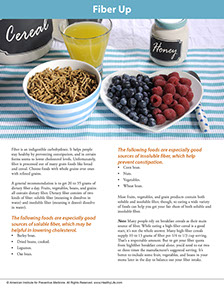
  • Bring On The Barley

    HEALTHY EATING

    Two bowls filled with barley, one cooked, one raw.

    In its whole-grain form, barley is packed with a wealth of beneficial nutrients. Known for its nutty flavor and slightly chewy texture, it makes a great addition to soups, salads, and many other dishes.

    What’s in it

    *Fiber:One-quarter cup of uncooked, whole-grain barley (3/4 cup cooked) has 8 grams of fiber.

    *Beta-glucan:One of the unique fiber types in barley, beta-glucan, has been shown to lower blood LDL-cholesterol levels by aiding cholesterol excretion from the body.

    *Antioxidants:Contains many vitamins, minerals, and phytochemicals. Vitamin E and lignans are two antioxidants in whole-grain barley.

    *Minerals:It provides a good source of iron, selenium, copper, and magnesium.

    Health benefits

    A diet high in whole grains, such as barley, is widely recognized as beneficial to health. It may:

    *  Reduce the risk of heart disease

    *  Support healthy digestion

    *  Aid in weight management and weight loss

    *  Reduce the risk of type 2 diabetes

    *  Lower chronic inflammation

    *  Decrease the risk of cancer

    *  Support bone health

    Types of barley

    To get the health benefits of eating barley, you need to eat the whole-grain form. When a grain is refined, the bran and germ are stripped away, removing some key nutritional value, including its fiber.

    Barley comes in several forms, some of which are whole and some refined. Choose a whole-grain version!

    Whole grain barley

    *  Hulled barley

    *  Hulled barley grits

    *  Hulled barley flakes

    *  Whole grain barley flour

    Refined barley

    *  Pearl barley

    *  Quick pearl barley

    © American Institute for Preventive Medicine
  • Eat Out Without Filling Out

    Nutrition

    Order wisely and remember portion control.

    In today’s busy world, more and more meals are being eaten away from home. With some advanced planning, self-control and wise choices, dining out can still be a pleasant and healthy experience. Before you go to a restaurant, check out its menu and nutrition information online. Choose a place to eat that offers healthy options. If you can’t preplan, opt for foods lower in calories and high in nutrients.

    Go for it.

    *  Green leafy salads and veggies

    *  Chicken, turkey, fish, and lean meats. Choose ones that are broiled, grilled, steamed, poached, roasted, or baked

    *  Pasta dishes with red, marinara or primavera sauce

    *  Foods made with yogurt, broth, or mustard sauces

    *  Apple slices or fruit parfaits instead of French fries

    Avoid it.

    *  Anything creamy, fried, crispy, breaded, battered, or au gratin (with cheese)

    *  Sauces or soups with lots of butter, cream, or cheese

    *  Thick or creamy salad dressings

    *  Most casserole dishes

    *  Value, deluxe, or supersized meals

    *  Double and triple-decker burgers or 12-ounce steaks

    Healthy Eating Out Tips

    *  Split a meal or ask for a take-out box and pack it up before you dig in. Most restaurant meals are generous to a fault.

    *  Even at dinner, ask for a lunch-sized portion.

    *  Drink water or low-fat milk. Soda and other sugary drinks are wasted calories.

    *  Limit alcohol. Choose wine over mixed cocktails that have added calories.

    *  If you have dessert, order fresh fruit. Or share a dessert with someone.

    *  Have it your way. Ask that foods be prepared without added fats and salt.

    Action Step

    If your eyes are craving dessert, wait at least 15 minutes after you finish your meal. This allows your body to decide if it is actually still hungry.

    Page from Ways to Well-Being book by the American Institute for Preventive Medicine. www.HealthyLife.com. All rights reserved.

    © American Institute for Preventive Medicine
  • Plan An Anti-Cancer Diet

    Nutrition

    The American Cancer Society estimates that one-third of cancer deaths that occur in the U.S. each year are due to dietary factors, inactivity, and being overweight. It’s hard to say exactly how much changing your diet reduces the risk of cancer, but it’s fair to say that the following steps can help.

    Eat less fat, especially from animal sources.

    These include foods such as beef, pork, butter, cream, sour cream, and cheese. Choose non-fat and low-fat dairy products and other foods low in fat. Replace fat-rich foods with fruits, vegetables, grains, and beans.

    Eat more fruits, vegetables, and whole-grain products like cereal and bread.

    Eat at least 5 servings of fruits and vegetables each day. Fruits and vegetables help protect against some cancers due to the vitamins, minerals, fiber, and plant chemicals they contain. Vary your choices. Foods with whole grains (wheat, rice, oats, and barley) also contain vitamins, minerals, and dietary fiber. Have six to 11 servings of whole-grain breads, cereals, etc. each day.

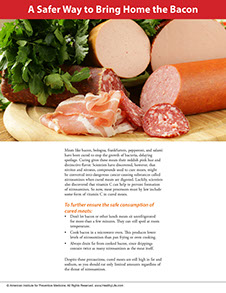
    Eat fewer cured, grilled, or smoked foods.

    When eaten in excess, these foods may increase the risk of stomach and esophageal cancer. This increase may be due to one or more of the following: nitrites and nitrates they contain; their high fat content; or changes that occur when they’re cooked or processed.

    Limit consumption of alcohol, if you drink at all.

    Combined with cigarette smoking, over-consumption of alcohol has been shown to increase the risk of cancer of the mouth, esophagus, and larynx. Also, alcohol may promote breast cancer regardless of whether you smoke or not. Excessive drinking also contributes to liver cancer. Cancer risk increases with the amount of alcohol consumed. The risk may start to rise having as few as two drinks per day. A drink is defined as 12 ounces of regular beer, 4 to 5 ounces of wine, or 1-1/2 ounces of 80-proof distilled spirits, like vodka or whiskey.

    Be physically active and maintain a desirable weight.

    Obesity is associated with an increased risk of cancers of the colon and rectum, prostate, breast (for women past menopause), endometrium, and kidney. Lose weight if you are overweight. Exercise on a regular basis.

    Page from A Year of Health Hints book by the American Institute for Preventive Medicine. www.HealthyLife.com. All rights reserved.

    © American Institute for Preventive Medicine
  • Cranberries A Healthy Holiday Dish

    HEALTHY EATING

    Bowl of cranberries.

    Cranberries are a popular pairing with a juicy Thanksgiving turkey. Like other fruits, they’re nutritious and low in calories. They contain antioxidants, which can help fight disease. They’re also a good source of fiber. Here’s how to enjoy them at your holiday:

    1.  Go for fresh berries. Many cranberry dishes contain loads of added sugar. Canned cranberry sauces and jellies may also have added sugar. Save your extra calories for dessert and skip the sugar-laden jellies and sauces.

    2.  Mix fresh cranberries together with apples and pears to offset their tartness.

    3.  If they’re too tart for you, use them in savory dishes. Try making a salsa with cranberries instead of tomatoes. Or toss them on a salad with a savory dressing like balsamic vinegar.

    Source: United States Department of Agriculture

    © American Institute for Preventive Medicine
  • Fill Your Grill, But Keep It Healthy

    HEALTHY EATING

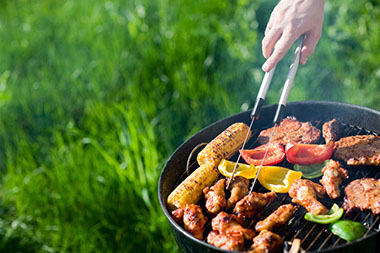
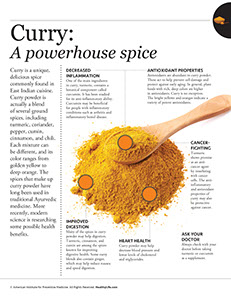
    Vegetables on the grill.

    Many people like to use their grill or barbecue during the summer months. While grilling can create delicious meals, it’s important to know how to avoid grilling meats the wrong way, which can increase cancer-causing substances in the food.

    Substances known as polycyclic aromatic hydrocarbons (PAHs) and heterocyclic amines (HCAs) can be found in meat that is cooked at high temperatures. These substances have been shown to cause cancer in laboratory animals. But the levels used in the animal studies were very high. Experts cannot say for sure how much of these substances would cause cancer in people.

    PAHs and HCAs can be found in meat that has been grilled, especially if it’s charred or blackened. Meat that is smoked may also contain these chemicals.

    To lower these substances in grilled food, you can:

    *  Avoid burning or charring the food when grilling.

    *  Turn meat frequently when grilling to avoid burnt or very hot areas.

    *  Don’t let the flames touch the meat directly.

    *  Marinade the meat first.

    *  Wrap meat in foil before placing it on the grill.

    *  Trim excess fat off of meat to avoid charring.

    *  Cut it up. Smaller pieces of meat will cook faster throughout. Try skewers or small pieces mixed in foil packets with vegetables.

    Beyond meat

    Vegetables and fruits can be delicious on the grill and they don’t have the risk of PAHs or HCAs. This doesn’t mean that meat-lovers have to avoid their favorite foods. Instead, have a portion of meat about the size of a deck of cards. Then fill the rest of your plate with vegetables. Red peppers, tomatoes, pineapple, peaches and asparagus are just a few of the vegetarian options that are both delicious and nutritious on the grill.

    Sources: American Institute for Cancer Research, National Cancer Institute

    © American Institute for Preventive Medicine
  • Make Your Picnic Fun & Safe

    HEALTHY EATING

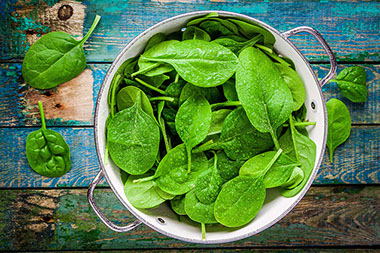
    Family have a picnic.

    Many people enjoy outdoor eating throughout the spring and summer. But don’t let unsafe food rain on your picnic. Food poisoning can happen when food is not kept at the right temperature during barbecues and outings. Dangerous bacteria can grow on the food and make people sick.

    Luckily, there are some simple precautions you can take to be sure your picnic food stays safe to eat.

    Clean hands

    If you’re using a picnic site without running water and soap, bring your own. A large jug of water, some soap and paper towels will work.

    If you don’t have a jug of water, use antibacterial hand wipes. Encourage everyone to clean their hands before eating, after using the bathroom and before serving food.

    Hot and cold

    One of the keys to eating safe food is to keep hot foods hot and cold foods cold. Don’t let food become just warm or room temperature.

    The “danger zone” for bacteria to grow is between 40 and 140 degrees. If food stays at this temperature for two hours, bacteria can grow rapidly. If it’s hot outside (90 degrees or above), food can become unsafe after just one hour in the danger zone.

    To keep food cold, use ice packs or fresh, clean ice. Check it often to be sure the ice is still cold. Try to avoid opening the cooler too often.

    To keep hot foods hot, use insulated containers and microwaveable heat packs. Keep children away from hot containers or heat packs.

    Dishes and utensils

    If you’re using a grill, you may need to place raw meat, poultry or seafood on the grill. But be careful about what that raw food touches.

    Don’t reuse a plate or utensils that touched raw meat, poultry or seafood. Germs from the raw food can contaminate the cooked food and cause illness. Wash all the dishes and utensils in hot, soapy water before using them again.

    Wash produce before you go

    Before you pack your picnic basket, wash any fresh fruits or vegetables. This will ensure they are clean when you are ready to eat.

    Source: Food and Drug Administration

    © American Institute for Preventive Medicine
  • Recipe: Salad With Pears

    HEALTHY EATING

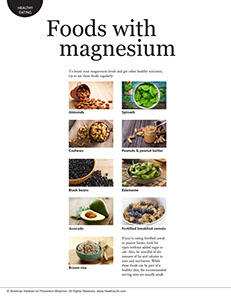
    Plate of salad with pears.

    Ingredients

    For the Salad:

    *  2 canned pear halves

    *  6 cups mixed greens

    *  1/2 tablespoon Parmesan cheese

    *  1-1/3 cups carrots, grated

    *  3 tablespoons walnuts

    For the Dressing:

    *  1/4 cup pear juice

    *  1/4 teaspoon each of cider vinegar, honey, dijon mustard, and olive oil

    *  1 dash salt and black pepper

    Directions

    1.  For the dressing, mix pear juice, vinegar, honey, mustard, salt and pepper, and olive oil in a blender and blend until smooth.

    2.  Put mixed greens in a large mixing bowl, drizzle dressing over greens, and mix together.

    3.  Add remaining chopped pear, walnuts, and grated carrots and toss lightly.

    4.  Portion out 1 cup of salad and top with grated Parmesan cheese.

    Nutrition Information: Serves 6: Total calories 64, total fat 3g, saturated fat 0g, sodium 86 mg, carbohydrates 10g, fiber 2g, protein 2g.

    Source: MyPlate.gov

    © American Institute for Preventive Medicine