Tag: nutrition

  • Food For The Brain

    HEALTHY EATING

    Women in kitchen with fresh food on counter.

    Mental health may seem like it’s all about thoughts and feelings, but your diet plays a role in how your brain functions. Your food choices may contribute to declining mental health. On the flip side, a quality diet may help manage mental health struggles. For optimal mental health, what you eat matters.

    Good nutrition helps

    A wealth of research supports the benefits of a whole-food, plant-based diet for optimal health. This applies to mental health, too. When you choose a plant-based diet, your brain works at its best. A quality diet:

    *  Provides necessary nutrients for normal brain function

    *  Supports the health of the gut microbiome, which connects to the brain and influences mood

    *  Promotes resilience to stress

    *  Provides consistent energy to feel alert and productive

    *  Supplies essential nutrients to produce hormones and neurotransmitters that influence how you feel

    Poor nutrition can hurt

    The average Western diet is high in saturated fats, added sugars, and processed foods. These foods negatively impact your health and, over time, increase your risk of chronic diseases, including mental health conditions. Too much poor-quality food and too little nutritious food is bad for your brain. Poor diet:

    *  Promotes a chronic inflammatory state in the body

    *  Contributes to oxidative stress in the brain

    *  Worsens mood disorders

    *  Disrupts the balance of mood-boosting hormones

    *  Increases appetite and food cravings

    Good nutrition for your brain

    In a plant-based diet, fruits, vegetables, whole grains, nuts, seeds, beans, and lentils should form the base of your meals. Lean animal foods such as chicken, fish, eggs, and low-fat dairy provide healthy protein in small portions.

    Try these tips to eat well for your brain:

    *  Begin your day with a high-fiber bowl of oatmeal or other whole grain with fruit.

    *  Snack on raw vegetables, fruit, or a small handful of nuts or seeds.

    *  Choose healthy oils when cooking, such as olive and avocado oil.

    *  Limit sugary beverages and choose plain or flavored water most often.

    *  Add dark leafy greens to salads, soups, smoothies, and entrees for a boost of nutrients.

    © American Institute for Preventive Medicine

  • Eat Whole Fruit

    Nutrition

    Image of fresh fruit.

    Have you ever wondered whether drinking a glass of orange juice is much different, nutritionally, than eating an orange? Or whether a glass of apple juice is better than an apple?

    Fruit juice is a fine alternative to soda or alcoholic beverages. And in some cases, juice is a rich and convenient source of vitamin C. But whole fruit has some advantages over juice. Ounce for ounce, whole fruit:

    *  Is more filling, and therefore satisfying.

    *  Contains fewer calories.

    *  Has more fiber.

    Studies show that fiber (present in fruit, but not in juice) helps regulate metabolism of carbohydrates, so sugar in fruit is absorbed more slowly than the same sugar in fruit juice. And when sugar of any kind moves into the bloodstream more slowly, your body releases less insulin, a hormone that regulates blood sugar levels and keeps them from fluctuating wildly. And you feel better when your blood sugar levels are on an even keel.

    Be aware, too, that many “juice drinks” contain only a small percentage of real juice. The rest is water, sweeteners, coloring, and flavoring. Whole fruit, on the other hand, is 100 percent fruit.

    Page from A Year of Health Hints book by the American Institute for Preventive Medicine. www.HealthyLife.com. All rights reserved.

    © American Institute for Preventive Medicine

  • Put Your Menu On A Diet

    Nutrition

    Careful menu planning can make the difference between gaining, maintaining, or losing weight. Look at the caloric differences between the three meal plans shown below. Make a point to plan each day’s meals in advance and select food items with their caloric value in mind. (Note: You can reduce calories without cutting back drastically on how much you eat simply by selecting low-fat foods.)

    Page from A Year of Health Hints book by the American Institute for Preventive Medicine. www.HealthyLife.com. All rights reserved.

    © American Institute for Preventive Medicine
  • Curry: A Powerhouse Spice

    HEALTHY EATING

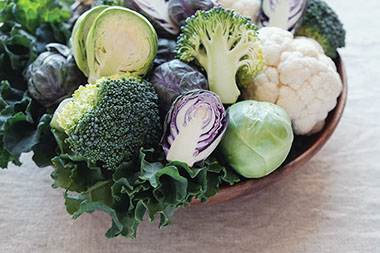
    Curry powder and wooden spoon.

    Curry is a unique, delicious spice commonly found in East Indian cuisine. Curry powder is actually a blend of several ground spices, including turmeric, coriander, pepper, cumin, cinnamon, and chili. Each mixture can be different, and its color ranges from golden yellow to deep orange. The spices that make up curry powder have long been used in traditional Ayurvedic medicine. More recently, modern science is researching some possible health benefits.

    Decreased Inflammation

    One of the main ingredients in curry, turmeric, contains a botanical component called curcumin. It has been studied for its anti-inflammatory ability. Curcumin may be beneficial for people with inflammatory conditions such as arthritis and inflammatory bowel disease.

    Improved Digestion

    Many of the spices in curry powder may help digestion. Turmeric, cinnamon, and cumin are among the spices known for improving digestive health. Some curry blends also contain ginger, which may help reduce nausea and speed digestion.

    Antioxidant Properties

    Antioxidants are abundant in curry powder. These act to help prevent cell damage and protect against early aging. In general, plant foods with rich, deep colors are higher in antioxidants. Curry is no exception. The bright yellows and oranges indicate a variety of potent antioxidants.

    Heart Health

    Curry powder may help decrease blood pressure and lower levels of cholesterol and triglycerides.

    Cancer-Fighting

    Turmeric shows promise as an anti-cancer agent by interfering with cancer cells. The anti-inflammatory and antioxidant properties of curry may also be protective against cancer.

    Ask Your Doctor

    Always check with your doctor before taking turmeric or curcumin as a supplement.

    © American Institute for Preventive Medicine
  • Foods With Magnesium

    HEALTHY EATING

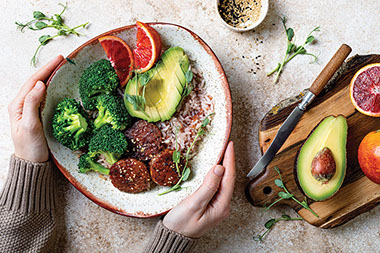
    Image of spinach.

    To boost your magnesium levels and get other healthy nutrients, try to eat these foods regularly:

    *  Almonds

    *  Spinach

    *  Cashews

    *  Peanuts & peanut butter

    *  Black beans

    *  Edamame

    *  Avocado

    *  Fortified breakfast cereals

    *  Brown rice

    If you’re eating fortified cereal or peanut butter, look for types without added sugar or salt. Also, be mindful of the amount of fat and calories in nuts and nut butter. While these foods can be part of a healthy diet, the recommended serving sizes are usually small.

    © American Institute for Preventive Medicine
  • Matcha Tea: A Healthy Trend?

    HEALTHY EATING

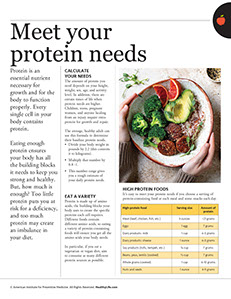
    Matcha tea.

    Matcha tea is the latest healthy drink that’s showing up everywhere. But is it really that good for you?

    Matcha tea comes from the same plant as other teas – the Camellia sinensis plant. But, it’s grown and harvested in a different way than other types of tea. Here’s what makes it different:

    *  Growers cover the leaves for several weeks before picking them. This boosts chlorophyll and gives it a deep green color.

    *  Matcha leaves are then ground into a fine powder. People add the powder directly to drinks. This means they are consuming the whole tea leaf, which includes its nutrients.

    Studies show that matcha is high in antioxidents, with research ongoing to show possible health benefits. Try a matcha drink in place of regular tea or coffee. But stay away from matcha drinks or powder that contain lots of added cream or sugar.

    © American Institute for Preventive Medicine

  • Recipe: Sweet Potato Cheesecake

    HEALTHY EATING

    Sweet potato cheesecake with a couple pieces missing.

    Try this twist on the classic pumpkin pie. The natural sweetness of sweet potatoes means less sugar is needed to enjoy this delicious dessert.

    Ingredients

    1 cup gingersnaps or graham crackers (finely crumbled)

    3 tablespoons butter

    8 ounces cream cheese (light, softened)

    1 cup sweet potatoes (cooked, mashed)

    1/3 cup sugar

    1-1/2 teaspoons pumpkin pie spice

    1 teaspoon grated orange peel

    1 teaspoon vanilla

    5 egg whites

    1 cup milk (evaporated, reduced-fat 2%)

    Directions

    Crust:Combine crumbs and butter. Press mixture into bottom and 1 inch up sides of an 8-inch springform pan. Set aside.

    Filling:

    1.  In a large mixing bowl, beat cream cheese, sweet potatoes, egg whites, sugar, pumpkin pie spice, orange peel, and vanilla until combined. DO NOT OVER BEAT.

    2.  Stir in milk. Carefully pour into prepared pan.

    3.  Bake at 350 degrees for 60-70 minutes until the center appears set.

    4.  Cool on a wire rack for 45 minutes. Cover and chill thoroughly.

    5.  Remove sides of pan.

    6.  Garnish with dessert topping and orange peel.

    Nutrition Information: (14 servings). Per serving: 139 kcals, 6g total fat, 3g saturated fat, 137 mg sodium, 17g carbohydrates, 1 g dietary fiber, 5 g protein.

    Source: U.S. Department of Agriculture

    © American Institute for Preventive Medicine

  • Eating For Peak Performance

    Fitness

    Image of oat cereal with fresh fruit.

    No pill or magic formula can instantly turn you into a super-athlete. But eating right can help you perform at your best.

    Carbohydrates-from bread, pasta, potatoes, and fruit-provide energy for vigorous activity. So active people need to replenish this fuel frequently.  Don’t expect to get a quick energy boost from a snack you eat just before starting out, though.  Instead, consuming a high-carbohydrate food like skim milk and a banana, whole wheat bread, or an orange an hour or two before a workout acts like a time-release capsule of energy.

    Because you lose electrolytes (potassium, sodium, magnesium, and calcium) in sweat during vigorous activity, drink plenty of water and eat foods that are rich in these minerals. Almost all fruits and vegetables are rich in potassium, but potatoes, bananas, orange juice, winter squash, cantaloupe, sweet potatoes, and cooked beans are especially high. Sodium is rarely lost in quantities greater than amounts you would normally consume, so you don’t need to worry about getting extra.

    Page image from the A Year of Health Hints book by the American Institute for Preventive Medicine. www.HealthyLife.com. All rights reserved.

    © American Institute for Preventive Medicine

  • Reach For A Rainbow Of Fruits & Veggies

    Nutrition

    Image of various fruits and veggies.

    Pick, buy, and eat nature’s healthy foods.

    Fruits and veggies contain essential vitamins, minerals, antioxidants, and fiber that may help protect you from chronic health problems, including stroke, certain cancers, and heart diseases. Health experts agree that half your daily intake of food should be fruits and veggies. Sadly, studies show that most people don’t eat enough colorful foods from nature.

    Put some color into your meals and snacks.

    Fruits and veggies are nature’s art, but their real beauty comes from what’s inside. The more colorful the foods on your plate, the more beneficial nutrients you will receive. For example:

    *  Lentils, artichokes, and chick peas are high in fiber.

    *  Spinach and asparagus have folate, a B vitamin.

    *  Sweet potatoes, pumpkin, and carrots are rich with Vitamin A.

    *  Strawberries, oranges and tomatoes are high in Vitamin C.

    *  Potatoes, bananas, prunes, dried peaches, and apricots are high in potassium.

    Grab and go tips:

    *  Keep a bowl of fresh fruits on the counter.

    *  Keep cut and ready-to-eat veggies front and center in the fridge. Examples are avocados, bell peppers, broccoli, carrots, cauliflower, celery, cucumbers, and grape or cherry tomatoes.

    *  Buy fresh fruits in season.

    *  Stock fruits that are dried, frozen, and canned (in water or 100% fruit juice).

    *  Choose packaged fruits without added sugars.

    *  Include a tangerine, banana or grapes with lunch.

    *  Add cut-up fruit to tossed salads.

    *  Keep packages of dried fruit in your desk drawer – pineapple, bananas, cherries, figs, dates, cranberries, blueberries, raisins, etc.

    *  Stock the freezer with frozen juice bars (100% juice).

    *   Experiment with different textures, such as crunchy apples, creamy bananas, and juicy oranges.

    Action Step

    Under clean, running water, gently rub fruits to remove dirt, bacteria and chemicals. Produce with nooks and crannies – broccoli, cauliflower, and lettuce – should be soaked for 1 to 2 minutes in clean water.

    Page from Ways to Well-Being book by the American Institute for Preventive Medicine. www.HealthyLife.com. All rights reserved.

    © American Institute for Preventive Medicine