Tag: ointment

  • Hemorrhoids

    Abdominal & Urinary Conditions

    Hemorrhoids are veins in or outside of the anus that may become dilated or swollen.

    Signs & Symptoms

    *  Bright red blood on or in the stool, on toilet paper, or in the toilet.

    *  Anal or rectal tenderness. Anal itching.

    *  Uncomfortable, painful bowel movements, especially with straining.

    *  A lump can be felt at the anus.

    *  Mucus passes from the anus.

    Causes

    Hemorrhoids are usually caused by repeated pressure in the rectal or anal veins. Often this is due to repeated straining to pass stool. The risk for getting hemorrhoids increases with:

    *  Prolonged sitting on the toilet and straining to have a bowel movement.

    *  Constipation.

    *  A low dietary fiber intake.

    *  Obesity.

    *  Pregnancy.

    Treatment

    Hemorrhoids are common. They are not likely to be a serious health problem. Most people have some bleeding from them once in a while.

    Don’t assume that rectal bleeding is “just hemorrhoids.” See your doctor to find out the cause.

    If symptoms of hemorrhoids are not relieved with self-care or with time, medical care may be needed. This includes:

    *  Laser heat or infrared light.

    *  Rubber band ligation. A rubber band is placed around the base of the hemorrhoid inside the rectum. The band cuts off blood flow to the hemorrhoid.

    *  Surgery.

    *  Cryosurgery. This freezes the affected tissue.

    Questions to Ask

    Self-Care / Prevention

    *  Drink at least 6 to 8 cups of fluid per day.

    *  Eat foods with good sources of dietary fiber, such as bran, whole- grain breads and cereals, vegetables, and fruits.

    *  Add bran to your foods. Add about 3 to 4 tablespoons per day.

    *  Eat prunes. Drink prune juice.

    *  Lose weight if you are overweight.

    *  Get regular exercise.

    *  Pass stool as soon as you feel the urge. If you wait and the urge goes away, your stool could become dry and hard. This makes it harder to pass.

    *  Don’t strain to pass stool.

    *  Don’t hold your breath when trying to pass stool.

    *  Keep the anal area clean. Use moist towelettes or wet (not dry) toilet paper after you pass stool.

    *  Don’t sit too much. This can restrict blood flow around the anal area. Don’t sit too long on the toilet. Don’t read while on the toilet.

    *  For itching or pain, put a cold compress on the anus for 10 minutes at a time. Do this up to 4 times a day.

    *  Take warm baths or use a sitz bath with hot water. A sitz bath is a basin that fits over the toilet. Get one at a medical supply or drug store.

    *  Check with your doctor about using over-the-counter products, such as:

    – Stool softeners.

    – Zinc oxide or anesthetic (numbing) products, such as Preparation H.

    – Medicated wipes, such as Tucks.

    – Suppositories.

    Resources

    National Institute of Diabetes and Digestive and Kidney Diseases (NIDDK)
    www.niddk.nih.gov

    Healthier at Home book by the American Institute for Preventive Medicine. www.HealthyLife.com. All rights reserved.

    © American Institute for Preventive Medicine
  • Give Cold Sores The Cold Shoulder

    SELF-CARE CORNER

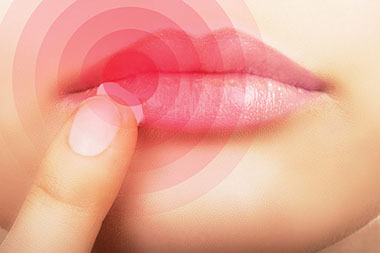
    Close up image of cold sore.

    Cold sores – those bothersome blisters that appear around the mouth – can be painful and embarrassing. Cold sores are spread by a virus, but not the cold virus.

    Cold sores happen when a person gets infected with the herpes simplex virus (HSV). This is why cold sores may also be called “oral herpes.” HSV is very contagious. It can be easily spread person to person by:

    *  Sharing drinks or utensils

    *  Kissing

    *  Touching a cold sore or infected person’s face, and then touching your face

    *  Touching an infected person’s face and then touching someone else (this is how many babies get HSV)

    *  Sharing personal items like razors or towels

    *  Intimate or sexual contact

    *  Touching the same object that was touched by a person with a cold sore.

    The type of HSV that causes cold sores is usually HSV  type 1. Another type of HSV,  known as HSV type 2, is most often spread through sexual contact. HSV type 2 is the virus that usually causes genital herpes. But, either type of  HSV can cause cold sores or genital herpes.

    What triggers cold sores?

    Once you get HSV, there is no cure. It stays in the body forever and it may cause repeated outbreaks of cold sores. Certain things may trigger a cold sore outbreak. Things that bring down the body’s defenses may allow the virus to become active and produce a cold sore again. Many people get cold sores due to:

    *  Stress

    *  Hormone changes such as menstruation or pregnancy

    *  Illnesses, like the flu or a cold

    *  Sun exposure

    *  Certain foods

    Don’t spread cold sores!

    Even if you stay healthy and avoid stress, there is no way to prevent all cold sore outbreaks. So, it’s best to try and avoid spreading cold sores and HSV to others.

    The best way to avoid spreading cold sores is to wash your hands frequently and avoid contact that could spread the sore. If you feel a cold sore coming on, don’t share drinks and other items listed in this article. Avoid touching your mouth and don’t touch people’s faces or kiss people, especially babies, children and people with weakened immune systems.

    Treating cold sores

    If you get cold sores frequently, ask your doctor about medicines that can help. Some antiviral medicines can reduce the number of outbreaks. They also help lower the chance of spreading HSV to others.

    Some over-the-counter medicines can also help speed up the healing time of a sore, but they won’t prevent outbreaks or stop the spread of HSV. Ask your doctor if one of these treatments might work for you.

    Sources: American Academy of Pediatrics, Centers for Disease Control and Prevention, National Institutes of Health

    © American Institute for Preventive Medicine