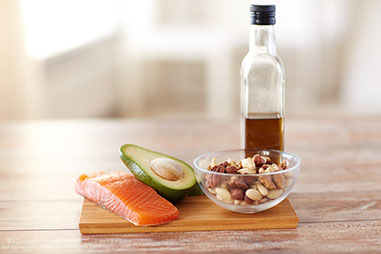
Tag: omega-3

  • Mood-Boosting Foods

    HEALTHY EATING

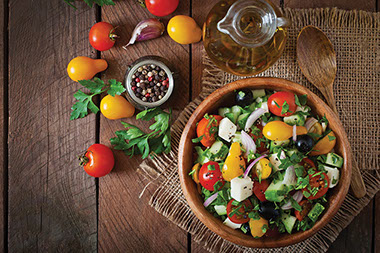
    Fresh salad bowl.

    A healthy diet can have an effect on your brain. It can actually make you feel happy.

    Eat plenty of foods with omega-3 fats. These heart-healthy fats are found in fish, flaxseeds and walnuts, and may help reduce the risk of developing depression.

    Focus on the Mediterranean Diet. This diet includes lots of plant-based foods like fruits and vegetables, as well as olive oil, whole grains, fish, poultry, eggs and beans.

    Source: American Heart Association

    © American Institute for Preventive Medicine

  • Omega-3 Has Mega Benefits

    HEALTHY EATING

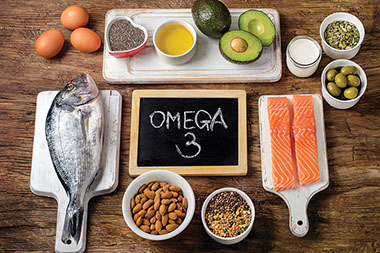
    A variety of food that contains Omega-3.

    Fatty fish like salmon have high amounts of omega-3 fats. And these fats are so healthy that they can lower the risk of stroke.

    The American Heart Association says these fats can also lower the risk of heart rhythm problems. They can also lower triglyceride levels.

    Omega-3s can help prevent the clogging of arteries. Eating two servings of salmon each week can help you get enough omega-3s in your diet.

    © American Institute for Preventive Medicine

  • Food For The Brain

    HEALTHY EATING

    Women in kitchen with fresh food on counter.

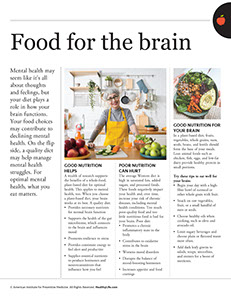
    Mental health may seem like it’s all about thoughts and feelings, but your diet plays a role in how your brain functions. Your food choices may contribute to declining mental health. On the flip side, a quality diet may help manage mental health struggles. For optimal mental health, what you eat matters.

    Good nutrition helps

    A wealth of research supports the benefits of a whole-food, plant-based diet for optimal health. This applies to mental health, too. When you choose a plant-based diet, your brain works at its best. A quality diet:

    *  Provides necessary nutrients for normal brain function

    *  Supports the health of the gut microbiome, which connects to the brain and influences mood

    *  Promotes resilience to stress

    *  Provides consistent energy to feel alert and productive

    *  Supplies essential nutrients to produce hormones and neurotransmitters that influence how you feel

    Poor nutrition can hurt

    The average Western diet is high in saturated fats, added sugars, and processed foods. These foods negatively impact your health and, over time, increase your risk of chronic diseases, including mental health conditions. Too much poor-quality food and too little nutritious food is bad for your brain. Poor diet:

    *  Promotes a chronic inflammatory state in the body

    *  Contributes to oxidative stress in the brain

    *  Worsens mood disorders

    *  Disrupts the balance of mood-boosting hormones

    *  Increases appetite and food cravings

    Good nutrition for your brain

    In a plant-based diet, fruits, vegetables, whole grains, nuts, seeds, beans, and lentils should form the base of your meals. Lean animal foods such as chicken, fish, eggs, and low-fat dairy provide healthy protein in small portions.

    Try these tips to eat well for your brain:

    *  Begin your day with a high-fiber bowl of oatmeal or other whole grain with fruit.

    *  Snack on raw vegetables, fruit, or a small handful of nuts or seeds.

    *  Choose healthy oils when cooking, such as olive and avocado oil.

    *  Limit sugary beverages and choose plain or flavored water most often.

    *  Add dark leafy greens to salads, soups, smoothies, and entrees for a boost of nutrients.
    © American Institute for Preventive Medicine

  • 5 Reasons You Need Fat In Your Diet

    HEALTHY EATING

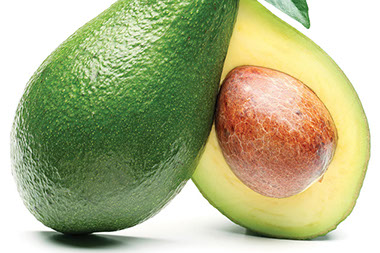
    Image of avocado.

    Energy:

    Fat provides a highly concentrated form of energy. One gram of fat gives you 9 calories of energy, which is over twice that provided by carbohydrates or protein.

    Organs need a cushion:

    A cushion of fat helps protect organs from injury and holds them in place.

    Cell structure:

    Whether it is hair, skin, or eyes, fats make up part of the membrane that surrounds each cell of the body, and without them the rest of the cell can’t function.

    Immune function:

    Without good fats in our diet, immune function becomes partially impaired and our bodies are susceptible to foreign invaders such as bacterial and viral infections.

    Nutrient transport:

    Vitamins A, D, E, and K are fat-soluble vitamins and need fat to help the body transport, store, and absorb them.

    © American Institute for Preventive Medicine

  • The Best Foods To Help You Focus

    HEALTHY EATING

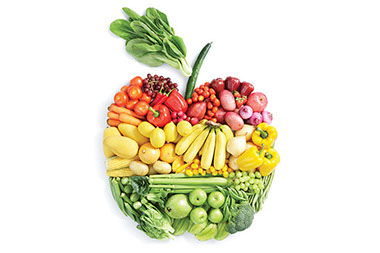
    Image of different vegetables shaped into an apple.

    You know the right foods are good for your body, but did you know they can help your brain too? Many foods can actually improve brain function, according to the Academy of Nutrition and Dietetics:

    *Vegetables.All vegetables can benefit the brain, but certain vegetables seem to be especially helpful. Cruciferous vegetables like broccoli, cabbage or cauliflower boost brain power. Dark leafy greens, such as spinach, kale, mustard greens and dark lettuce, also improve concentration and memory.

    *Dark-colored berries.Blackberries, blueberries and cherries have nutrients that your brain needs for optimal function. Fresh or frozen are great options. If you choose dried fruits, read the label and avoid any with added sugar.

    *Omega-3 fatty acids.Fatty fish, such as salmon, bluefin tuna, sardines and herring contain high amounts of omega-3 fatty acids. Vegetarian sources include flaxseeds, chia seeds and walnuts.

    In addition, these foods are also great for your heart and overall health. Try working them into your daily diet for maximum brain benefit and a healthier you.

    © American Institute for Preventive Medicine

  • What Are Healthy Fats?

    HEALTHY EATING

    Image of healthy fats.

    Low-fat diets and low-fat foods have been around for years. But should we really be avoiding fat for better health?

    The answer isn’t simple. Although quantity of fat does matter, quality is also very important. Your body needs some fat to function and stay healthy. So, eating the right kinds of fats can have health benefits.

    The different kinds of fats

    The American Heart Association recommends no more than 35 percent of your total calories from fats. And most, if not all, should be from healthy sources.

    *Saturated fatcomes mostly from animal products, such as meat and full-fat dairy. Saturated fat may raise cholesterol. So limit it to 6 percent of your total daily calories.

    *Trans fatsare found in some processed foods. If the ingredients list partially hydrogenated oil, the food contains trans fats. These fats raise “bad” LDL cholesterol and lower your “good” HDL cholesterol. Avoid trans fats as often as possible.

    *Monounsaturated and polyunsaturated fatsare healthy fats that can improve cholesterol and decrease the risk of heart disease. They should be used in place of saturated fats and trans fats.

    What to eat for healthy fats

    These foods contain healthy fats. But, stay within your calorie limits to avoid weight gain.

    Omega-3 is a polyunsaturated fat that is considered heart healthy. Good sources of omega-3 include:

    *  Fatty fish, such as salmon, albacore tuna and sardines – Enjoy fish up to twice per week.

    *  Canola oil – Use canola in place of butter, margarine or other cooking oils.

    *  Eggs – Some companies feed their chickens a diet high in omega-3s, which leads to more of this fat in the eggs. Check for omega-3 content on the label.

    *  Walnuts – Try walnuts in breads and on salads.

    *  Flaxseeds – Look for ground (not whole) flaxseeds and add them to cereal, yogurt and smoothies.

    Monounsaturated fats can be a healthy addition to your diet, especially if you eliminate saturated and trans fats. Foods that have monounsaturated fats include:

    *  Nuts – Because nuts are high in calories, keep portion sizes small. Love peanut butter? Avoid those with added sugar, salt or hydrogenated oil.

    *  Avocados – Use them in dips, smoothies, salads, sandwiches and pasta.

    *  Olive oil – Use it in salad dressings and stir frys and as a dip for whole grain bread.

    Food labels will tell you what the saturated and trans fat content is, so check this before you buy.

    Sources: American Heart Association, Academy of Nutrition and Dietetics

    © American Institute for Preventive Medicine