Tag: optometrist

  • Prevent Vision Loss

    SELF-CARE CORNER

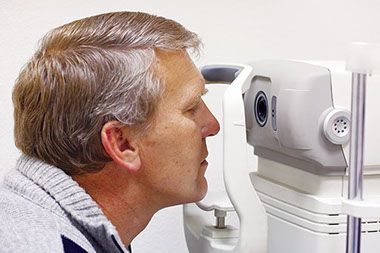
    Image of older man getting an eye exam.

    Glaucoma is a leading cause of irreversible blindness. When glaucoma is treated in its early stages, vision loss can be prevented. Yet studies show that more than half of people with glaucoma don’t use their medications properly.

    The American Academy of Ophthalmology offers this advice:

    *Be honest with your eye doctor about your medication difficulties.Missed a dose? It may not seem to matter much, but research shows that skipping doses can cause your glaucoma to become more severe. Ask about the best way to make up for a missed dose and how to manage your medications.

    *Use memory aids.The most common reason for not taking eye drops is forgetfulness. Try simple memory aids like linking your eye drop schedule to other things you do routinely such as brushing your teeth. Mark times you take your medication on a calendar. Set an alarm on your smartphone.

    *Perfect the “pocket.”Giving yourself eye drops can be challenging. In fact, research has shown that nearly 30% of people taking glaucoma medication are not properly applying their eye drops. Gently pull and pinch the lower lid to make a pocket to catch your drops. Once the drops are in, close your eyes (do not blink) and apply pressure to the point where the lids meet the nose for 2 to 3 minutes. Maybe a loved one can help you apply the drops at home.

    Who’s at risk for developing glaucoma?

    Risk factors include age, family history of glaucoma, African-American and Hispanic-American ancestry, diabetes, and past eye injuries. The American Academy of Ophthalmology recommends that all people get an eye exam by age 40, especially those who have a higher risk of glaucoma.

    © American Institute for Preventive Medicine
  • The Importance Of Proper Eye Care

    SELF-CARE CORNER

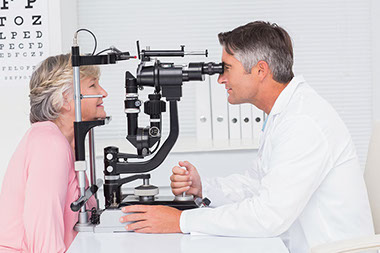
    Image of older women getting her eyes check by an eye doctor.

    Many people don’t think about their eyes until they start to hurt or develop a problem. But even if your eyes feel fine, they need proper care to keep them healthy. Follow the advice of the National Eye Institute:

    Get regular eye exams.

    Your doctor can recommend a schedule for you, depending on your age and other health factors. Many common eye diseases, such as glaucoma, diabetic eye disease and age-related macular degeneration, don’t have obvious symptoms. An eye exam can find these problems early, when they’re most treatable.

    Eat a healthy diet.

    Your eyes benefit from a diet rich in fruits, vegetables and omega-3 fatty acids. Talk with your doctor about the right diet for you.

    Keep them shaded.

    Wear sunglasses that have at least 99 percent UVA and UVB protection when you’re outside.

    Don’t smoke.

    Smoking hurts your health in many ways, including your sight. It increases your risk of eye problems that can lead to blindness. It’s never too late to quit. For free resources to help you quit, visitsmokefree.gov.

    Protect your eyes.

    Cover your face and eyes with goggles or a full-face mask when playing sports or doing work. Wear safety goggles when working with power tools and sharp objects. Follow your employer’s guidelines for wearing eye protection. Encourage your coworkers to do the same.

    Know your family history.

    If there are eye problems in your family, tell your doctor.

    © American Institute for Preventive Medicine