Tag: outbreak

  • What You Need To Know About Measles

    MEDICAL NEWS

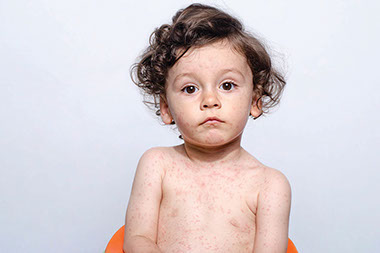
    Young child with measles.

    In 2019, the U.S. has seen the biggest measles outbreak since 1994. Measles was declared eliminated in the year 2000, but in recent years measles has come back.

    This outbreak is due to two main factors:

    1.  Many people travel abroad. They may travel to a place where measles is common. They catch measles there and bring it back to the U.S. with them. They may not even know they have measles until several days after they return.

    2.  Some people in the U.S. do not get the measles vaccine. If they are exposed, they get sick and can spread measles to others.

    Dangerously easy to catch

    Measles is highly contagious. It spreads through the air. An infected person can simply breathe and spread measles. It can also be spread through coughing and sneezing.

    You don’t even have to be near a person with measles to catch it from them. Measles stays in the air for a long time. In fact, you could go into a room two hours after an infected person has left and still catch measles.

    Many times, people spread measles before they even know they have it.

    Almost everyone who hasn’t gotten the measles vaccine will catch measles if they are exposed.

    Know the signs

    *  Very high fever (this usually comes first)

    *  Cough, runny nose and red eyes

    *  Diarrhea

    *  Ear infection

    *  Rash of tiny red spots, usually starting at the head and spreading all over

    Serious complications

    Serious problems can happen to a person who catches measles, especially babies and young children. This includes:

    *  Pneumonia (a serious lung infection)

    *  Brain swelling (encephalitis)

    *  Permanent brain damage

    *  Deafness

    *  Death

    Get the shot

    The best way to avoid getting measles is to get the measles vaccine. This can also keep you from spreading it to babies who are too young to get the shot.

    Two doses of the MMR (measles, mumps, rubella) shot are 97 percent effective in preventing measles. Children should get the first dose at 12 to 15 months of age. They get the second dose at 4 to 6 years of age.

    Some adults have not received the MMR shot. Even adults who have received it may need a booster shot. Your doctor can perform a simple blood test to see if you are immune to measles.

    Ask your doctor if you need the measles vaccine or if you should have the blood test done. The MMR vaccine is very safe and it works. Most health insurance covers the cost of the vaccine. If you have any concerns, discuss them with your doctor.

    Sources: American Medical Association, Centers for Disease Control and Prevention

    © American Institute for Preventive Medicine
  • Ebola Facts

    MEDICAL NEWS

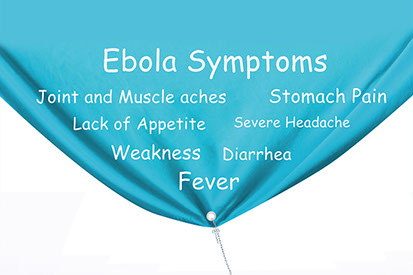
    Illustration of ebola symptoms.

    Although the risk of Ebola spreading in the U.S. is low, the CDC offers this information about a scary disease. A person infected with Ebola-a disease outbreak in countries in West Africa and isolated cases in the U.S.-can’t spread the disease until symptoms appear.

    The time from exposure to when signs or symptoms of the disease appear (called the incubation period) is 2 to 21 days, but the average time is 8 to 10 days. Signs of Ebola include fever (higher than 101.5ºF) and severe headache, muscle pain, vomiting, diarrhea, stomach pain, or unexplained bleeding or bruising.

    Ebola is spread through direct contact with blood and body fluids.

    Ebola is spread through direct contact (through broken skin or through your eyes, nose, or mouth) with:

    *  Blood and body fluids (like urine, feces, saliva, vomit, sweat, and semen) of a person who is sick with Ebola.

    *  Objects (such as needles) that have been contaminated with the blood or body fluids of a person sick with Ebola.

    There is no FDA-approved vaccine available for Ebola. Experimental vaccines and treatments are under development. You can protect yourself against Ebola.

    *  DO wash your hands often with soap and water or use an alcohol-based hand sanitizer.

    *  Do NOT touch the blood or body fluids of people who are sick.

    *  Do NOT handle items that may have come in contact with a sick person’s blood or body fluids, such as clothing, bedding, needles, or medical equipment.

    *  Do NOT touch the body of someone who has died of Ebola.

    Ebola is NOT spread through the air, water, or food.

    If you have traveled to an area with an Ebola outbreak or had close contact with a person sick with Ebola, you may be at risk.

    © American Institute for Preventive Medicine

  • Give Cold Sores The Cold Shoulder

    SELF-CARE CORNER

    Close up image of cold sore.

    Cold sores – those bothersome blisters that appear around the mouth – can be painful and embarrassing. Cold sores are spread by a virus, but not the cold virus.

    Cold sores happen when a person gets infected with the herpes simplex virus (HSV). This is why cold sores may also be called “oral herpes.” HSV is very contagious. It can be easily spread person to person by:

    *  Sharing drinks or utensils

    *  Kissing

    *  Touching a cold sore or infected person’s face, and then touching your face

    *  Touching an infected person’s face and then touching someone else (this is how many babies get HSV)

    *  Sharing personal items like razors or towels

    *  Intimate or sexual contact

    *  Touching the same object that was touched by a person with a cold sore.

    The type of HSV that causes cold sores is usually HSV  type 1. Another type of HSV,  known as HSV type 2, is most often spread through sexual contact. HSV type 2 is the virus that usually causes genital herpes. But, either type of  HSV can cause cold sores or genital herpes.

    What triggers cold sores?

    Once you get HSV, there is no cure. It stays in the body forever and it may cause repeated outbreaks of cold sores. Certain things may trigger a cold sore outbreak. Things that bring down the body’s defenses may allow the virus to become active and produce a cold sore again. Many people get cold sores due to:

    *  Stress

    *  Hormone changes such as menstruation or pregnancy

    *  Illnesses, like the flu or a cold

    *  Sun exposure

    *  Certain foods

    Don’t spread cold sores!

    Even if you stay healthy and avoid stress, there is no way to prevent all cold sore outbreaks. So, it’s best to try and avoid spreading cold sores and HSV to others.

    The best way to avoid spreading cold sores is to wash your hands frequently and avoid contact that could spread the sore. If you feel a cold sore coming on, don’t share drinks and other items listed in this article. Avoid touching your mouth and don’t touch people’s faces or kiss people, especially babies, children and people with weakened immune systems.

    Treating cold sores

    If you get cold sores frequently, ask your doctor about medicines that can help. Some antiviral medicines can reduce the number of outbreaks. They also help lower the chance of spreading HSV to others.

    Some over-the-counter medicines can also help speed up the healing time of a sore, but they won’t prevent outbreaks or stop the spread of HSV. Ask your doctor if one of these treatments might work for you.

    Sources: American Academy of Pediatrics, Centers for Disease Control and Prevention, National Institutes of Health

    © American Institute for Preventive Medicine