Tag: outdoors

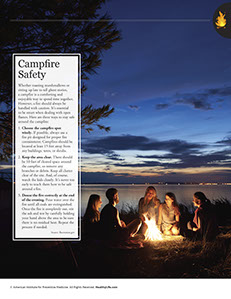
  • Campfire Safety

    WELL-BEING

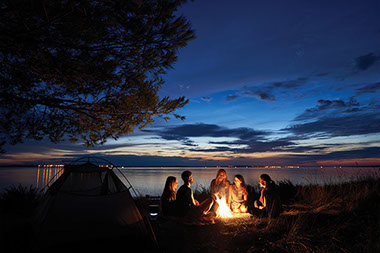
    Group of people sitting around a campfire and tent.

    Whether roasting marshmallows or sitting up late to tell ghost stories, a campfire is a comforting and enjoyable way to spend time together. However, a fire should always be handled with caution. It’s essential to be smart when dealing with open flames. Here are three ways to stay safe around the campfire:

    1.Choose the campfire spot wisely.If possible, always use a fire pit designed for proper fire containment. Campfires should be located at least 15 feet away from any buildings, tents, or shrubs.

    2.Keep the area clear.There should be 10 feet of cleared space around the campfire, so remove any branches or debris. Keep all clutter clear of the site. And, of course, watch the kids closely. It’s never too early to teach them how to be safe around a fire.

    3.Douse the fire correctly at the end of the evening.Pour water over the fire until all coals are extinguished. Once the fire is completely out, stir the ash and test by carefully holding your hand above the area to be sure there is no residual heat. Repeat the process if needed.

    Source: Recreation.gov
    © American Institute for Preventive Medicine

  • Rucking For Beginners

    BE FIT

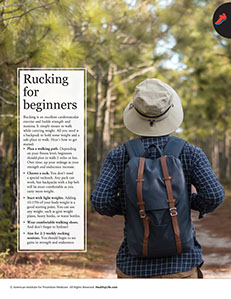
    Rucking is an excellent cardiovascular exercise and builds strength and stamina. It simply means to walk while carrying weight. All you need is a backpack to hold some weight and a safe place to walk. Here’s how to get started:

    *  Plan a walking path. Depending on your fitness level, beginners should plan to walk 2 miles or less. Over time, up your mileage as your strength and endurance increase.

    *  Choose a sack. You don’t need a special rucksack. Any pack can work, but backpacks with a hip belt will be most comfortable as you carry more weight.

    *  Start with light weights. Adding 10-15% of your body weight is a good starting point. You can use any weight, such as gym weight plates, heavy books, or water bottles.

    *  Wear comfortable walking shoes. And don’t forget to hydrate!

    *  Aim for 2-3 weekly rucking sessions. You should begin to see gains in strength and endurance.

    © American Institute for Preventive Medicine
  • Walk For Well-Being

    Fitness

    Mother and daughter walking.

    You already know that walking and other physical activities help prevent and manage arthritis, diabetes, heart disease, and high blood pressure. Get these benefits from walking, too:

    *  Relieve tension and stress.

    *  Get more energy.

    *  Improve balance and lower the risk for falling.

    *  Get better sleep.

    *  Boost you overall mood.

    Walking briskly at 3 miles per hour is a great way for adults to get 150 minutes of moderate-intensity physical activity a week (30 minutes a day). Children need 60 minutes of physical activity a day.

    *  Plan walking into your daily / weekly schedules. Split 30 minutes into two 15-minute or three 10-minute sessions.

    *  Wear a good pair of walking shoes that fit well and absorb shock. Look straight ahead when you walk.

    *  Don’t make the excuse that you have no time to exercise.

    *  Don’t text while you are walking. Don’t listen to music if it hinders hearing sounds around you.

    Page from HealthyLife Weigh book by the American Institute for Preventive Medicine. www.HealthyLife.com. All rights reserved.

    © American Institute for Preventive Medicine

  • Getting Active As A Family

    FAMILY LIFE

    Image of family jogging.

    One of the best ways to prevent weight problems in children is to make exercise and activity a family event. Not only can parents set a good example, but it helps everyone get healthier while bonding and having fun together. The U.S. Department of Health and Human Services offers some tips:

    *  Find some free time. Being active together just twice a week can have health and emotional benefits. Try to find some 30-minute time slots and put your activity time on the calendar.

    *  Don’t make too many changes at once. To get everyone on board, start gradually and be sure to celebrate each time you make a healthy change.

    *  Ask for the kids’ ideas. Ask your kids about where they’d like to walk or bike. Talk to them about sports or activities they want to try.

    Remember, any time you make a change toward more activity and less screen time, you’re helping everyone in your family lead a healthier life.

    © American Institute for Preventive Medicine

  • Quit Bugging Me

    WELL-BEING

    Image of insect repellant.

    As you enjoy the great outdoors, you may not see a bear, but you might encounter biting and stinging critters such as ticks, mosquitoes, and other insects.

    Bring along your own make-at-home first aid kit that includes assorted bandages and basic medicines such as a 1 percent hydrocortisone anti-itch cream, suggests Dr. Janyce Sanford, an ER doctor at the University of Alabama at Birmingham.

    Use insect repellant with DEET. Include tweezers to remove ticks (the best way is to pull straight up in an easy motion). And if anyone is sensitive to bee or wasp stings, carry an epinephrine auto-injector (EpiPen) when camping or hiking.

    Find out who in your party knows CPR before you might need it. Carry emergency supplies of food and light, and make sure you practice common sense.

    © American Institute for Preventive Medicine

  • Run For Your Life

    BE FIT

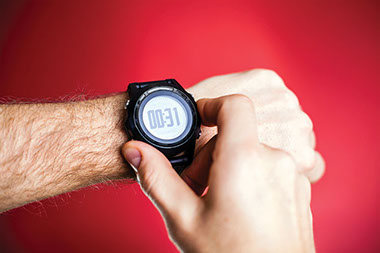
    Image of man's wrist with stop watch on.

    Vigorous exercise is good for your health, but too much can do more harm than good to your heart.

    Limit your exercise to a maximum daily dose of between 30 and 50 minutes, say researchers in an editorial published in Heart.

    The idea that more and more high-intensity exercise, such as marathons, can only do you good is a myth, say the cardiologists from St. Luke’s Mid America Heart Institute in Kansas City.

    Routine moderate physical activity will add years to your life and life to your years, but running too far, too fast, for too many years may speed your race to the finish line of life, they said.

    If you must train for a marathon, do just one or a few and then cut back to a safer, healthier exercise pattern.

    © American Institute for Preventive Medicine

  • Summer With Less Screens

    FAMILY LIFE

    Image of grandparents playing basketball with grandkids.

    When the kids are home from school for the summer, it can be hard to avoid technology. Kids (and adults) are used to constant entertainment from the television, computer, smartphones and tablets. But, reducing screen time can have many benefits for families:

    *  Boredom is a great way for kids to learn to be creative. If they’re always entertained by a screen, kids don’t have a chance to be bored and to learn how to entertain themselves.

    *  Sitting in front of a screen means time not spent getting exercise.

    *  Some studies suggest that too much screen time can lead to behavior problems, lack of good thinking skills, and sleep problems.

    It’s not always realistic to avoid screens completely. If you can’t, look for ways to limit screen time. Try these tips:

    *  Choose certain times of day to be screen-free. For instance, you can choose to let kids have 30 minutes of screens after lunch, but morning is for screen-free play.

    *  Watch the clock. Decide on a daily limit of screen time, such as two hours, and stick with it. Consistent rules help kids know what they can expect each day, so there is less complaining.

    *  Visit the library. If you can get kids to read books they like, they won’t miss screens as much.

    *  When you do watch TV, watch shows together as a family. Choose educational shows when possible.

    Have a plan

    A family media plan can help you stay on track with screen time. Create yours atwww.healthychildren.org/English/media.

    © American Institute for Preventive Medicine