SELF-CARE CORNER
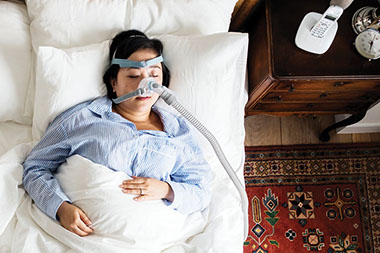
Occasional snoring is often harmless. It may happen when a person has a stuffy nose or is lying on their back. But if you snore every night, talk with a doctor. Long-term snoring can lead to health problems.
Sleep suffers
Snoring can make you wake up many times during the night. You probably won’t remember these awakenings. They interfere with your body’s ability to get good, sound sleep.
Without quality sleep, you may feel tired nearly every day. This can lead to problems at work, school or home. In severe cases, it can lead to dangers like car collisions if you fall asleep at the wheel.
Obstructive sleep apnea
Sometimes snoring is a sign of a health problem called obstructive sleep apnea (OSA). Signs of OSA include:
* Loud snoring that happens nearly every night
* Pauses in breathing during sleep (this can happen hundreds of times per night)
* Choking or gasping for air during the night
* Feeling very tired even after a full night’s sleep
* Trouble concentrating or being irritable
* Waking up with a headache
OSA can also cause heart problems because it can increase a person’s risk of high blood pressure, stroke or heart disease. It can also cause an irregular heartbeat, known as an arrhythmia.
How to fix snoring
There are many ways to reduce or eliminate snoring. First, see a doctor to get checked for any health problems. Your doctor may recommend:
* If you smoke, quit. Smoking can make snoring worse and leads to other serious health problems.
* Limit or avoid alcohol. Don’t drink alcohol close to bedtime. Alcohol relaxes throat muscles and can cause more snoring and pauses in breathing.
* Work toward a healthy weight if you are overweight. Being overweight often makes snoring worse.
If these measures don’t help, ask your doctor about other options. Certain devices and surgery can help some people quit snoring.
Relationship problems
Snoring can cause social problems too. Some people find that their marriage or domestic partnership suffers. Partners may not be able to sleep in the same room because of the noise.
Sources: American Academy of Otolaryngology – Head and Neck Surgery
© American Institute for Preventive Medicine